Problem Electron Motion in Electromagnetic Field
TL;DR
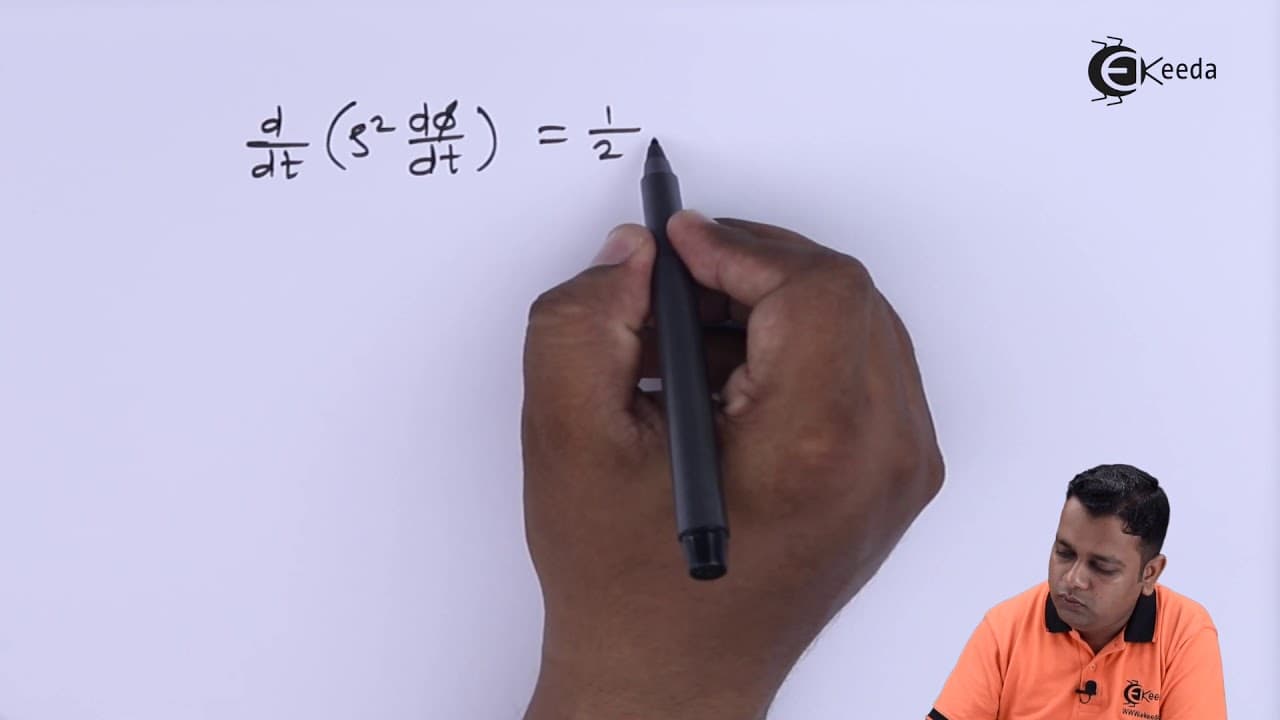
This video explains the principles of electron motion in microwave tubes and solves a problem related to the electron's path between the cathode and the anode terminals.
Transcript
click the bell icon to get latest videos from akira hello friends welcome to this video where we are going to solve a problem based on to the concepts the formulations of motion of electron in the presence of electric field magnetic field and electromagnetic field that we have covered in the last three videos up till now in this chapter microwave f... Read More
Key Insights
- 🧡 Microwave frequencies range from 1 GHz to 300 GHz and are used in various applications.
- ⚾ Microwave tubes operate based on the principles of velocity modulation of electrons.
- 🏑 The motion of electrons in the presence of electric and magnetic fields can be controlled to graze the anode.
- 💇 The cut-off potential voltage and cut-off magnetic flux density determine the conditions for grazing the anode.
Install to Summarize YouTube Videos and Get Transcripts
Explore YouTube Video Summarizer or Get YouTube Transcript Extractor
Questions & Answers
Q: What is the frequency range of microwaves?
Microwaves have a frequency range from 1 gigahertz to 300 gigahertz.
Q: What is the purpose of adjusting the applied voltage and magnetic flux?
By adjusting these parameters, we can control the electron's motion to ensure it grazes the anode without directly hitting it.
Q: How is the electric field directed between the anode and cathode terminals?
The electric field is directed from the positive anode terminal to the negative cathode terminal.
Q: What are the equations of motion for the electron in the presence of electromagnetic fields?
The equations involve acceleration, velocity, and position components in cylindrical coordinates, taking into account the electric and magnetic fields.
Q: How can the electron's motion be adjusted to graze the anode?
By substituting the values of the applied voltage and magnetic flux into the equations of motion, we can find the conditions for the electron to graze the anode.
Q: What is the cut-off potential voltage?
The cut-off potential voltage is the maximum potential that can be applied between the anode and cathode terminals to ensure the electron only grazes the anode.
Q: What is the cut-off magnetic flux density?
The cut-off magnetic flux density is the minimum magnetic flux required to adjust the electron's motion so that it grazes the anode.
Q: How can the cut-off conditions be satisfied?
The applied voltage should be kept below the cut-off potential voltage, and the magnetic flux density should be greater than the cut-off magnetic flux density.
Summary & Key Takeaways
-
The video introduces the concept of microwave frequencies and microwave devices based on vacuum tube or semiconductor platforms.
-
The problem statement involves an inner cylinder (cathode) and an outer shell (anode) with a DC voltage applied between them and a magnetic flux density present.
-
The goal is to adjust the applied voltage and magnetic flux to ensure that electrons emitted from the cathode only graze the anode without directly hitting it.
Read in Other Languages (beta)
Share This Summary 📚
Summarize YouTube Videos and Get Video Transcripts with 1-Click
Try YouTube Summary with ChatGPT & Claude or YouTube Transcript Generator
Explore More Summaries from Ekeeda 📚


Summarize YouTube Videos and Get Video Transcripts with 1-Click
Try YouTube Summary with ChatGPT & Claude or YouTube Transcript Generator