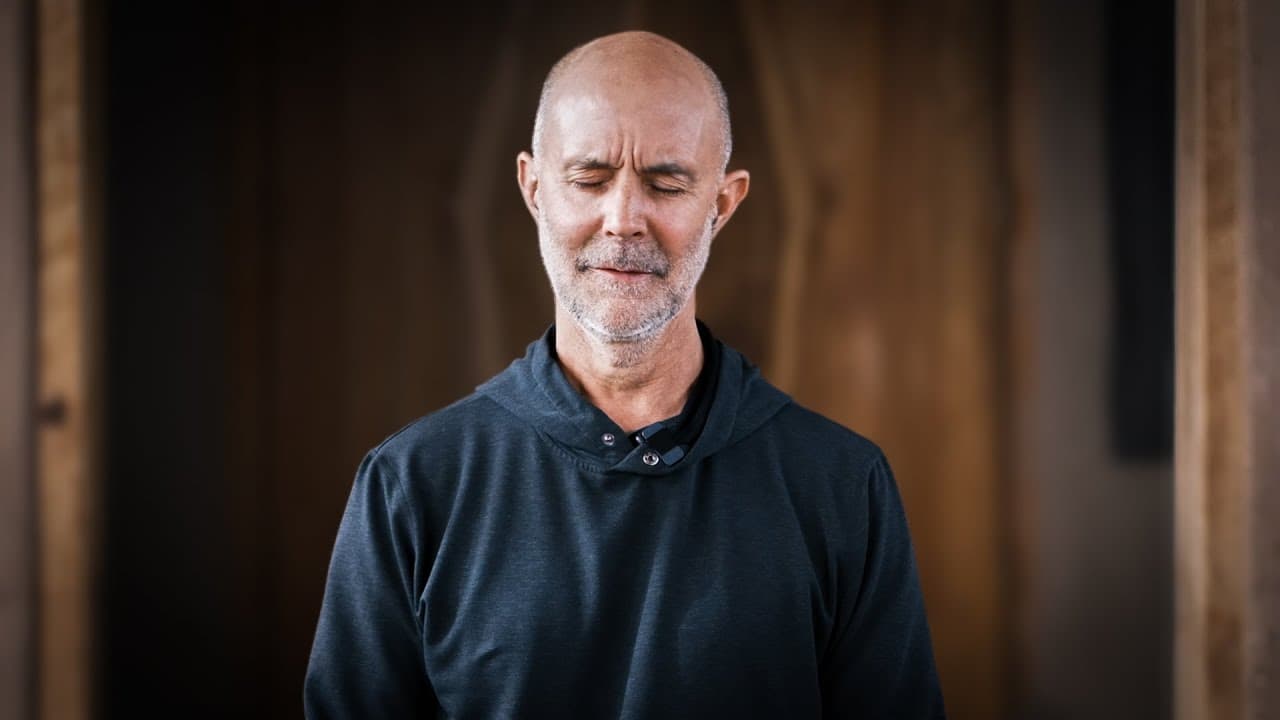
How to Calm Your Inner Storm — Guided Meditation to Tame Restlessness with Zen Master Henry Shukman
TL;DR
Meditation can amplify difficult emotions, but techniques exist to help manage them.
Transcript
welcome back to meditation Monday many of us of course have difficult emotions at times and meditation might seem to exacerbate them sometimes because we're as it were more exposed to them we haven't got distractions other things we can turn to we're just sitting still and doing nothing so if a difficult emotion comes up there's kind of nowhere to ... Read More
Key Insights
- 🤭 Meditation can intensify emotions like restlessness, worry, and regret due to quieting distractions.
- 🫵 Early Buddhism viewed difficult emotions as barriers to meditation but acknowledged them as natural human experiences.
- ❓ Restlessness can be understood as an energy within the body that can be explored rather than avoided.
- 🧘 Comfort in the physical body enhances the ability to remain still and engaged in meditation practices.
- 🤳 Self-acceptance is a crucial aspect of meditation, encouraging individuals to welcome difficult emotions as part of their journey.
- 🧘 Recognizing and vocalizing emotions during meditation promotes processing and understanding of those feelings.
- 🥺 A gentle approach to discomfort can soften one's experience, leading to greater inner peace during meditation.
Install to Summarize YouTube Videos and Get Transcripts
Explore YouTube Video Summarizer or Get YouTube Transcript Extractor
Questions & Answers
Q: Why do difficult emotions often arise during meditation?
Difficult emotions arise during meditation due to the absence of distractions. When one sits in stillness, feelings like worry, regret, and frustration can surface, as there are no external activities to divert attention away from them. This exposure can be intense, highlighting feelings that might otherwise go unnoticed.
Q: What is the significance of acknowledging restlessness in meditation?
Acknowledging restlessness is important because it transforms the experience from one of avoidance to acceptance. By recognizing restlessness as part of the meditation journey, individuals can learn to sit with discomfort, ultimately leading to insights and growth. This practice fosters a deeper connection with one's emotional landscape.
Q: How can one create a comfortable environment for meditation?
Creating a comfortable environment involves ensuring proper physical alignment and softness. Adjusting the body to reduce tension in the shoulders, arms, and legs can help facilitate relaxation. It is essential to mentally leave behind daily responsibilities, allowing a sense of ease to take over and making it easier to enter a meditative state.
Q: What techniques can help manage emotions during meditation?
Techniques such as progressive relaxation and mindfulness can be effective. They involve systematically relaxing different muscle groups while inviting awareness of emotion. By naming emotions such as restlessness and welcoming them, practitioners can create a space to coexist with these feelings instead of resisting or suppressing them.
Summary & Key Takeaways
-
Difficult emotions such as restlessness and frustration are common during meditation, often making it harder to focus. Recognizing these as hindrances can be the first step to improvement.
-
The meditation practice encourages accepting and softening around these emotions instead of avoiding them, fostering self-acceptance and awareness of one’s feelings.
-
The guided meditation focuses on inviting restlessness and other uncomfortable emotions into the experience while maintaining a sense of stillness and comfort in the body.
Read in Other Languages (beta)
Share This Summary 📚
Summarize YouTube Videos and Get Video Transcripts with 1-Click
Try YouTube Summary with ChatGPT & Claude or YouTube Transcript Generator
Explore More Summaries from Tim Ferriss 📚






Summarize YouTube Videos and Get Video Transcripts with 1-Click
Try YouTube Summary with ChatGPT & Claude or YouTube Transcript Generator