What's in the heads of heroes? | 60 Minutes
TL;DR
Stories of ordinary people turned heroes, exploring neuroscience of heroism with impactful outcomes.
Transcript
good evening I'm John wertheim welcome to 60 Minutes presents tonight stories that Inspire we'll meet Ukrainian dancers pursuing their art while in Exile in a teenage skier who flies downhill without the aid of eyesight but we begin with a tale of certified heroes in 1904 180 Americans were trapped by fire in a Pennsylvania Coal Mine two Heroes wen... Read More
Key Insights
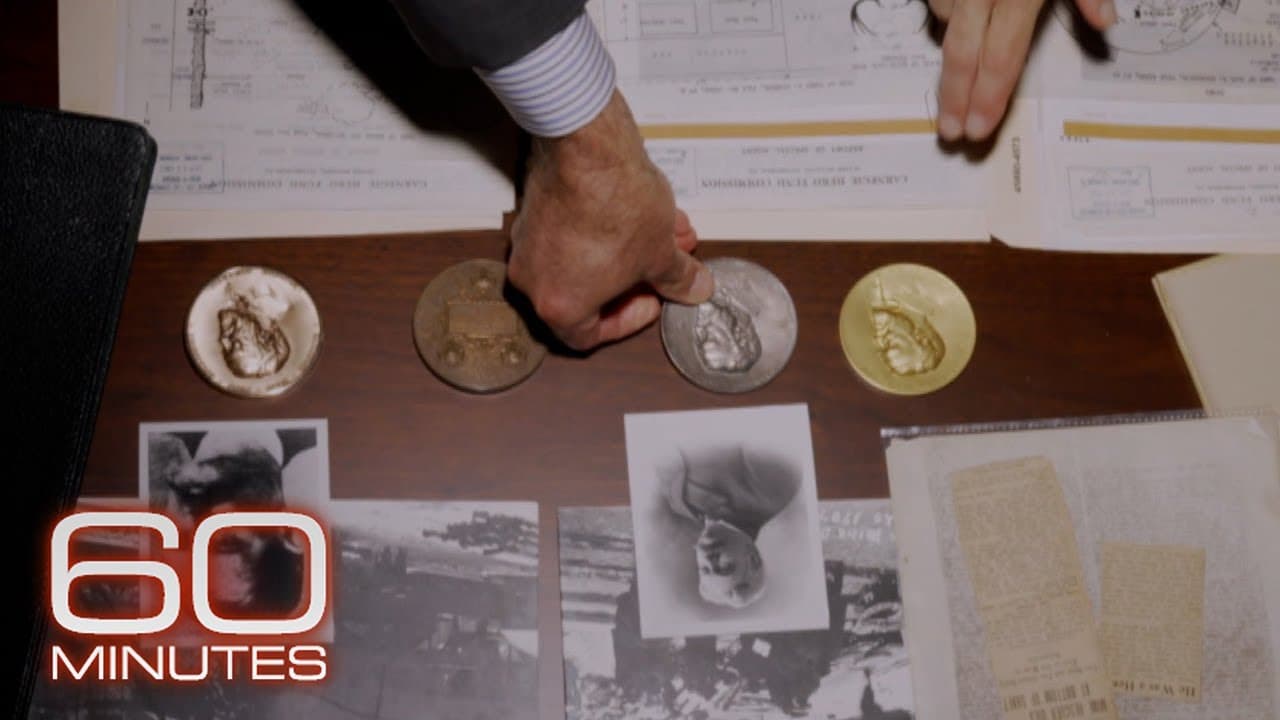
- 🥳 Andrew Carnegie's philanthropy was inspired by heroic acts, leading to the creation of the Carnegie Hero Fund to recognize modern-day heroes.
- ❓ Individuals like Terry Ann Thomas and Pete Panzer exemplify the selflessness and bravery associated with Carnegie Heroes.
- 👨🔬 Neuroscience research indicates that heroes possess enlarged and highly responsive amygdalas, enabling them to respond swiftly and empathetically in crisis situations.
- 💼 The Carnegie Hero Fund Commission meticulously investigates cases to ensure that only the most deserving individuals are recognized for their heroic actions.
- 💨 Heroism can have long-lasting consequences, impacting individuals like David McCartney and Terry Ann Thomas in both positive and challenging ways.
- 💝 The act of heroism is characterized by an impulse, a mysterious gift possessed by a few individuals as witnessed by Carnegie and confirmed by modern science.
- 🦸 Heroes are essential figures in society, embodying qualities of empathy, bravery, and quick action, making them instrumental in saving lives and inspiring others.
Install to Summarize YouTube Videos and Get Transcripts
Explore YouTube Video Summarizer or Get YouTube Transcript Extractor
Questions & Answers
Q: What inspired Andrew Carnegie to recognize heroes with monetary rewards?
In 1904, the heroic acts of rescuers in a coal mine touched Andrew Carnegie, prompting him to donate over $100 million to recognize heroes in the U.S. and Canada.
Q: How does the Carnegie Hero Fund Commission determine who qualifies as a hero?
The commission defines heroes as individuals who willingly and knowingly risk their lives to an extraordinary degree to save or attempt to save others, embodying the essence of heroism.
Q: What is the role of the amygdala in the brains of heroes?
Neuroscience studies show that heroes have larger and more responsive amygdalas, facilitating their ability to empathize with others in distress and act swiftly in dangerous situations.
Q: How does heroism impact individuals like David McCartney and Terry Ann Thomas?
For McCartney, heroism led to personal growth and altruism, while Thomas struggled with the aftermath, experiencing emotional challenges and regrets despite her courageous act.
Summary & Key Takeaways
-
In 1904, two heroes saved Americans trapped in a coal mine, inspiring Andrew Carnegie to recognize heroes with over $100 million.
-
Meet modern-day heroes like Terry Ann Thomas and Pete Panzer, whose selfless acts emulate the Carnegie spirit.
-
Neuroscience reveals that heroes have enlarged and responsive amygdalas, making them more empathetic and quick to act in emergencies.
Read in Other Languages (beta)
Share This Summary 📚
Summarize YouTube Videos and Get Video Transcripts with 1-Click
Try YouTube Summary with ChatGPT & Claude or YouTube Transcript Generator
Explore More Summaries from 60 Minutes 📚




Summarize YouTube Videos and Get Video Transcripts with 1-Click
Try YouTube Summary with ChatGPT & Claude or YouTube Transcript Generator