Is the Australian Economy Doomed?
TL;DR
Australia's economy is prosperous but faces significant structural challenges.
Transcript
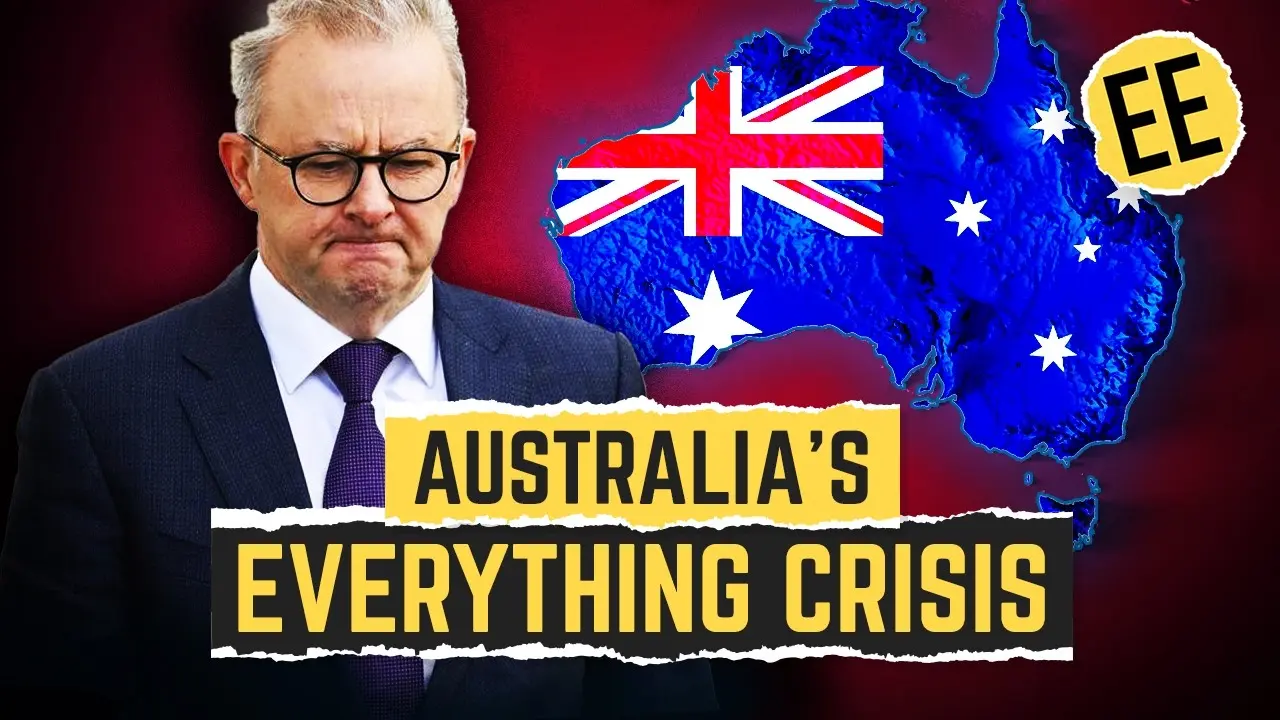
Australia is, in theory, one of the richest countries in the world. Our people enjoy an incredibly high standard of living, world-leading individual wealth metrics, a relatively enviable work-life balance, and good access to amenities like education and healthcare. It's achieved all this while maintaining surprisingly good wealth equality that riva... Read More
Key Insights
- Australia enjoys a high standard of living and good wealth equality, but is heavily reliant on natural resource exports, making it vulnerable to global market fluctuations.
- The country's economic ties are complex, being a close ally of the USA while economically reliant on China for resource exports.
- Australia's housing market is extremely expensive, driven by high demand from immigration and investment incentives, leading to significant household debt.
- Service exports, including tourism and education, play a significant role in Australia's economy, although they are less visible than goods exports.
- The lack of effective taxation on resource extraction has resulted in missed opportunities for redistributing wealth and addressing economic vulnerabilities.
- Australia's wealth equality is relatively strong, but there's a growing intergenerational divide due to housing affordability and tax burdens on younger generations.
- State governments rely heavily on revenue from property transactions, creating a disincentive to address housing affordability issues.
- Despite challenges, Australia has robust institutions and potential policy tools to address economic issues, but political will is required to enact meaningful change.
Install to Summarize YouTube Videos and Get Transcripts
Explore YouTube Video Summarizer or Get YouTube Transcript Extractor
Questions & Answers
Q: What are the main industries that Australia relies on?
Australia's economy heavily relies on natural resource exports, particularly coal and other minerals. These industries have historically driven economic growth, but they also make the country vulnerable to global market fluctuations and environmental concerns. Additionally, service exports like tourism and education play a significant role in the economy.
Q: How does Australia's economic relationship with China and the USA affect its economy?
Australia maintains a complex economic relationship, being a close ally of the USA while heavily reliant on China for resource exports. This dual dependency poses risks as global events unfold, exposing Australia to economic pressures from both countries, which could impact its economic stability and growth.
Q: What factors contribute to Australia's housing market challenges?
Australia's housing market is driven by high demand from immigration and investment incentives, resulting in expensive real estate and significant household debt. Government policies have focused on facilitating home purchases rather than addressing affordability, and state reliance on property transaction revenue further complicates efforts to improve housing accessibility.
Q: In what ways do service exports impact Australia's economy?
Service exports, including tourism and education, are crucial to Australia's economy, contributing significantly to its GDP. These sectors bring foreign income into the country, although they are less visible than goods exports. The education sector, in particular, attracts international students, influencing housing demand and immigration patterns.
Q: What challenges does Australia face in terms of wealth equality?
While Australia boasts relatively strong wealth equality, it faces a growing intergenerational divide. Younger Australians bear a heavier tax burden and struggle with housing affordability compared to older generations who benefited from earlier market conditions. This divide poses risks to social cohesion and economic stability.
Q: How do state governments' reliance on property transaction revenue affect housing policy?
State governments in Australia depend heavily on revenue from property transactions, such as stamp duty, which can account for a significant portion of their budgets. This reliance creates a disincentive to implement policies that would lower property values or reduce transaction volumes, hindering efforts to address housing affordability.
Q: What potential policy tools does Australia have to address its economic challenges?
Australia has robust institutions and various policy tools at its disposal to address economic challenges, such as reforming taxation on resource extraction, improving housing affordability, and diversifying its economy. However, enacting meaningful change requires political will and consensus, which can be challenging to achieve.
Q: Why hasn't Australia effectively addressed its economic vulnerabilities?
Despite having the tools to address economic vulnerabilities, Australia has struggled to implement effective solutions due to political challenges and competing interests. The upcoming election may influence policy directions, but entrenched interests and reliance on existing economic structures complicate efforts to enact substantial reforms.
Summary & Key Takeaways
-
Australia is a wealthy nation with a high standard of living, but its economy is heavily dependent on natural resources, making it vulnerable to global market changes. It faces significant challenges in housing affordability, with high demand driven by immigration and investment incentives leading to substantial household debt.
-
While Australia's service exports, such as tourism and education, contribute significantly to its economy, the lack of effective taxation on resource extraction has led to missed opportunities for wealth redistribution. The country also struggles with intergenerational inequality due to housing affordability and tax burdens on younger generations.
-
State governments' reliance on property transaction revenue creates a disincentive to address housing affordability issues. Despite these challenges, Australia has strong institutions and potential policy tools to address economic vulnerabilities, but political will is necessary for meaningful change.
Read in Other Languages (beta)
Share This Summary 📚
Summarize YouTube Videos and Get Video Transcripts with 1-Click
Try YouTube Summary with ChatGPT & Claude or YouTube Transcript Generator
Explore More Summaries from Economics Explained 📚


Summarize YouTube Videos and Get Video Transcripts with 1-Click
Try YouTube Summary with ChatGPT & Claude or YouTube Transcript Generator