Stanford Seminar - Data Imaginaries
TL;DR
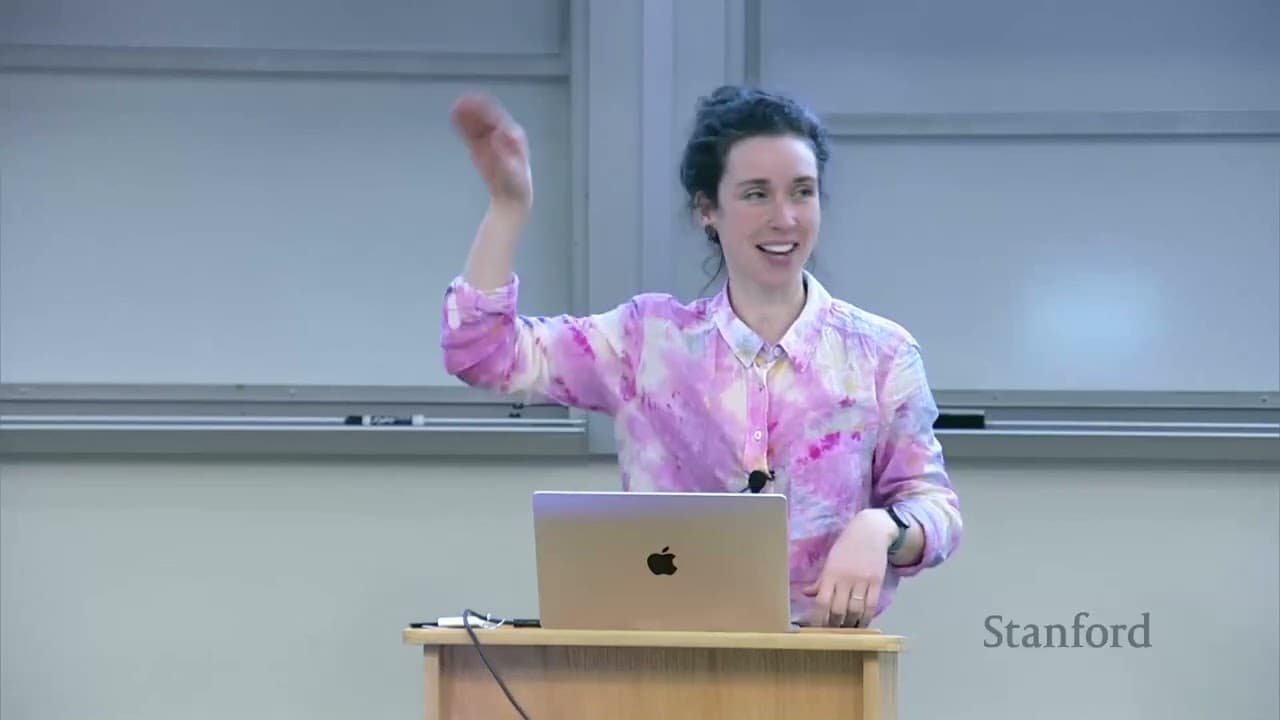
This content examines the value of design research in reimagining data and data representations through various projects and methodologies.
Transcript
thank you for the introduction thank you for inviting me to the seminar and for the warm welcome their lovely conversations I've had this morning already and the plan for the rest of the day so uh I thank you for the intro mostly for kind of maybe making sure everybody was ready for something different uh I love talking to Broad audiences about my ... Read More
Key Insights
- 👻 Design research allows for the exploration and reimagination of data and data representations.
- 🧑🏭 Data materialization is a subjective act that involves making intentional choices about how to represent data.
- ❓ Engagements with data can go beyond productivity and functionality and embrace imagination and creativity.
- 🛟 The projects discussed in the content highlight the interconnectedness of labor, intimacy, everyday life, surveillance capitalism, temporality, and creative potential in relation to iot data.
- 💠 Data materialization not only shapes people's understanding of specific data events, but also shapes their broader view of what data is and what counts as data.
- 👨🔬 Design research encourages a more hands-on and interactive approach to research, allowing for more meaningful and personal experiences with data.
Install to Summarize YouTube Videos and Get Transcripts
Explore YouTube Video Summarizer or Get YouTube Transcript Extractor
Questions & Answers
Q: How does design research differ from traditional research methodologies?
Design research focuses on using design as a mode of inquiry, asking questions and creating interventions to better understand and reimagine various aspects, such as data. It takes a more hands-on and creative approach to research.
Q: What is the purpose of the projects discussed, such as the listening cups and the data epics?
The projects aim to challenge existing notions of data representation and engagement. The listening cups translate sound data into tactile experiences, while the data epics use fiction to explore personal relationships with data and challenge traditional interpretations.
Q: How did participants in the data epics project respond to seeing their data transformed into stories?
Participants had varying responses, including surprise, amusement, and reflection. Some participants felt a strong desire to see themselves represented in the stories, while others found the stories thought-provoking and questioned their relationship with data.
Q: How does the soft fading project challenge the concept of data permanence?
The soft fading project uses a fabric dyed with turmeric that fades over time when exposed to sunlight. It challenges the idea of data permanence by suggesting that data can disappear and be forgotten, raising questions about data retention and the right to be forgotten.
Summary & Key Takeaways
-
The speaker discusses their background in industrial and interaction design and their journey towards using design as a way to interrogate technology and reimagine data.
-
The content explores different projects, such as the listening cups, the data epics, and the soft fading, that aim to cast data in a different light and challenge traditional representations.
-
Through these projects, the speaker highlights the importance of imagination, subjectivity, and the impact of data materialization on people's understanding of data.
Read in Other Languages (beta)
Share This Summary 📚
Summarize YouTube Videos and Get Video Transcripts with 1-Click
Try YouTube Summary with ChatGPT & Claude or YouTube Transcript Generator
Explore More Summaries from Stanford Online 📚



Summarize YouTube Videos and Get Video Transcripts with 1-Click
Try YouTube Summary with ChatGPT & Claude or YouTube Transcript Generator