The harm reduction model of drug addiction treatment | Mark Tyndall
TL;DR
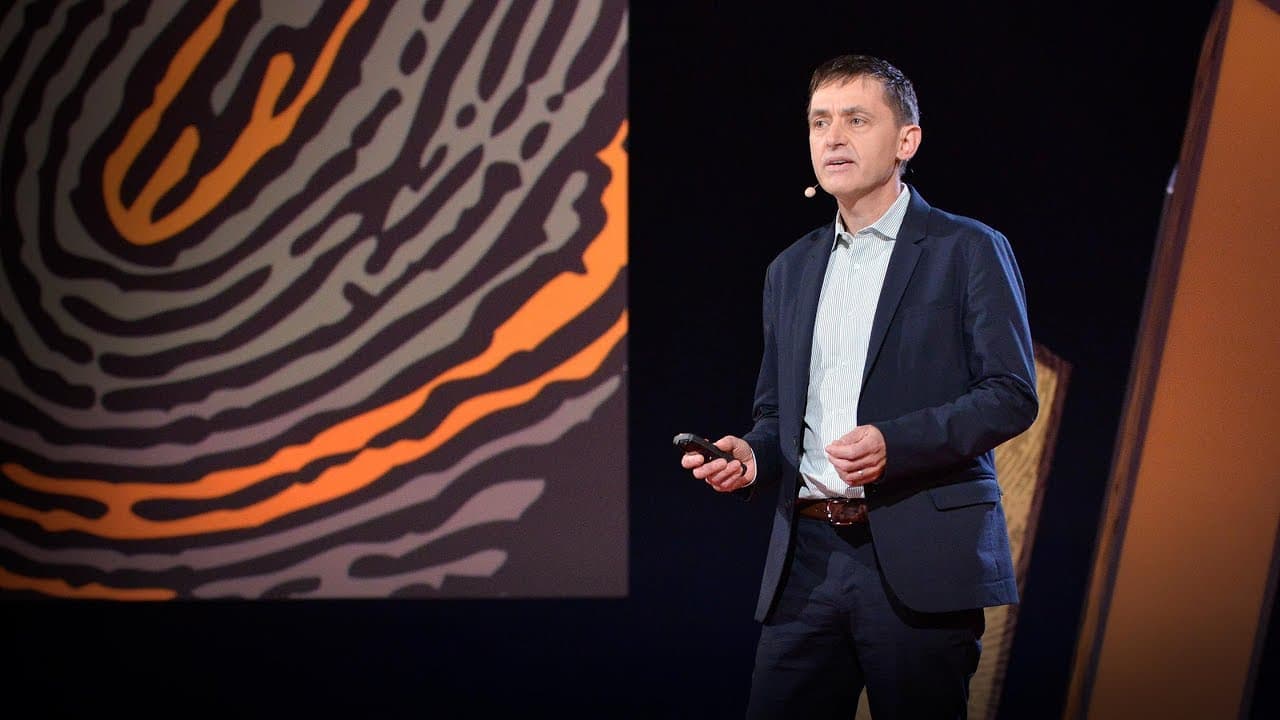
In this thought-provoking and impassioned talk, the speaker discusses the importance of harm reduction programs and the need to shift our approach to drug use from criminalization to public health solutions.
Transcript
I remember the first time that I saw people injecting drugs. I had just arrived in Vancouver to lead a research project in HIV prevention in the infamous Downtown East Side. It was in the lobby of the Portland Hotel, a supportive housing project that gave rooms to the most marginalized people in the city, the so-called "difficult to house." I'll ne... Read More
Key Insights
- 🏥 Harm reduction programs have been effective in reducing harm and improving health outcomes for drug users.
- 🔎 Criminalization of drug use only perpetuates stigma and does not address the root causes of addiction and drug-related issues.
- 💉 Supervised injection sites provide a safe space for drug users to inject and have been shown to prevent deaths from overdoses.
- 🌍 Public health approaches to drug use, such as harm reduction, should be prioritized over law enforcement and punishment.
- ⚖️ Decriminalization of drug possession, as demonstrated by Portugal's approach, can lead to improved health outcomes and decreased drug use.
- 💔 Drug users often have complex backgrounds and trauma that contribute to their substance misuse, and they deserve care and support.
- 💼 Drug use should be treated as a social justice issue, as it disproportionately affects marginalized communities and perpetuates cycles of poverty and incarceration.
- 🏥 Healthcare systems need to provide compassionate and non-judgmental care for drug users, recognizing that addiction is a medical condition that requires appropriate treatment.
Install to Summarize YouTube Videos and Get Transcripts
Explore YouTube Video Summarizer or Get YouTube Transcript Extractor
Questions & Answers
Q: Why is harm reduction still viewed as a radical concept?
Harm reduction is viewed as radical because it challenges the traditional approach of demanding abstinence from drug use. It acknowledges the reality that people will continue to use drugs despite criminal and societal sanctions. Instead of focusing on stopping drug use completely, harm reduction seeks to make drug use safer and reduce the associated risks and harms.
Q: Why are supervised injection sites met with opposition?
Supervised injection sites meet opposition in some cities because of deep-seated stigma and misconceptions about drug use. Many people still believe that any form of drug use is unacceptable and should not be tolerated. Additionally, opponents argue that supervised injection sites do not stop people from using illegal drugs. However, the purpose of these sites is not to eliminate drug use, but rather to provide a safe environment for drug users and reduce harm.
Q: What does harm reduction mean for drug users?
Harm reduction means providing support and care for drug users, recognizing that drug use is a complex issue often driven by trauma, mental illness, and personal tragedies. It aims to reduce the harms associated with drug use, such as overdose and the spread of infections, by providing access to clean needles, safe injection sites, and other services. Harm reduction also believes in the possibility of recovery and sees providing support as the first step towards treatment and recovery.
Q: Why is criminalization not an effective approach to drug use?
Criminalization perpetuates stigma and institutionalizes discrimination against drug users. It does not deter people from using drugs but instead leads to a cycle of incarceration, violence, and poverty. Making drugs illegal does not address the underlying issues that drive drug use, such as trauma and mental illness. It is essential to recognize drug use as a social justice issue and shift the focus towards comprehensive social and health solutions rather than punitive measures.
Q: How has the opioid crisis contributed to the drug overdose epidemic?
The opioid crisis has contributed to the drug overdose epidemic by creating a steady source of prescription drugs that people could self-medicate with. When people were cut off from prescription opioids, many turned to heroin, and now the illegal drug market is flooded with synthetic drugs like fentanyl. These new drugs are extremely potent and difficult to dose, resulting in a high number of overdoses. The failure to address this crisis with comprehensive solutions has exacerbated the overdose epidemic.
Summary & Key Takeaways
-
Vancouver declared a public health emergency in 1997 due to drug use, poverty, violence, and HIV rates, and implemented harm reduction strategies such as needle distribution and supervised injection sites.
-
Despite scientific evidence and successes from harm reduction programs, they are still viewed as radical and face opposition in many places, and drug users are often stigmatized and criminalized.
-
The current opioid crisis is driven by the over-prescription of pain medications, leading to increased heroin use and the introduction of deadly synthetic drugs like fentanyl, highlighting the need for a shift in approach towards public health solutions and decriminalization.
Read in Other Languages (beta)
Share This Summary 📚
Summarize YouTube Videos and Get Video Transcripts with 1-Click
Try YouTube Summary with ChatGPT & Claude or YouTube Transcript Generator
Explore More Summaries from TED 📚



Summarize YouTube Videos and Get Video Transcripts with 1-Click
Try YouTube Summary with ChatGPT & Claude or YouTube Transcript Generator