Who Invented Eggnog?
TL;DR
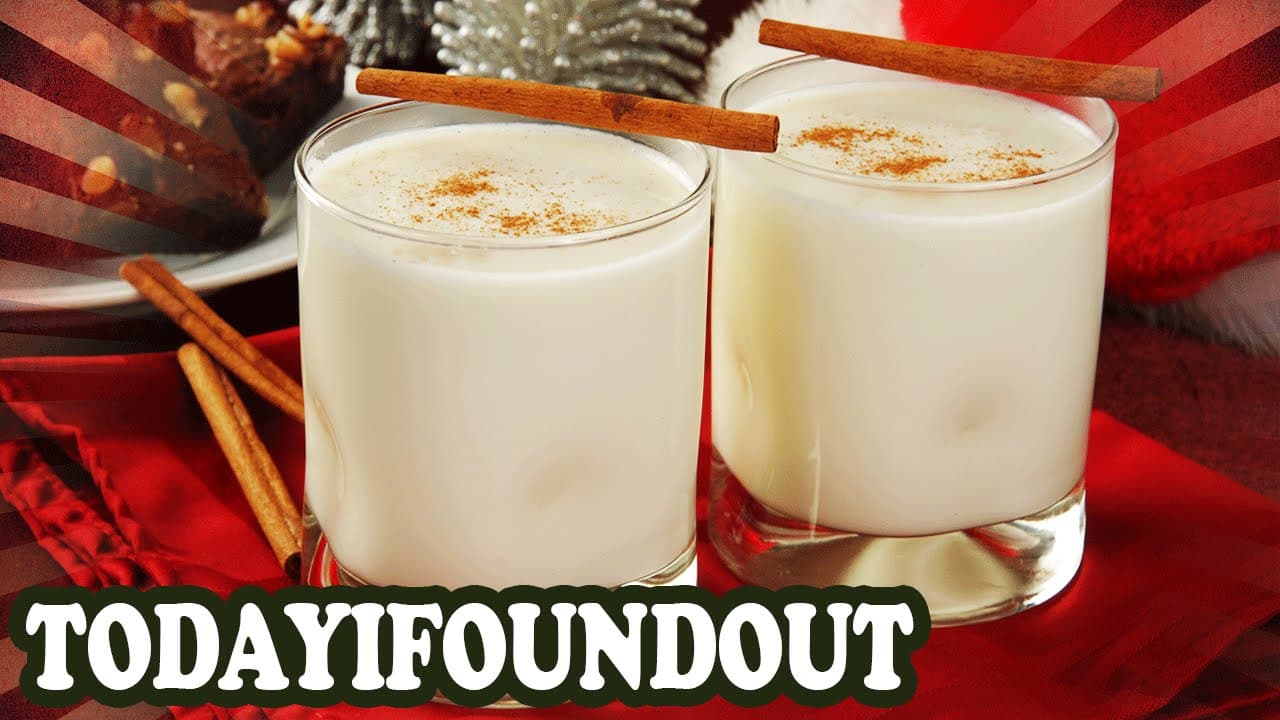
Eggnog is a traditional drink that originated in Europe in the 17th century, made with raw eggs, milk, cream, sugar, and alcohol, but commercial variations often exclude the alcohol and raw eggs due to health concerns.
Transcript
hello I'm Simon Whistler you're watching the today I found our YouTube channel and in the video today we're looking at who invented eggnog have you ever wondered who invented eggnog and what it traditionally was made with well wonder no more to begin with yes eggnog traditionally included raw eggs however some countries today such as the United Sta... Read More
Key Insights
- 😱 Eggnog traditionally includes raw eggs, milk, cream, sugar, and alcohol like rum or brandy.
- 🧑⚕️ Commercial eggnogs often exclude raw eggs and alcohol due to health concerns and regulations.
- 🌍 The origin of eggnog is believed to be in Europe, possibly England, in the 17th century.
- 🤠 In the Americas, eggnog became more popular due to the accessibility of cows and chickens for ingredients like eggs and milk.
- 🌎 Rum replaced brandy as the alcoholic ingredient of choice in the Americas due to its affordability and availability.
- 🍺 The name "eggnog" is believed to come from the egg ingredient and possibly derived from the Middle English word "noggin" or "nog," referring to a small wooden mug or certain types of beer with high alcohol content.
- 🐬 The word "eggnog" started appearing in the early 19th century, although the British sometimes still referred to it as "egg flip."
Install to Summarize YouTube Videos and Get Transcripts
Explore YouTube Video Summarizer or Get YouTube Transcript Extractor
Questions & Answers
Q: Why is raw egg no longer included in most commercial eggnogs?
Raw eggs are excluded from commercial eggnogs due to health concerns, as some countries, like the United States, restrict the use of raw eggs in products. The FDA limits the egg yolk solids in eggnog to less than 1%.
Q: How can one make eggnog with pasteurized eggs?
If you want to make eggnog with pasteurized eggs, you can buy pasteurized eggs from stores. Alternatively, you can partially cook the raw eggs in milk to make a custard. However, some eggnog connoisseurs believe this alters the flavor and consistency.
Q: Where did eggnog originate?
Eggnog is believed to have originated in Europe, possibly in England, around the 17th century. It was initially consumed by the wealthy due to the scarcity of eggs and milk for commoners.
Q: Why did eggnog become more popular in the Americas?
Eggnog gained popularity in the Americas due to the easier access to cows and chickens for eggs and milk. Additionally, rum became a popular substitute for brandy due to its affordability and availability.
Summary & Key Takeaways
-
Eggnog traditionally included raw eggs, milk, cream, sugar, and alcohol like rum or brandy. However, commercial eggnog today often excludes the alcoholic ingredients and raw eggs due to health concerns.
-
The origin of eggnog is believed to be in Europe, possibly England, in the 17th century. It was initially consumed by the wealthy due to the rarity of eggs and milk for commoners.
-
In the Americas, eggnog became more popular due to the accessibility of cows and chickens for eggs and milk. Rum became a popular substitute for brandy due to its affordability and availability.
Read in Other Languages (beta)
Share This Summary 📚
Summarize YouTube Videos and Get Video Transcripts with 1-Click
Try YouTube Summary with ChatGPT & Claude or YouTube Transcript Generator
Explore More Summaries from Today I Found Out 📚






Summarize YouTube Videos and Get Video Transcripts with 1-Click
Try YouTube Summary with ChatGPT & Claude or YouTube Transcript Generator