Is Aging Reversible? A Scientific Look with David Sinclair | David Sinclair | TEDxBoston
TL;DR
Aging is a medical condition that can be treated and potentially reversed through the activation of certain genes and modifications to the epigenome.
Transcript
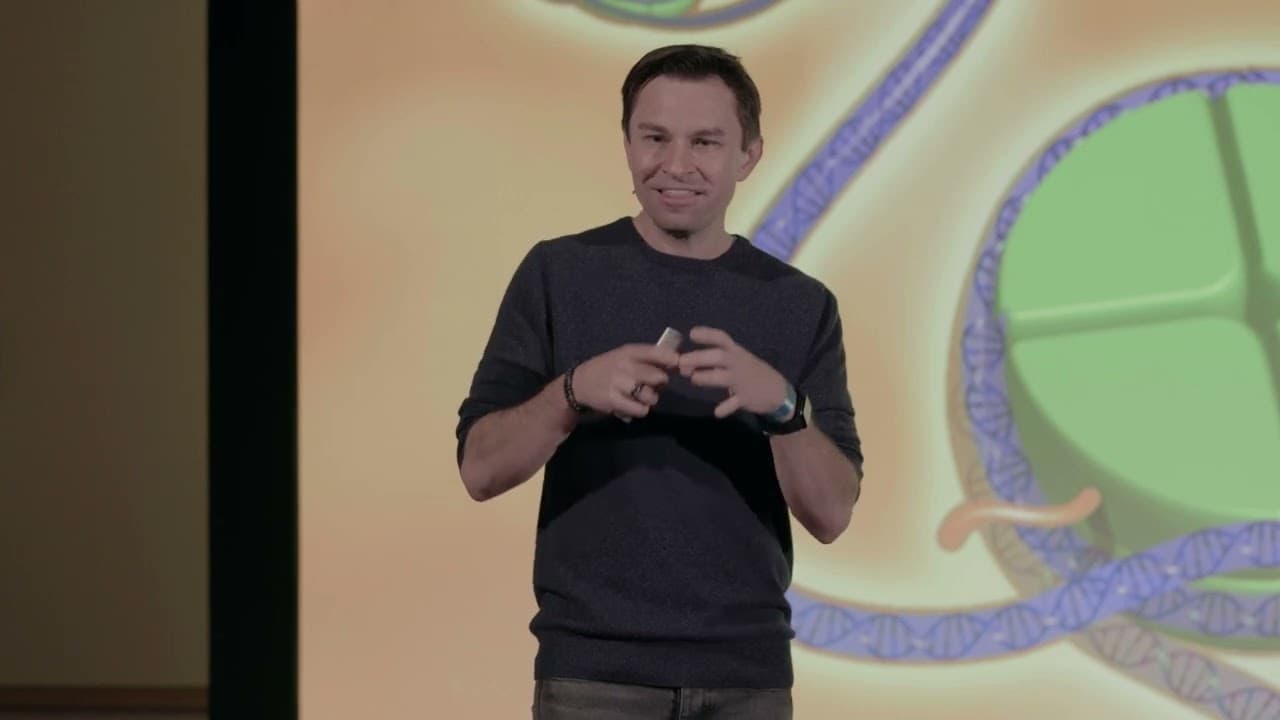
Transcriber: Matheus Guimarães Reviewer: Sakunphat Jirawuthitanant So I stand here as a representative of a field called Aging Science, Longevity Science. Some people call it anti-aging. We don’t use that as scientists. But what has happened in the last 25 years is nothing short of revolutionary. And thank goodness, I come from Harvard Medical Scho... Read More
Key Insights
- 🤕 Aging science has made significant advancements in the last 25 years, challenging traditional beliefs about lifespan limitations.
- 🤗 Treating aging as a medical condition opens up possibilities for extending and improving the quality of life for individuals.
- 🤕 The epigenome, which controls gene expression, is a key player in the aging process and could be targeted for age reversal.
- 🧑🏭 Sirtuins, a group of genes that respond to various factors, show promise in controlling the epigenome and promoting longevity.
- 🛄 DNA methylation patterns can be used to estimate biological age and track the effects of interventions aimed at reversing aging.
- 🤕 Age reversal experiments in mice have shown promising results, suggesting the potential for similar interventions in humans.
- 🤕 The future of aging science holds the potential for resetting and controlling human age, leading to significant changes in the way we live and experience life.
Install to Summarize YouTube Videos and Get Transcripts
Explore YouTube Video Summarizer or Get YouTube Transcript Extractor
Questions & Answers
Q: What is the main focus of aging science?
Aging science aims to understand and address the process of aging, treating it as a medical condition rather than accepting it as a natural part of life.
Q: How do sirtuins contribute to longevity?
Sirtuins are a group of genes that respond to various factors, such as fasting, exercise, and adversity. They play a role in controlling the epigenome and maintaining a healthier and longer lifespan.
Q: How can epigenetic changes be used to estimate biological age?
DNA methylation, which involves adding methyls to DNA, can be measured and analyzed to determine an individual's biological age. Changes in DNA methylation patterns occur with aging and can serve as a clock to estimate age.
Q: Is it possible to reverse aging?
Recent studies have shown promising results in reversing aging in mice by activating certain genes and manipulating the epigenome. While more research is needed, it suggests the potential for age reversal in the future.
Key Insights:
- Aging science has made significant advancements in the last 25 years, challenging traditional beliefs about lifespan limitations.
- Treating aging as a medical condition opens up possibilities for extending and improving the quality of life for individuals.
- The epigenome, which controls gene expression, is a key player in the aging process and could be targeted for age reversal.
- Sirtuins, a group of genes that respond to various factors, show promise in controlling the epigenome and promoting longevity.
- DNA methylation patterns can be used to estimate biological age and track the effects of interventions aimed at reversing aging.
- Age reversal experiments in mice have shown promising results, suggesting the potential for similar interventions in humans.
- The future of aging science holds the potential for resetting and controlling human age, leading to significant changes in the way we live and experience life.
- By taking proactive steps and staying informed about aging science, individuals have the opportunity to witness and benefit from future advancements in age reversal.
Summary & Key Takeaways
-
Aging science has made revolutionary advancements in the last 25 years, challenging the belief that humans are limited to a certain lifespan.
-
Aging should be treated as a medical condition, similar to cancer or heart disease, and efforts should be made to extend and improve the quality of life.
-
The epigenome, which controls gene expression, plays a crucial role in aging, and by understanding and manipulating it, age reversal may be possible.
Read in Other Languages (beta)
Share This Summary 📚
Summarize YouTube Videos and Get Video Transcripts with 1-Click
Try YouTube Summary with ChatGPT & Claude or YouTube Transcript Generator
Explore More Summaries from TEDx Talks 📚




Summarize YouTube Videos and Get Video Transcripts with 1-Click
Try YouTube Summary with ChatGPT & Claude or YouTube Transcript Generator