How Can Indigenous Leaders Shift US Politics?
TL;DR
Indigenous leaders are vital for shifting US politics by promoting visibility and representation in political processes. Their organization empowers Native voices and encourages diverse participation, ultimately benefiting all communities. By fostering leadership among Indigenous individuals, they create pathways for impactful civic engagement and challenge the historical narrative of Indigenous peoples.
Transcript
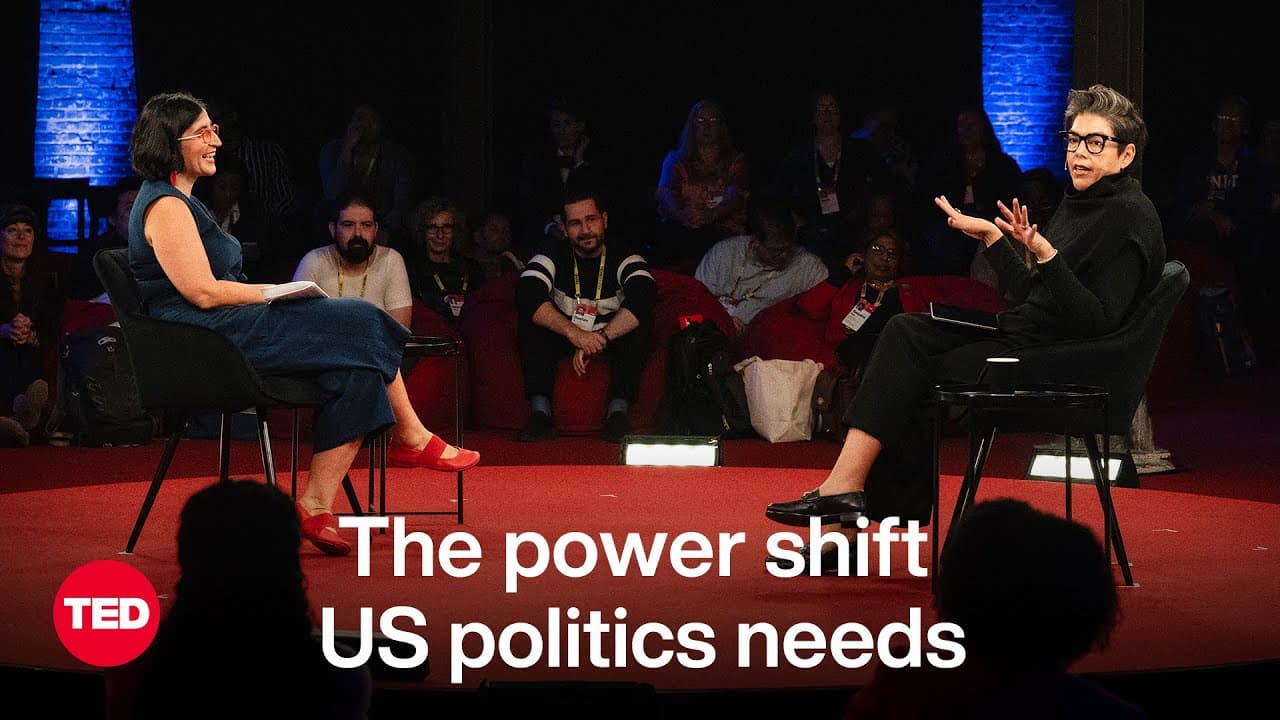
so uh you founded this organization um tell us how you got here sure GOI haa I'm Ania my pronounce are she her I am from ablo New Mexico there are 19 pblos in New Mexico um ours is one we are known as the oldest continuously inhabited community in the United States uh there are about 5,000 enrolled tribal members at my community and we've been init... Read More
Key Insights
- 😀 Indigenous communities have thrived for over 2,000 years, yet they face systemic invisibility in modern political discourse.
- 👯 Educational systems often perpetuate the misconception that indigenous peoples are relics of the past, limiting understanding and awareness.
- 😖 The organization Ania founded seeks to empower indigenous leaders, making pathways for their voices in democratic processes.
- 🥺 Transformation occurs within leadership training, as individuals shift from hesitation to confidence in their potential to lead.
- ❓ Inclusive democratic engagement benefits all communities, fostering collaboration between indigenous leaders and diverse populations.
- 🧑🚒 Ania's commitment to fight for marginalized groups illustrates the interconnectedness of various movements for equality and representation.
- 👾 The shift towards embracing diverse identities in political spaces is crucial in changing the narrative and breaking down barriers.
Install to Summarize YouTube Videos and Get Transcripts
Explore YouTube Video Summarizer or Get YouTube Transcript Extractor
Questions & Answers
Q: What sparked Ania's journey into indigenous advocacy and leadership?
Ania's journey into advocacy began in 2004 during a presidential campaign when she recognized the lack of infrastructure in New Mexico for indigenous communities. This realization led her to organize Southern pueblos and advocate for their representation, highlighting the ongoing need for awareness and recognition of indigenous voices in political discourse.
Q: How does Ania define the role of indigenous identity in political engagement?
Ania sees indigenous identity as both a source of empowerment and a barrier. She discusses how reclaiming indigenous identity enhances political representation and helps candidates connect with diverse communities. Her organization trains leaders to embrace their backgrounds proudly, supporting them as they navigate systems historically designed to exclude them.
Q: Why is it important for non-Native individuals to support indigenous organizations?
Ania emphasizes that a more reflective democracy includes diverse perspectives, which benefits everyone. Non-Native individuals, particularly allies, can help amplify indigenous voices, recognizing the demographic shifts in society. By engaging with indigenous leaders, they contribute to a richer dialogue that can address mutual concerns and enhance community collaboration.
Q: What challenges do indigenous leaders face in the political landscape today?
Indigenous leaders encounter various challenges, including historical marginalization and systemic barriers within political structures. They often face skepticism about their qualifications and struggle for visibility in a predominantly white narrative. Ania's organization aims to provide necessary resources and training to help overcome these challenges, empowering leaders to navigate these obstacles successfully.
Summary & Key Takeaways
-
Ania discusses her upbringing between indigenous lands and Texas, emphasizing the importance of cultural connection and the historical challenges faced by indigenous peoples in America.
-
Despite indigenous peoples making up about 3% of the U.S. population, Ania highlights the need for greater visibility and representation in political systems, encouraging active participation.
-
The organization focuses on empowering Native leaders and creating inclusive spaces, demonstrating transformation and growth in individuals as they find their voice in civic matters.
Read in Other Languages (beta)
Share This Summary 📚
Summarize YouTube Videos and Get Video Transcripts with 1-Click
Try YouTube Summary with ChatGPT & Claude or YouTube Transcript Generator
Explore More Summaries from TED 📚


Summarize YouTube Videos and Get Video Transcripts with 1-Click
Try YouTube Summary with ChatGPT & Claude or YouTube Transcript Generator