HILT 2017 Conference: How to fail successfully

TL;DR
Harvard educators discuss the importance of failure and taking risks in education, sharing personal stories and insights on the challenges and lessons learned along the way.
Transcript
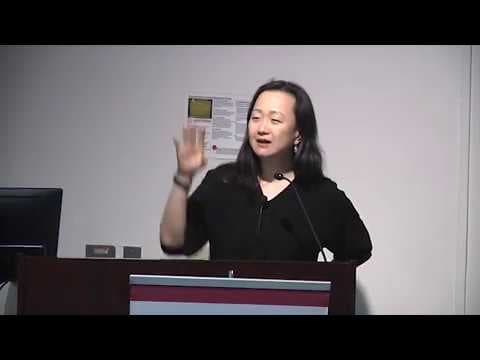
Hi, I'm Sarah Grafman, I'm here from HarvardX. I'm Sejal Vashi, I'm here from the the Harvard TH Sam School of Public Health. And we have some guests who would like to introduce themselves. We're just-- microphones for recording. Yeah, we're just as loud without them. Randy King, I'm a professor of cell biology at the medical school, and do a lot o... Read More
Key Insights
- ❓ Failure is an inherent part of the learning process and should be embraced rather than avoided.
- 🥡 Taking risks in education is crucial for growth and innovation, but it requires reflection, adaptability, and seeking support.
- 🖐️ Context and expectations play a significant role in the success or failure of teaching methods.
- 🥺 Learning from failures can lead to improved teaching strategies and better student engagement.
Install to Summarize YouTube Videos and Get Transcripts
Explore YouTube Video Summarizer or Get YouTube Transcript Extractor
Questions & Answers
Q: How do educators define failure in an educational context?
Failure can be seen as a student's inability to meet academic expectations or objectives, such as poor attendance or failing exams. However, it is important to consider extenuating circumstances and personal motivations that may contribute to failure.
Q: What are some examples of risks that educators may want to take in the future?
Some examples could include experimenting with new teaching methods, adopting technology in the classroom, or implementing collaborative learning approaches. Each educator's specific risk will depend on their own teaching goals and objectives.
Q: What kind of support or resources can educators utilize when taking risks in education?
Educators can seek support from colleagues, department heads, or instructional designers to gain insights and guidance. They can also access online resources, such as flipped learning guides, to better understand and plan for risk-taking endeavors.
Q: How can educators learn from failure and adapt their teaching strategies?
Reflecting on the reasons for failure, identifying the context and expectations, and seeking feedback from students and colleagues can help educators gain insights and adjust their teaching strategies. Iterative approaches to teaching, where adjustments are made based on student feedback, can also facilitate growth and learning.
Summary & Key Takeaways
-
The educators discuss various examples of student failure, including instances of students stopping attendance or failing objective exams.
-
They also share personal stories of failure, such as a professor's experiment with flipped classroom learning that initially did not go well.
-
The importance of understanding the context and learning from failures is emphasized, as well as the need for support and resources to take risks in education.
Read in Other Languages (beta)
Share This Summary 📚
Summarize YouTube Videos and Get Video Transcripts with 1-Click
Try YouTube Summary with ChatGPT & Claude or YouTube Transcript Generator
Explore More Summaries from Harvard University 📚





Summarize YouTube Videos and Get Video Transcripts with 1-Click
Try YouTube Summary with ChatGPT & Claude or YouTube Transcript Generator