Luis H. Zayas: The psychological impact of child separation at the US-Mexico border | TED
TL;DR
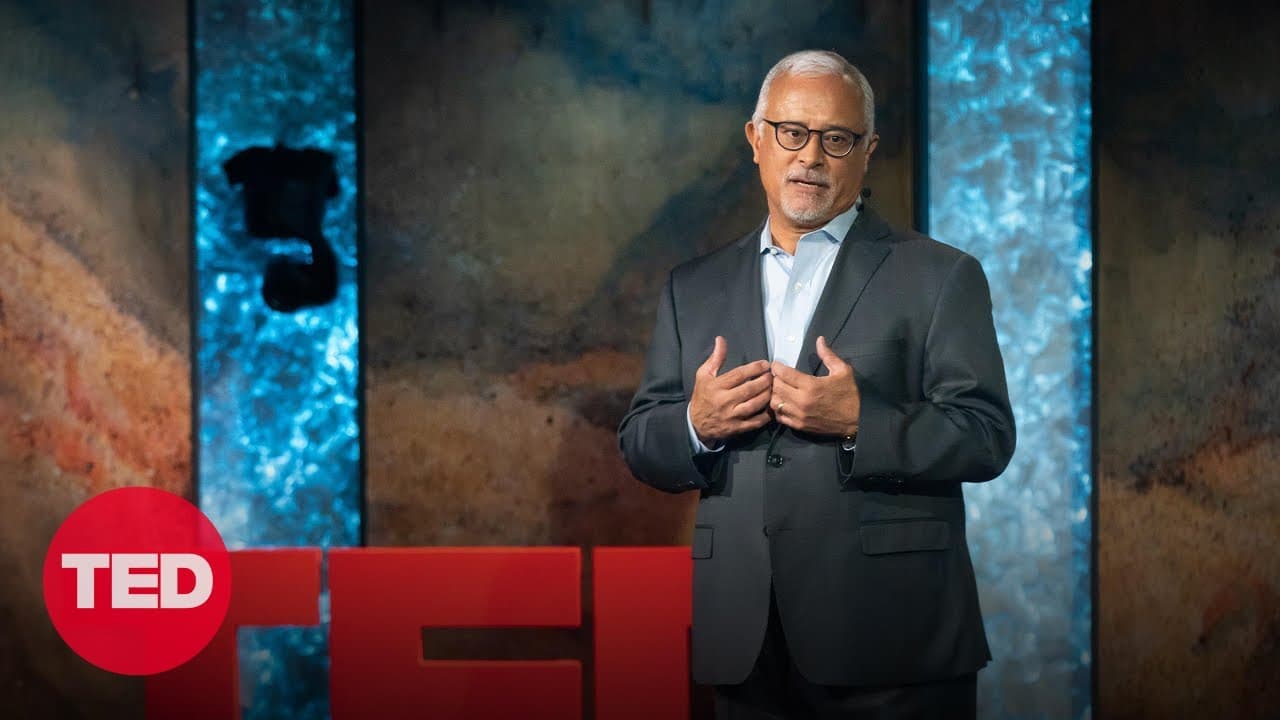
This content is about the speaker's experience working with families in difficult circumstances at the US southern border and their call for humane treatment of children in immigration detention.
Transcript
For over 40 years, I've been a clinical social worker and a developmental psychologist. And it seemed almost natural for me to go into the helping professions. My parents had taught me to do good for others. And so I devoted my career to working with families in some of the toughest circumstances: poverty, mental illness, immigration, refugees. And... Read More
Key Insights
- 💔 The United States government's treatment of families seeking asylum at the southern border is deeply disappointing and goes against humanitarian values. Children in immigration detention centers are being traumatized, and it is the responsibility of the government to protect them.
- 🌍 Immigration is a complex issue and people may have differing opinions on how it should be handled, but it is universally agreed that America should not be causing harm to children. The government should prioritize the well-being of all children, regardless of their background or status.
- 😢 The stories of children like Danny and Fernando, who have experienced extreme violence and trauma, highlight the long-lasting negative effects of prolonged stress and adversity on child development. Detention centers are profoundly damaging to children's mental health and overall well-being.
- 🔒 Instead of detention centers, the government should create orderly asylum processing centers that prioritize safety, compassion, and normalcy for children and families seeking asylum. These centers should provide medical and mental health services, education, and opportunities for social interaction.
- 🌟 Refugee camps around the world can serve as positive examples, providing families with the support and resources they need. The United States has the resources to create humane and effective processing centers for asylum seekers.
- 💪 While immigration policies may be divisive, the treatment of children should transcend political divisions. By treating children with dignity and respect, we can prepare them to become productive members of society, whether they stay in the US or return to their home countries.
- 🌎 It is our collective responsibility as Americans to insist on the humane treatment of children. We have the power to make a difference and ensure that future generations can testify to the goodness of our country and values.
- ❗️Looking back on this moment in history, we must not ignore the lifelong trauma inflicted on children. It is crucial that we take action to protect the well-being of these vulnerable individuals and strive for a more compassionate and just immigration system.
Install to Summarize YouTube Videos and Get Transcripts
Explore YouTube Video Summarizer or Get YouTube Transcript Extractor
Questions & Answers
Q: What has the speaker's career focused on?
The speaker's career has focused on working with families in difficult circumstances such as poverty, mental illness, immigration, and refugees.
Q: What has the speaker been disappointed by in recent years?
The speaker has been deeply disappointed by the way the United States government is treating families who are seeking asylum at the southern border.
Q: What are some of the traumatic experiences that families are fleeing from?
Families are fleeing from some of the worst violence in the world, including being attacked by gangs, assaulted, raped, extorted, and threatened with death.
Q: How are children in immigration detention being traumatized?
Children in immigration detention are being traumatized by their experiences, which include witnessing violence, having recurring nightmares, depression, anxiety, hopelessness, and exhibiting regressive behaviors.
Q: What is the speaker's proposal for changing how immigrant families are treated in detention?
The speaker suggests reimagining detention centers as orderly asylum processing centers that foster safety and compassion, resembling campus-like communities where families can live together. Medical professionals, social workers, and teachers would provide necessary services, screening, and support for children and their families.
Q: What does the speaker hope to achieve by treating children in detention with dignity and respect?
By treating children in detention with dignity and respect, the speaker hopes to prepare them to become productive and engaged members of society, whether they remain in the United States or return to their countries. They can become teachers, merchants, and leaders, ultimately giving testimony to the world about the goodness of the country's values.
Summary & Key Takeaways
-
The speaker, a clinical social worker and developmental psychologist, expresses disappointment in the treatment of families seeking asylum at the US southern border.
-
The speaker shares stories of children in detention centers and highlights the traumatic impact it has on their mental health and development.
-
The speaker proposes reframing practices, creating asylum processing centers, and treating children with dignity and respect.
Read in Other Languages (beta)
Share This Summary 📚
Summarize YouTube Videos and Get Video Transcripts with 1-Click
Try YouTube Summary with ChatGPT & Claude or YouTube Transcript Generator
Explore More Summaries from TED 📚





Summarize YouTube Videos and Get Video Transcripts with 1-Click
Try YouTube Summary with ChatGPT & Claude or YouTube Transcript Generator