How Brain Computing Works (What Is Cognitive Computing)
TL;DR
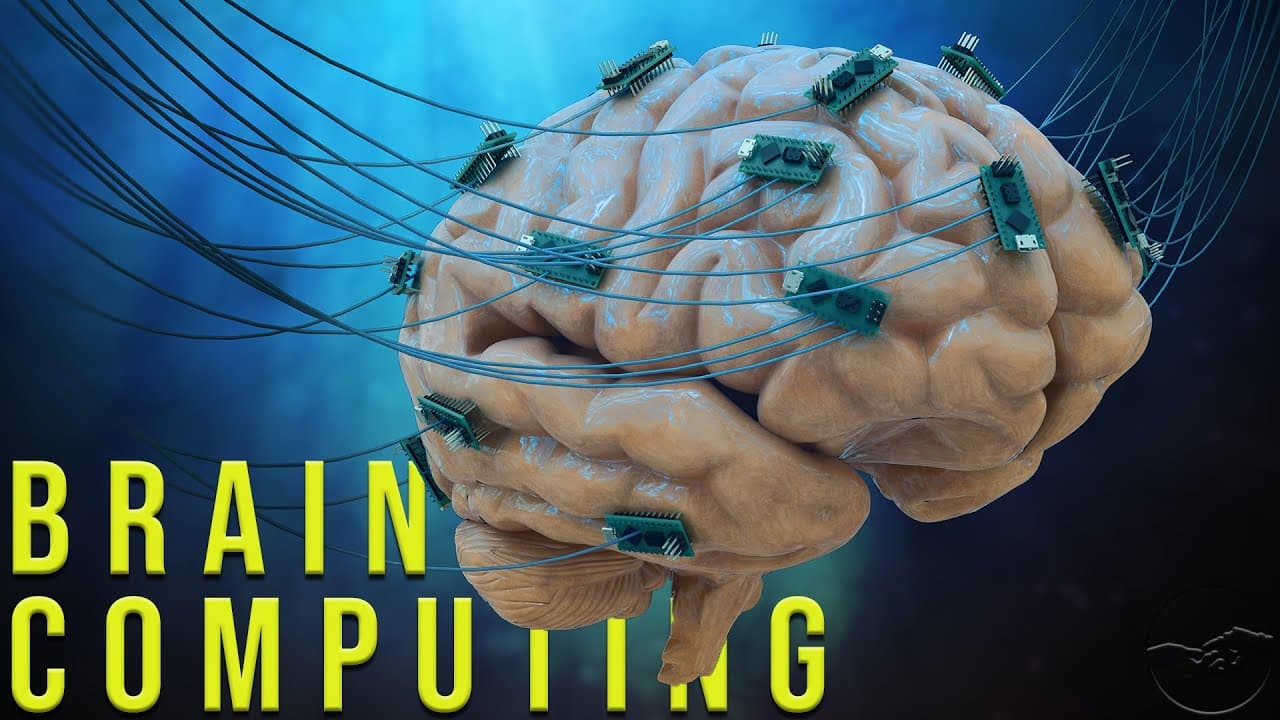
Neuromorphic architectures mimic the brain for efficient computing with huge potential in AI, brain simulation, and brain-computer interfaces.
Transcript
Hi, thanks for tuning into Singularity Prosperity. This video is the eleventh in a multi-part series discussing computing. In this video, we'll be discussing what cognitive computing is, current cognitive computing initiatives and the impact they will have on the field of computing. The human brain is truly an amazing machine: able to operate in pa... Read More
Key Insights
- 😘 Neuromorphic architectures mimic the brain's parallel, low-energy processing for efficient computing.
- 🥺 IBM's TrueNorth and Intel's Loihi lead the neuromorphic computing race, aiming to transform machine learning and edge processing.
- 🧠 Memristors and analog computing enhance neuromorphic performance by replicating brain operations and enabling efficient processing.
- 🧠 Cognitive computing's three facets include brain simulation, AI acceleration, and brain-computer interfaces for future innovation.
- 🧠 The future holds transformative advancements in cognitive computing with implications for AI, brain research, and brain-computer integration.
- 💨 Neuromorphic innovations today pave the way for brain-inspired technologies with potential in biotechnology, artificial consciousness, and cybernetics.
- 💻 Ethical considerations and the impact of early neuromorphic innovations on future technologies highlight the importance of cognitive computing advancements.
Install to Summarize YouTube Videos and Get Transcripts
Explore YouTube Video Summarizer or Get YouTube Transcript Extractor
Questions & Answers
Q: What is cognitive computing and how does it differ from traditional computing?
Cognitive computing utilizes neuromorphic architectures to mimic the brain's processing for efficient and real-time operations, unlike traditional isolated memory-processing systems.
Q: How do neuromorphic chips like IBM TrueNorth and Intel Loihi contribute to machine learning?
Neuromorphic chips revolutionize machine learning by enabling low-power, real-time training, learning, and inference on edge devices for enhanced AI capabilities.
Q: How do memristors facilitate efficient computing in neuromorphic architectures?
Memristors act as neurosynaptic cores, mimicking brain function by performing clockless, parallel operations and fault-tolerant routing for energy-efficient processing.
Q: What role does analog computing play in enhancing neuromorphic architectures?
Analog computing in neuromorphic architectures processes multiple sensor inputs in real-time, simulating brain-like activation thresholds for efficient and adaptive processing.
Summary & Key Takeaways
-
Cognitive computing, utilizing neuromorphic architectures, mimics the brain for efficient computing.
-
Neuromorphic chips like IBM's TrueNorth and Intel's Loihi aim to revolutionize machine learning and edge device processing.
-
Memristors and analog computing enhance neuromorphic performance by mimicking brain operations for energy-efficient processing.
Read in Other Languages (beta)
Share This Summary 📚
Summarize YouTube Videos and Get Video Transcripts with 1-Click
Try YouTube Summary with ChatGPT & Claude or YouTube Transcript Generator
Explore More Summaries from Futurology — An Optimistic Future 📚





Summarize YouTube Videos and Get Video Transcripts with 1-Click
Try YouTube Summary with ChatGPT & Claude or YouTube Transcript Generator