How to Use Protein for Fat Loss and Muscle Gain
TL;DR
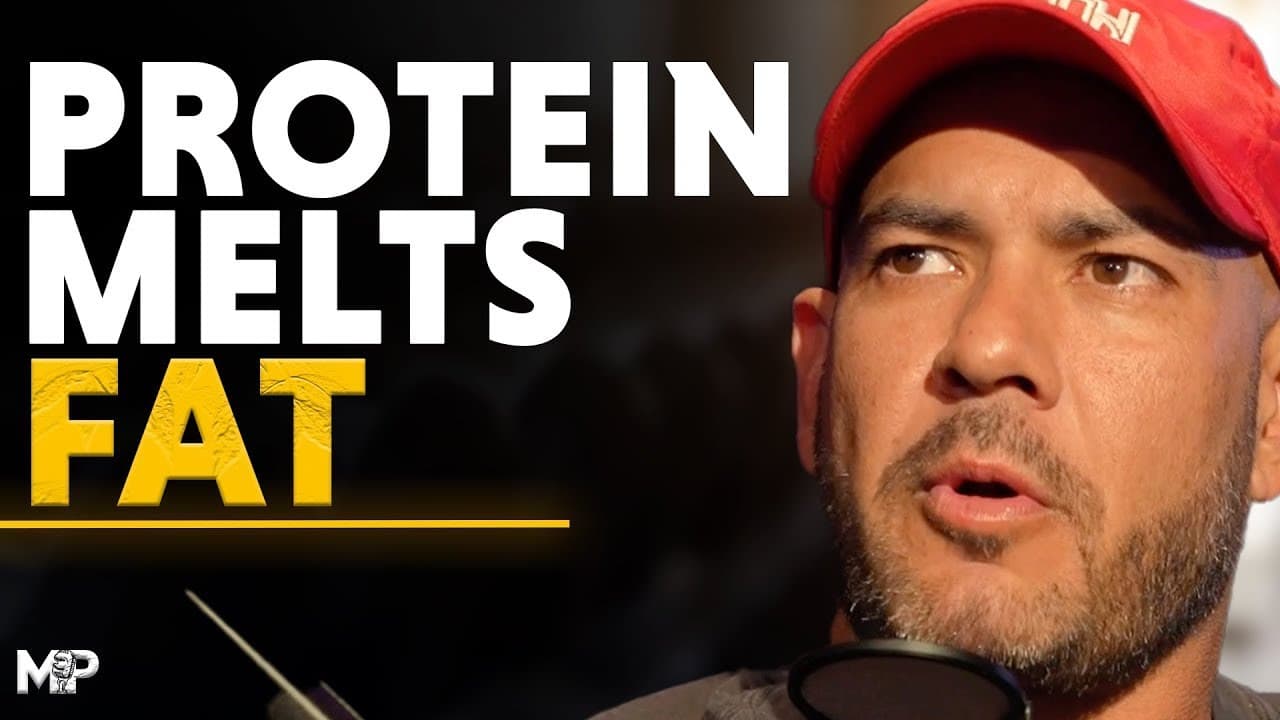
Increasing protein intake is crucial for effective fat loss and muscle gain. A high-protein diet, even with controlled calories, leads to more muscle retention and fat loss. Protein also helps with appetite control, making it easier to stick to a calorie deficit. Aim for about one gram of protein per pound of target body weight.
Transcript
one of the keys to Fat Loss is protein it's true if you're not even get a high protein diet you're not going to burn as much body fat as you can so today's episode we're going to talk about the smartest ways to use protein for fat burn and to build muscle you got to watch this I wish I understood this earlier in my career I think it was probably al... Read More
Key Insights
- A high-protein diet leads to more muscle and less body fat even with the same caloric intake.
- Protein is more satiating than fats and carbohydrates, helping control appetite.
- Animal sources of protein are more effective for muscle synthesis than plant-based proteins.
- The thermic effect of protein is higher than carbohydrates or fats, aiding in metabolism.
- Starting the day with a high-protein breakfast helps maintain stable blood sugar levels.
- Whole food sources of protein are more beneficial than protein shakes for appetite control.
- Essential amino acids can enhance the protein quality of vegan diets.
- Consistently hitting protein targets is essential for optimal fat loss and muscle gain.
Install to Summarize YouTube Videos and Get Transcripts
Explore YouTube Video Summarizer or Get YouTube Transcript Extractor
Questions & Answers
Q: How does a high-protein diet aid in fat loss?
A high-protein diet aids in fat loss by increasing satiety, which helps control appetite and makes it easier to maintain a calorie deficit. Protein also has a higher thermic effect, meaning it requires more energy to digest, thus boosting metabolism. Additionally, protein helps preserve muscle mass during weight loss, which is crucial for maintaining a higher metabolic rate.
Q: What is the recommended protein intake for muscle gain?
The recommended protein intake for muscle gain is about one gram of protein per pound of target body weight. This amount helps ensure adequate amino acids for muscle repair and growth, especially when combined with resistance training. It's important to distribute protein intake evenly throughout the day to maximize muscle protein synthesis.
Q: Why are animal proteins considered superior for muscle synthesis?
Animal proteins are considered superior for muscle synthesis because they contain all essential amino acids in the right proportions needed by the human body. They are more easily absorbed and utilized for muscle repair and growth compared to plant-based proteins. Sources like eggs, beef, chicken, and fish rank high in protein quality.
Q: How can vegans improve their protein intake quality?
Vegans can improve their protein intake quality by consuming a variety of plant-based proteins to ensure all essential amino acids are covered. Additionally, supplementing with essential amino acids can help raise the protein quality of their diet, making it more comparable to animal protein sources. This can aid in muscle synthesis and overall health.
Q: What are the benefits of starting the day with a high-protein breakfast?
Starting the day with a high-protein breakfast helps maintain stable blood sugar levels, which reduces cravings and promotes better energy levels throughout the day. It also sets a strong foundation for meeting daily protein targets, which is crucial for muscle maintenance and fat loss. A protein-rich breakfast can include eggs, Greek yogurt, or a protein shake.
Q: Are protein shakes as effective as whole food sources?
While protein shakes are convenient and can help meet daily protein targets, whole food sources are more effective for appetite control and overall nutrition. Whole foods provide additional nutrients and are more satiating, which can help with long-term adherence to a healthy diet. Protein shakes are best used as a supplement when whole food intake falls short.
Q: What is the thermic effect of protein?
The thermic effect of protein refers to the amount of energy required to digest, absorb, and metabolize protein. It is higher than that of carbohydrates and fats, meaning more calories are burned during the digestion of protein. This contributes to a higher metabolic rate, aiding in weight management and fat loss.
Q: How do essential amino acids benefit vegans?
Essential amino acids benefit vegans by supplementing their diet with the amino acids that might be lacking in plant-based proteins. This ensures that their protein intake supports muscle synthesis and overall health. Supplementing with essential amino acids can help vegans achieve protein quality similar to that of animal proteins, enhancing muscle repair and growth.
Summary & Key Takeaways
-
A high-protein diet is more effective for fat loss and muscle gain compared to low or moderate protein diets, even when calorie intake is the same. Protein helps with appetite control, making it easier to maintain a calorie deficit.
-
Animal proteins are superior for muscle synthesis, but vegans can benefit from essential amino acid supplements to improve protein quality. Whole food protein sources are more beneficial for appetite control than shakes.
-
Starting the day with a high-protein breakfast can help maintain stable blood sugar levels, which is crucial for avoiding cravings and maintaining energy levels. Aim for about one gram of protein per pound of target body weight.
Read in Other Languages (beta)
Share This Summary 📚
Summarize YouTube Videos and Get Video Transcripts with 1-Click
Try YouTube Summary with ChatGPT & Claude or YouTube Transcript Generator
Explore More Summaries from Mind Pump Show 📚

Summarize YouTube Videos and Get Video Transcripts with 1-Click
Try YouTube Summary with ChatGPT & Claude or YouTube Transcript Generator