How to Adapt SEO Strategies for Core Updates
TL;DR
To maintain SEO success during Google's core updates, it's crucial to understand the dynamic nature of search intent and sentiment. By staying informed about programmatic changes and adjusting your content and link-building strategies accordingly, you can avoid penalties and enhance your site's performance. Regularly updating your content to match current user intent and leveraging AI tools effectively can provide a competitive edge.
Transcript
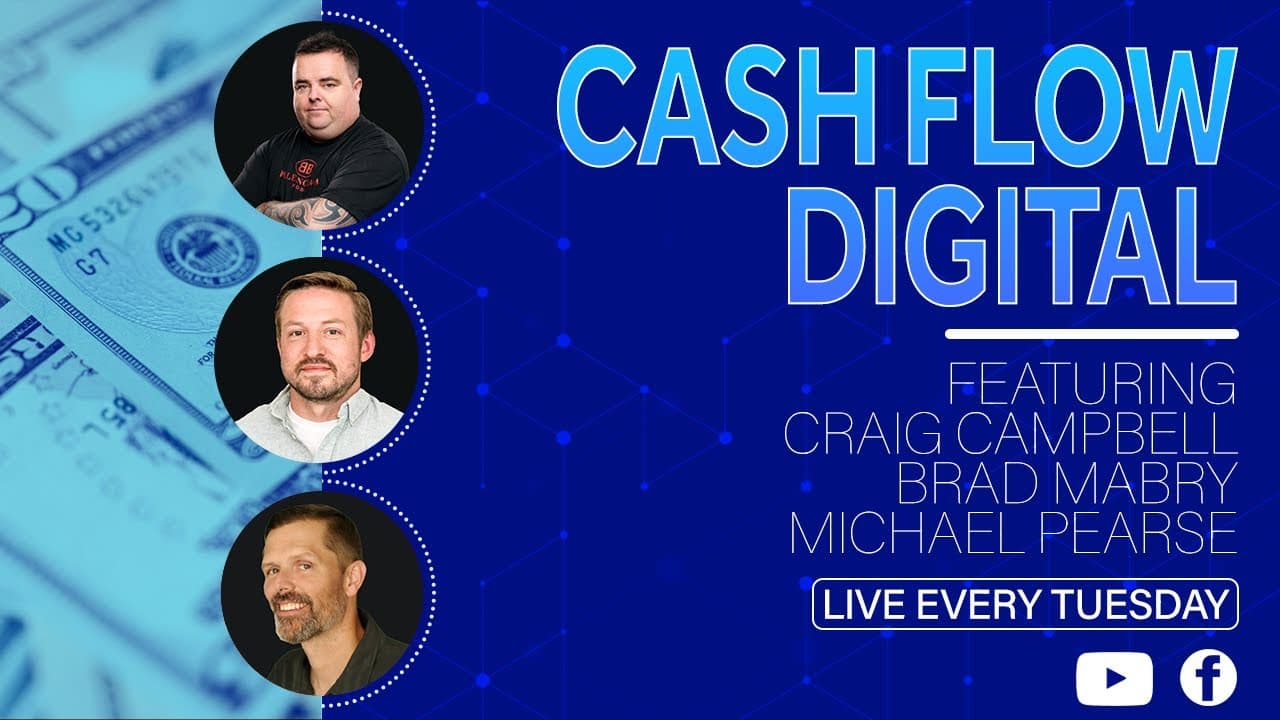
good afternoon everyone and welcome to today's cash flow digital sponsored by odys over in the corner over there up here in an age domain and so on yeah give it a touch we are joined by brad and mike and glad you've got afgh webinar.com hanging about under there now i i'm going to just ask this question publicly because someone asked me so for some... Read More
Key Insights
- Google's core updates require constant adaptation of SEO strategies to maintain rankings.
- Understanding user intent and sentiment is critical for successful SEO.
- Dynamic changes in the web mean SEO efforts must be continuously updated.
- Programmatic understanding of search intent helps craft better content and links.
- AI-generated content must be carefully managed to avoid penalties.
- Link marketplaces may use deceptive tactics; understanding them can save money.
- SEO is evolving to be more about understanding Google's decision-making processes.
- Effective use of AI tools can significantly enhance content strength and network robustness.
Install to Summarize YouTube Videos and Get Transcripts
Explore YouTube Video Summarizer or Get YouTube Transcript Extractor
Questions & Answers
Q: How to adapt SEO strategies for Google's core updates?
Adapting to Google's core updates requires understanding changes in user intent and sentiment. Regularly analyze competitors, update content to align with current user needs, and leverage AI tools effectively. This dynamic approach helps maintain or improve rankings by aligning with Google's evolving criteria.
Q: What are the key components of successful SEO during core updates?
Successful SEO during core updates involves understanding user intent, sentiment, and programmatic changes. Continuously updating content and link-building strategies to match Google's criteria, using AI tools wisely, and avoiding deceptive link marketplaces are crucial components for maintaining SEO success.
Q: Why is understanding user intent important in SEO?
Understanding user intent is crucial in SEO because it helps tailor content to meet user needs, which aligns with Google's ranking criteria. By matching content with current user intent, websites can improve their visibility and performance in search engine results, especially during core updates.
Q: How can AI tools enhance SEO efforts?
AI tools enhance SEO efforts by analyzing large datasets to identify trends and insights that inform content and link-building strategies. When used correctly, they can optimize content strength and network robustness, providing a competitive edge. However, the effectiveness of AI depends on the quality of input data.
Q: What are the risks of using AI-generated content in SEO?
The risks of using AI-generated content in SEO include potential penalties if the content is deemed low-quality or irrelevant by search engines. To mitigate these risks, it's crucial to feed accurate and relevant data into AI tools and ensure the content aligns with user intent and Google's ranking criteria.
Q: How can understanding link marketplaces save money?
Understanding link marketplaces can save money by identifying deceptive practices that make low-quality links appear valuable. By recognizing these tactics, businesses can avoid overpaying for links that don't contribute to SEO success, allowing them to allocate resources more effectively and improve their overall strategy.
Q: What role does sentiment play in SEO?
Sentiment plays a role in SEO by influencing how content is perceived and engaged with by users. Positive sentiment can enhance user experience and engagement, leading to better rankings. Understanding sentiment helps tailor content to resonate with users, aligning with Google's focus on user-centric content.
Q: How often should SEO strategies be updated?
SEO strategies should be updated regularly, especially during Google's core updates. The digital landscape is dynamic, with user intent and search criteria constantly evolving. Regular updates ensure that content and strategies remain aligned with current trends, maximizing visibility and performance in search results.
Summary & Key Takeaways
-
Adapting to Google's core updates involves understanding changes in user intent and sentiment. By analyzing top competitors and adjusting your content accordingly, you can maintain or improve your rankings. This requires a dynamic approach, continuously updating your strategies to align with Google's evolving criteria.
-
AI tools can be valuable in SEO, but their effectiveness depends on the quality of input data. Misuse of AI can lead to penalties, so it's essential to feed accurate data into these tools. Additionally, understanding link marketplaces and avoiding overpayment for low-quality links can save resources.
-
SEO is increasingly about understanding Google's intent and decision-making processes. By focusing on user needs and programmatic changes, you can optimize your content and link-building strategies for better performance. This approach requires regular updates and a willingness to pivot as the digital landscape shifts.
Read in Other Languages (beta)
Share This Summary 📚
Summarize YouTube Videos and Get Video Transcripts with 1-Click
Try YouTube Summary with ChatGPT & Claude or YouTube Transcript Generator
Explore More Summaries from Craig Campbell SEO 📚




Summarize YouTube Videos and Get Video Transcripts with 1-Click
Try YouTube Summary with ChatGPT & Claude or YouTube Transcript Generator