Chernobyl Created the World's Rarest Dogs
TL;DR
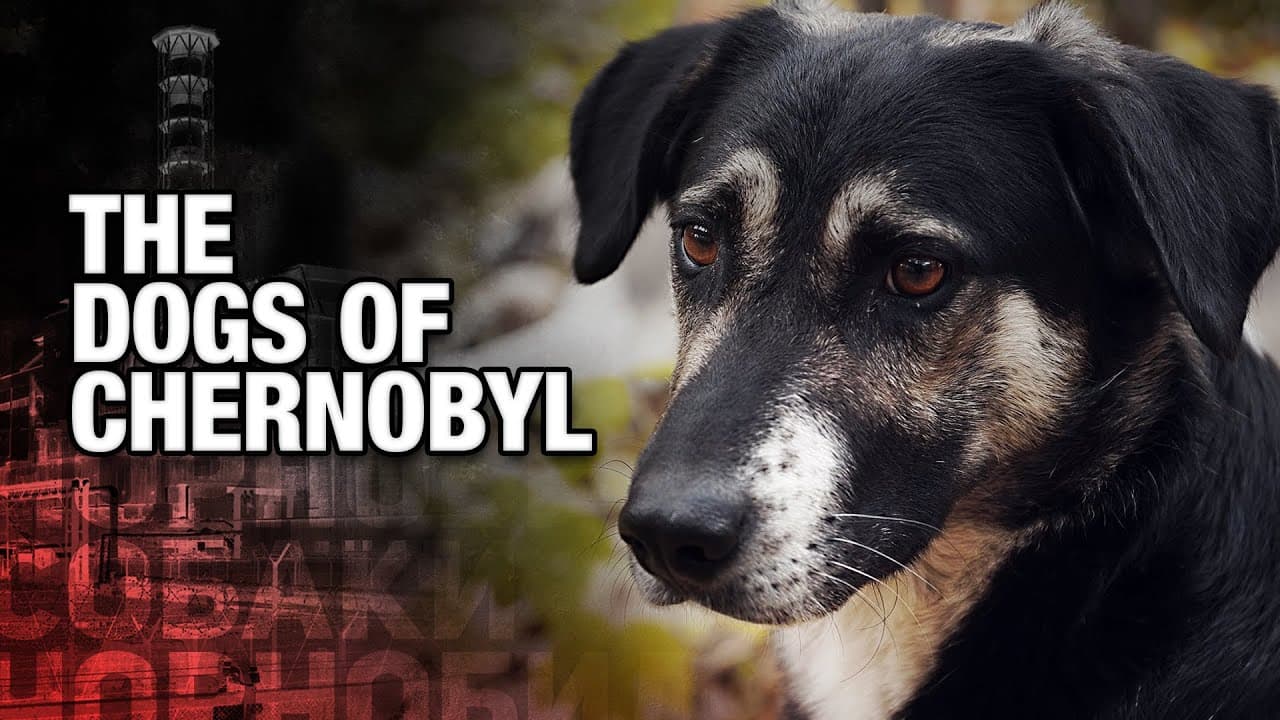
After the Chernobyl nuclear disaster, a community of wild dogs has thrived in the exclusion zone, adapting to the radioactive environment.
Transcript
within a few dozen hours after reactor 4 at the Chernobyl nuclear power plant exploded a two and a half kilometer long Convoy of over 1200 buses was rushing forty seven thousand people out of the town of pripyat where everyone working at the power station two miles away was living scientists engineers administrators and their families took on these... Read More
Key Insights
- 🐶 The evacuation of humans from the Chernobyl disaster left behind many pets, including dogs and cats, to fend for themselves.
- 🤵 In the aftermath of the disaster, wild dogs emerged and thrived in the exclusion zone, adapting to the radioactive environment.
- 😋 The dogs of Chernobyl have developed survival strategies, such as learning from human behavior, scavenging for food, and living in packs.
- 🎮 The Clean Futures Fund plays a crucial role in providing medical care, population control, and shelter for the dogs within the Chernobyl exclusion zone.
- 🖤 The dogs' average lifespan is shorter due to factors such as predation, lack of resources, and the challenging environment.
- 😨 Donations can make a difference in supporting the care and well-being of the dogs, as well as the communities affected by the Chernobyl disaster.
- 🤵 The dogs' appearance and behavior contradict common misconceptions about the effects of radiation, demonstrating the resilience of animals in adapting to their surroundings.
Install to Summarize YouTube Videos and Get Transcripts
Explore YouTube Video Summarizer or Get YouTube Transcript Extractor
Questions & Answers
Q: How did the dogs survive in the radioactive environment of Chernobyl?
The dogs have adapted over generations to the radioactive environment, developing unique survival skills, such as pack mentality and learning to scavenge for food.
Q: Are the dogs radioactive?
While the dogs have internal radioactive contamination, it is uncertain if they develop tumors and cancers. However, their average lifespan is significantly shorter than regular dogs due to other factors such as predation, lack of food and water, and harsh Ukrainian winters.
Q: How are the dogs being helped and cared for?
The Clean Futures Fund (CFF) conducts spay/neuter programs, provides vaccinations, food, water, and shelter within the Chernobyl exclusion zone. They monitor the population's health, conduct population control, and help in finding adoptive homes for some dogs in the United States.
Q: How can people contribute to helping the dogs of Chernobyl?
Donations can be made to the Clean Futures Fund, which will contribute towards the care, medical assistance, and population control of the dogs. These donations will also support the humans living and working around the Chernobyl nuclear power plant.
Summary & Key Takeaways
-
Within hours of the Chernobyl explosion, a convoy of buses evacuated thousands of people from the town of Pripyat, leaving behind abandoned pets, including dogs and cats.
-
Over the next 35 years, a population of wild dogs emerged and thrived within the 30-kilometer radius around the Chernobyl nuclear power plant.
-
These dogs, descendants of abandoned house pets, have developed unique survival skills and adaptations to the radioactive environment.
Read in Other Languages (beta)
Share This Summary 📚
Summarize YouTube Videos and Get Video Transcripts with 1-Click
Try YouTube Summary with ChatGPT & Claude or YouTube Transcript Generator
Explore More Summaries from Kyle Hill 📚
![🔴 Viral "Hanger Reflex" Explained! | [OFFICE HOURS] Podcast 090 thumbnail](/_next/image?url=https%3A%2F%2Fi.ytimg.com%2Fvi%2F-GQPNu0erKc%2Fhqdefault.jpg&w=750&q=75)




Summarize YouTube Videos and Get Video Transcripts with 1-Click
Try YouTube Summary with ChatGPT & Claude or YouTube Transcript Generator