M6A MoDRN Energy: Energy Efficiency Energy Use and Predictions
TL;DR
Designing for energy efficiency is crucial in minimizing the impact of chemical processes on energy resources, carbon emissions, toxicity, water usage, and waste generation.
Transcript
so everybody's seen the green chemistry principles over and over and of course there's the one that gets right to the heart of what we're talking about designing for energy efficiency so the idea that the chemist has some responsibility to recognize the impacts that arise from their choices of the chemicals and chemical processes so things like thi... Read More
Key Insights
- 💦 Designing for energy efficiency in chemical processes can mitigate the impacts on energy resources, carbon emissions, toxicity, water usage, and waste generation.
- 😮 The demand for energy continues to rise, despite efforts in energy conservation.
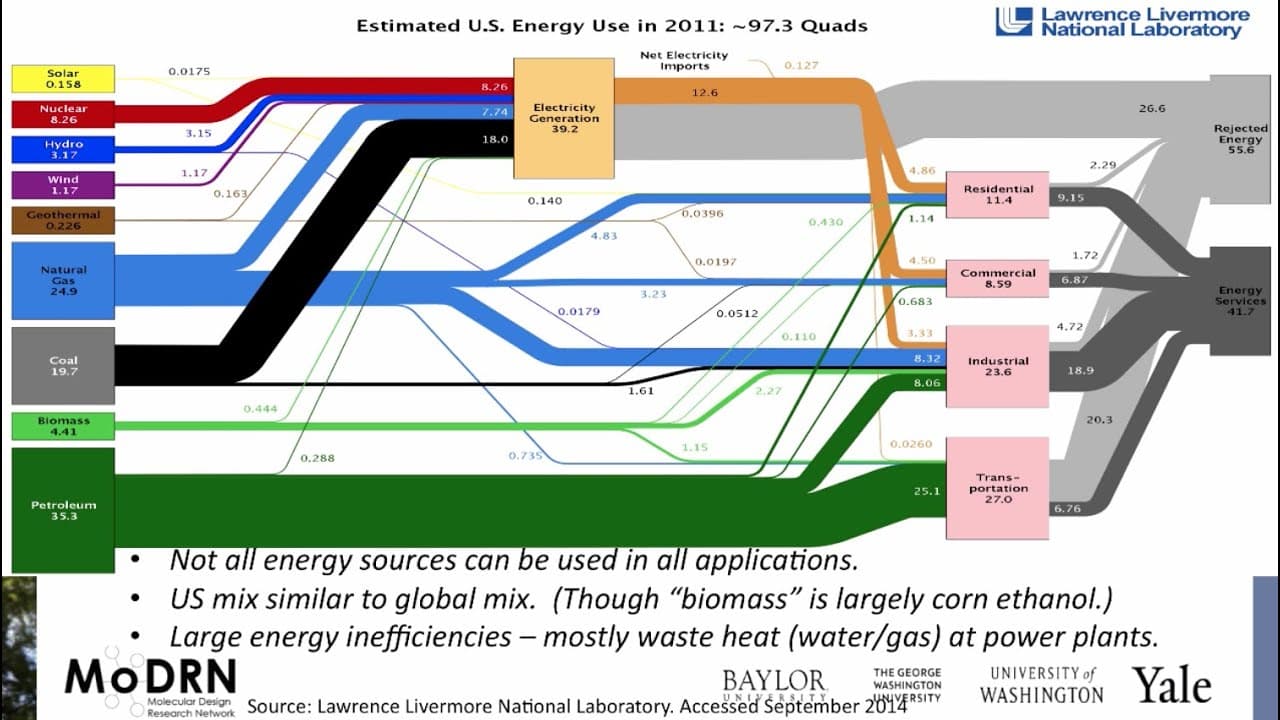
- 🥵 The majority of energy produced is wasted as heat, highlighting the inefficiency of current infrastructure.
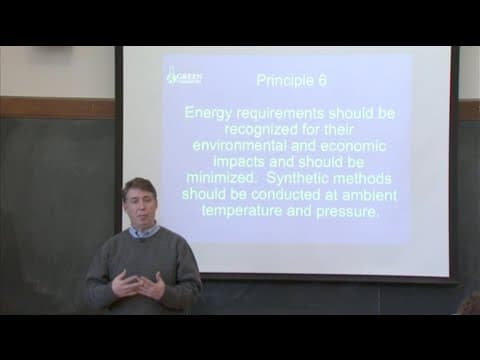
- 🤵 Chemists have a responsibility to consider the environmental impacts of their chemical choices and should aim for processes that can be conducted at room temperature and pressure.
- ☠️ Fossil resources are depleting at a rate faster than they can be replenished.
- 🥺 Extraction of crude energy materials often introduces impurities to ecosystems, leading to toxicity.
- 💦 Energy usage and water consumption are closely linked, creating a feedback cycle.
Install to Summarize YouTube Videos and Get Transcripts
Explore YouTube Video Summarizer or Get YouTube Transcript Extractor
Questions & Answers
Q: What is the responsibility of chemists in designing for energy efficiency in chemical processes?
Chemists have a responsibility to recognize the impacts that arise from their choices of chemicals and chemical processes and should aim to design processes that can be done at room temperature and pressure to promote energy efficiency.
Q: How do energy choices impact CO2 emissions?
It is widely agreed upon that energy choices lead to CO2 emissions. Fossil resources are depleting faster than they can be replenished, emphasizing the need for sustainable and energy-efficient alternatives.
Q: How does the extraction of crude energy materials contribute to toxicity and ecosystems?
Crude energy materials often contain impurities such as nitrogen and sulfur, which can be introduced to ecosystems that are not equipped to handle them, resulting in toxicity and negative impacts on the environment.
Q: Why are energy and water usage closely linked?
The energy-water connection operates in a feedback cycle, where increased energy usage requires more water, and the production of water demands more energy. These interconnected factors should be considered in designing energy-efficient processes.
Summary & Key Takeaways
-
Energy choices have significant impacts on CO2 emissions, resource depletion, toxicity, and waste generation.
-
The energy-water connection is closely linked, as increased energy use leads to higher water consumption and vice versa.
-
Despite efforts in energy conservation, the demand for energy continues to rise, with a significant amount being wasted as heat.
Read in Other Languages (beta)
Share This Summary 📚
Summarize YouTube Videos and Get Video Transcripts with 1-Click
Try YouTube Summary with ChatGPT & Claude or YouTube Transcript Generator
Explore More Summaries from YaleCourses 📚





Summarize YouTube Videos and Get Video Transcripts with 1-Click
Try YouTube Summary with ChatGPT & Claude or YouTube Transcript Generator