What Are Google's Guidelines for SEO Best Practices?
TL;DR
Google emphasizes the importance of using static sitemap files for better crawling efficiency, especially for dynamic websites. While CDNs don't harm SEO directly, they may temporarily affect crawling rates. Responsive design is recommended for mobile-first indexing, but AMP can enhance speed and caching for mobile pages. Structured data helps Google understand content but isn't a direct ranking factor.
Transcript
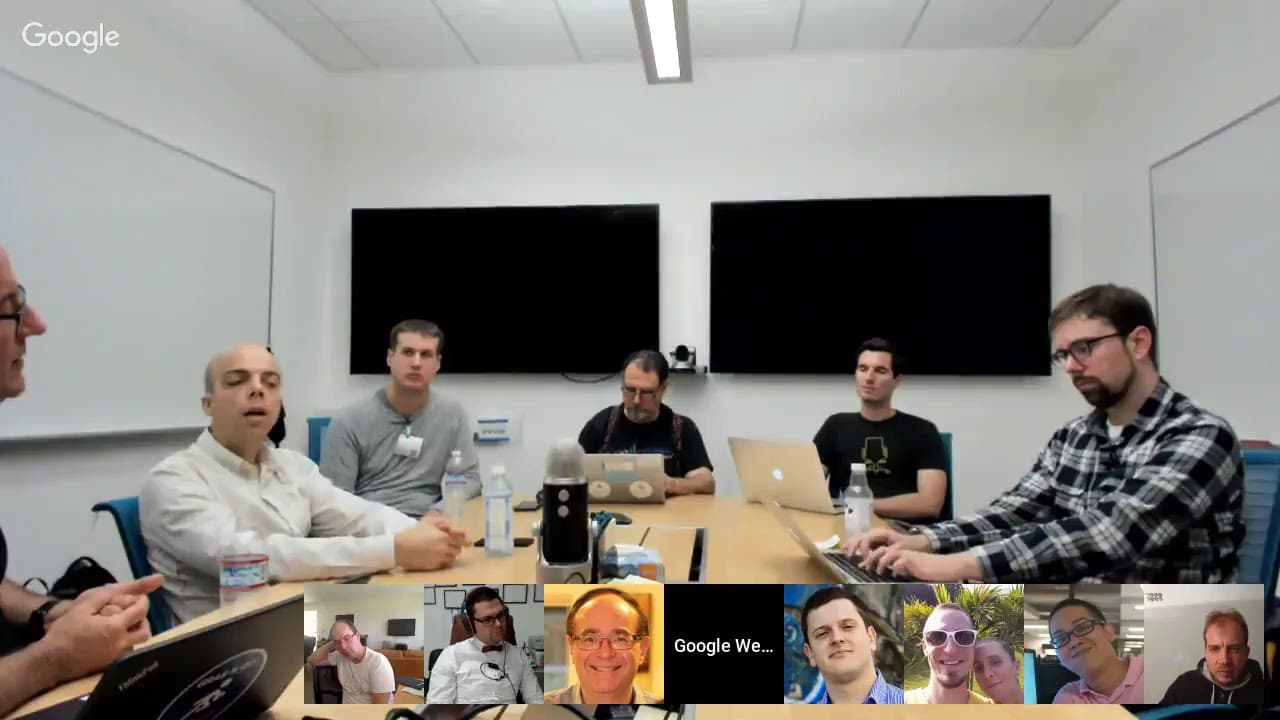
JOHN MUELLER: All right. Welcome, everyone, to today's Google Webmaster Central office hours hangout. My name is John Mueller. I'm a webmaster trends analyst at Google, usually from Switzerland, today, from Mountain View with a bunch of guests that came over to join us. Would you like to introduce yourself? JOHN VANTINE: Sure. JOHN MUELLER: Start o... Read More
Key Insights
- John Mueller emphasizes the importance of having a static sitemap file to improve crawling efficiency, especially for large websites with dynamic content.
- CDNs do not inherently damage SEO, but moving to a CDN can temporarily affect crawling as Google assesses the server's capacity.
- Mobile-first indexing benefits from responsive design, but AMP can offer speed advantages and enhanced caching for mobile pages.
- AMP is not mandatory for SEO success, but it provides a fast framework with potential benefits for mobile rankings.
- Google treats CDNs like any hosting platform, focusing on the amount that can be crawled efficiently.
- Structured data is valuable for Google to understand page content better, but not all schema markup directly impacts search results.
- Voice search optimization is still evolving, with featured snippets playing a role in voice search responses.
- Google does not use schema markup as a quality factor but recognizes entities better with it, aiding in matching user queries.
Install to Summarize YouTube Videos and Get Transcripts
Explore YouTube Video Summarizer or Get YouTube Transcript Extractor
Questions & Answers
Q: How does Google handle sitemap filenames that change daily?
John Mueller advises using a static sitemap filename to improve crawling efficiency. Changing filenames daily can confuse Googlebot, as it may not recognize which sitemaps have been crawled. Keeping URLs in the same sitemap files as much as possible is recommended.
Q: Do CDNs affect SEO rankings?
John Mueller clarifies that CDNs are treated like any hosting platform, and they do not inherently damage SEO. However, moving to a CDN can temporarily affect crawling rates as Google assesses the server's capacity to handle the load.
Q: What should be considered for mobile-first indexing?
Responsive design is preferred for mobile-first indexing as it maintains the same URL and HTML for both desktop and mobile. AMP can be beneficial for speed, but it is not mandatory. If using dynamic serving, ensure all metadata, like structured data, remains intact on mobile versions.
Q: Is AMP necessary for SEO success?
AMP is not required for SEO success, but it provides a fast framework that can improve mobile page speed. It also offers advantages like enhanced caching and potential for better mobile rankings. However, fast non-AMP pages can also perform well.
Q: How does Google treat structured data?
Structured data helps Google understand page content better and can lead to rich results in search. However, it is not used as a quality factor. Providing structured data can help Google recognize entities and improve matching user queries to content.
Q: How can a site optimize for voice search?
Optimizing for voice search is still evolving. Featured snippets are one way to provide answers for voice queries. Ensuring content is clear and answers specific questions can help. Structured data may also play a role in future voice search optimizations.
Q: Does Google use keyword density as a ranking factor?
John Mueller states that keyword density is not a useful metric for ranking. Instead, pages should mention relevant keywords naturally. Ensuring the content clearly indicates the topic or service is more important than focusing on specific keyword density.
Q: How does Google handle international sites and content duplication?
Google treats international sites separately and does not penalize for content duplication across languages. However, it's important not to dilute content value by spreading it across too many versions. Using hreflang and geotargeting can help manage international SEO effectively.
Summary & Key Takeaways
-
The hangout discussed various SEO topics, including the importance of static sitemap files for efficient crawling and the potential impacts of using CDNs on site performance. John Mueller clarified that CDNs do not harm SEO but may temporarily affect crawling rates.
-
Mobile-first indexing was a key topic, with recommendations for responsive design and AMP for speed improvements. AMP is not required for SEO but offers benefits like better caching and speed for mobile pages.
-
Structured data helps Google understand content but is not a direct ranking factor. The session also touched on voice search optimization, where featured snippets play a role, and the importance of having clearly defined keywords on pages.
Read in Other Languages (beta)
Share This Summary 📚
Summarize YouTube Videos and Get Video Transcripts with 1-Click
Try YouTube Summary with ChatGPT & Claude or YouTube Transcript Generator
Explore More Summaries from Google Search Central 📚




Summarize YouTube Videos and Get Video Transcripts with 1-Click
Try YouTube Summary with ChatGPT & Claude or YouTube Transcript Generator