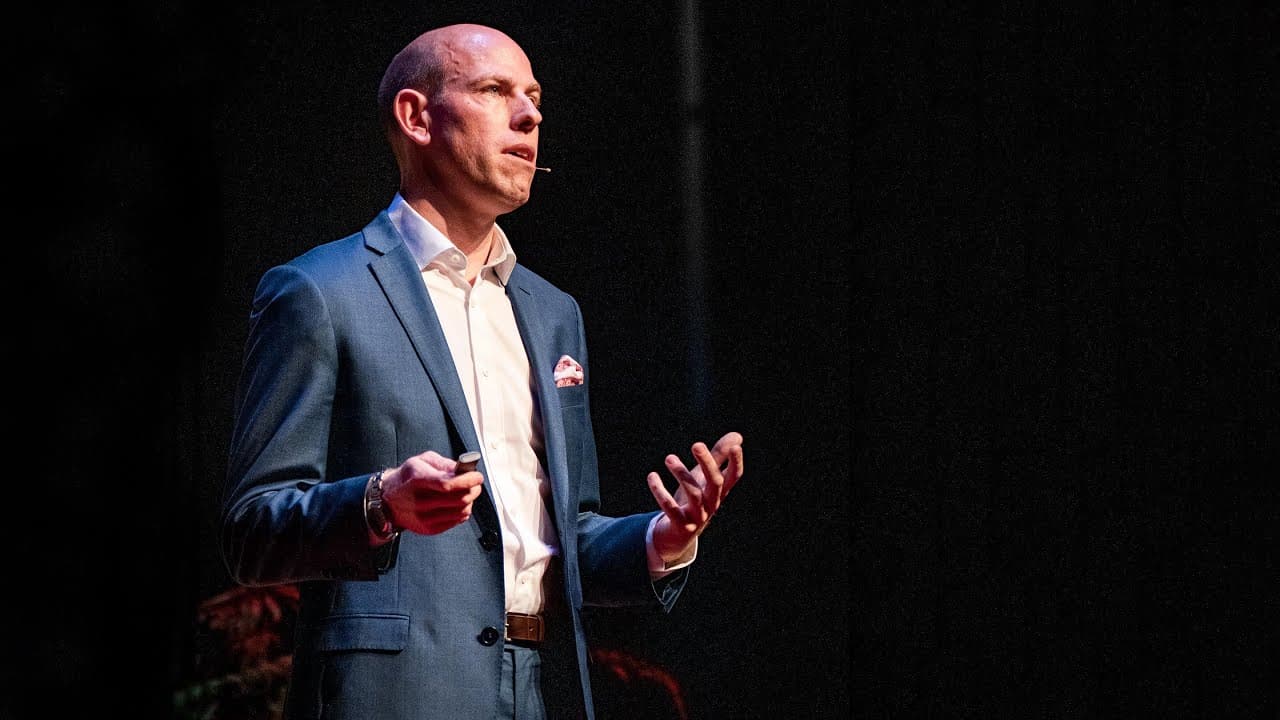
3 ways to upgrade democracy for the 21st century | Max Rashbrooke
TL;DR
This content discusses the struggles and potential solutions to the crisis of representative democracy, highlighting the need for an upgrade in democratic technology.
Transcript
Transcriber: (Māori) Kia ora koutou, everyone. I want to you today about democracy, about the struggles that it's experiencing, and the fact that all of us together in this room might be the solution. But before I get onto that, I want to take a little detour into the past. This is a picture from Athens, or more specifically, it's a picture of a p... Read More
Key Insights
- 🌍 The ancient Athenian model of democracy, despite its exclusions, was a revolutionary idea that challenged the notion of a single ruler and empowered ordinary people.
- 💻 Representative democracy emerged in the 19th century as a practical solution to the difficulty of physically gathering everyone together for decision-making.
- 🌐 The crisis of representative democracy in the 21st century is evident through challenges such as ungovernability in the UK and the rise of authoritarian leaders in Hungary and Turkey.
- 🔧 Our democratic systems have not kept pace with the expectations and potential of the modern era, leading to a lack of trust and engagement from citizens.
- 🔝 An upgrade to our democratic technology is necessary, which includes elements of everyday democracy that bring decision-making closer to people.
- 🏛️ Citizens assemblies, such as those used in Canada and Melbourne, provide opportunities for representative groups to discuss crucial public issues and come to consensus recommendations.
- 💰 Participatory budgeting allows the public to decide how a chunk of the local budget is allocated, engaging communities in making trade-offs based on their own expertise.
- 🌐 Online consensus forming platforms like Polis in Taiwan enable citizens to engage in high-quality discussions, propose solutions, and reach consensus on important issues.
Install to Summarize YouTube Videos and Get Transcripts
Explore YouTube Video Summarizer or Get YouTube Transcript Extractor
Questions & Answers
Q: What is the crisis of democracy that the speaker refers to in the video?
The crisis of democracy refers to the sense that people are losing faith in representative democracy as an effective way of governance.
Q: What does the speaker suggest as a solution to the crisis of democracy?
The speaker suggests upgrading our systems of democracy by incorporating elements of everyday democracy, such as citizens assemblies, participatory budgeting, and online consensus forming.
Q: Can you provide examples of citizens assemblies in practice?
Yes, citizens assemblies have been used in Canada to develop a national action plan on mental health and in Melbourne to create a 10-year financial plan for the city.
Q: How does participatory budgeting work?
Participatory budgeting involves giving the public the opportunity to decide on the allocation of a portion of the budget for new buildings and services. The process starts at the neighborhood level and moves up to the city level, allowing citizens to engage in discussions and make the final decisions.
Q: What is online consensus forming?
Online consensus forming involves using digital platforms to facilitate discussions and decision-making processes. An example mentioned in the video is the use of software called Polis in Taiwan to regulate the arrival of Uber, which resulted in consensus-based recommendations being accepted by both the public and the government.
Q: What is the underlying belief that binds these democratic innovations together?
The underlying belief is a faith in people's ability to come together and make informed, rational decisions. These democratic innovations provide platforms that encourage meaningful participation, deliberation, and the ability to overcome prejudices and biases.
Summary & Key Takeaways
-
The speaker discusses the history and evolution of democracy, highlighting its struggles and the need for an upgrade in democratic technology.
-
They emphasize the importance of everyday democracy, which involves increased citizen participation and deliberation in decision-making processes.
-
The speaker presents three examples of democratic upgrades: citizens assemblies, participatory budgeting, and online consensus forming, which all show the potential for a more responsive and effective form of democracy.
Read in Other Languages (beta)
Share This Summary 📚
Summarize YouTube Videos and Get Video Transcripts with 1-Click
Try YouTube Summary with ChatGPT & Claude or YouTube Transcript Generator
Explore More Summaries from TED 📚



Summarize YouTube Videos and Get Video Transcripts with 1-Click
Try YouTube Summary with ChatGPT & Claude or YouTube Transcript Generator