How to Use Stress to Your Advantage in Daily Life
TL;DR
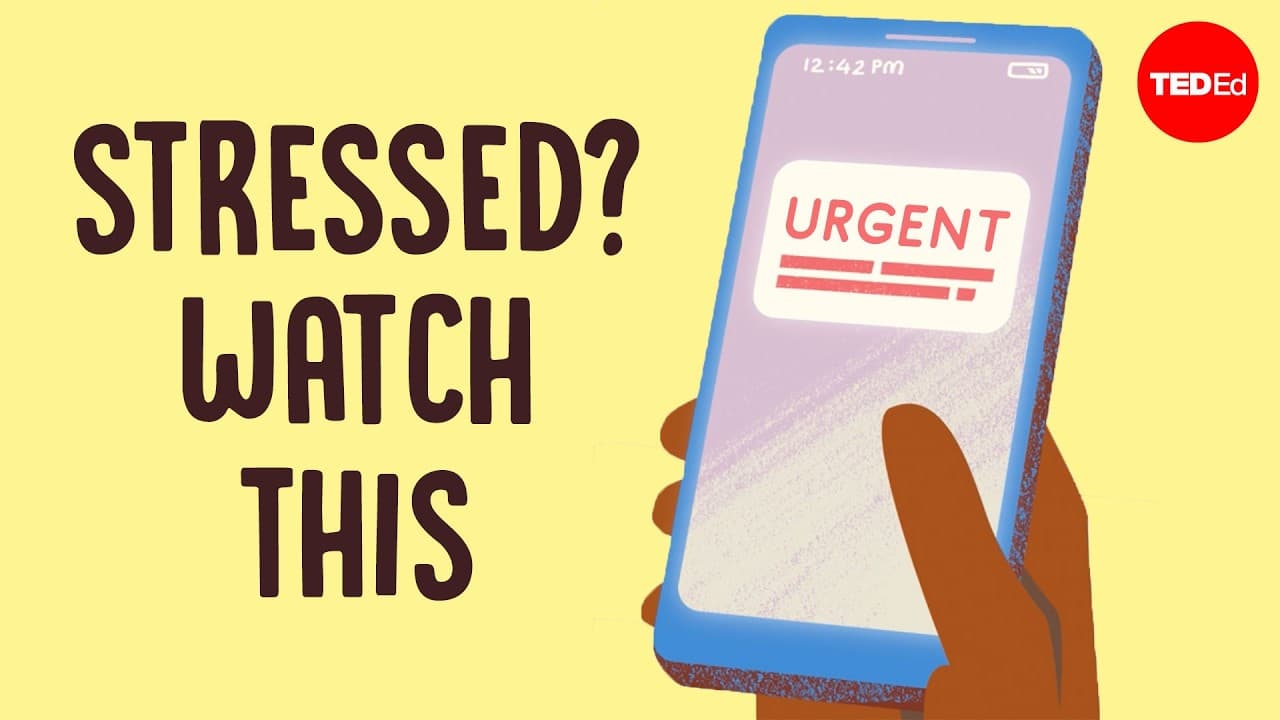
You can harness stress positively by viewing it as a motivator for performance and learning. While short-term stress can enhance focus and energy, chronic stress from daily challenges can lead to health issues. Effective management strategies include exercise, social interaction, and mindfulness practices, which help build resilience and maintain mental clarity.
Transcript
Your eyes dilate as the room snaps into focus. Fatigue dissipates, leaving heart-pounding vigilance in its wake. Your muscles tense, injected with energy. And for a moment, time seems to slow down. The reason? You clumsily dropped your tray in the middle of the cafeteria. It’s not unusual for our minds and bodies to have seemingly exaggerated resp... Read More
Key Insights
- ☠️ The fight-or-flight response is a survival mechanism that prepares the body for immediate danger by increasing heart rate and energy levels.
- 🧑⚕️ Chronic activation of the HPA-axis due to sustained stress can contribute to serious health conditions, including anxiety and cardiovascular issues.
- 🧠 Moderate stress can positively influence brain performance and learning, but excessive stress is detrimental to cognitive function.
- 🧠 Exercise not only alleviates stress but is also beneficial for neuroplasticity, fostering new brain cell growth and enhancing resilience.
- 🦺 Maintaining social connections offers psychological benefits that can diminish the perception of stress and promote a sense of safety.
- 🥺 Mindfulness practices help individuals develop emotional awareness and improve mental clarity, leading to better management of stressors.
- 🧑 The unique stress response varies from person to person based on genetic makeup, life experiences, and current circumstances.
Install to Summarize YouTube Videos and Get Transcripts
Explore YouTube Video Summarizer or Get YouTube Transcript Extractor
Questions & Answers
Q: What is the fight-or-flight response?
The fight-or-flight response is a physiological reaction triggered by perceived threats, activating the hypothalamus, pituitary gland, and adrenal glands. This response releases stress hormones like adrenaline and cortisol, preparing the body for quick reactions to dangers, which has evolved from our ancestors' need to escape life-threatening situations.
Q: How does stress impact our brain's performance?
Moderate stress can enhance cognitive performance, especially in learning. The hippocampus contains receptors for cortisol, a stress hormone, that can boost memory and learning when exposed to mild stressors. This effect is particularly evident during the teen years when the brain is adapting for exploration and learning.
Q: What are the negative consequences of chronic stress?
Chronic stress leads to the prolonged activation of the HPA-axis, which can cause various health problems including insomnia, brain fog, digestive issues, and heart disease. This occurs when the body continuously releases stress hormones due to repeated or ongoing stressors, impairing overall health and well-being.
Q: How can exercise help with stress management?
Exercise is an effective stress management tool as it stimulates the production of new neurons and enhances brain resilience to stress. Physical activity, such as running or playing sports, serves as a distraction from stressors while promoting physical health, which can lead to improved mood and decreased anxiety.
Q: What role does social interaction play in stress reduction?
Socializing can buffer stress responses by promoting the release of oxytocin, a hormone that fosters connections and reduces HPA-axis activity. Spending time with friends or loved ones can alleviate feelings of stress and provide emotional support, which is crucial for mental health.
Q: Why is mindfulness considered beneficial for stress management?
Mindfulness practices, like breathing exercises and journaling, help individuals gain insight into their thoughts and feelings, fostering a greater capacity to handle stress. These activities promote grounding in the present moment, enabling better emotional regulation and resilience against life's challenges.
Q: Can genetics influence how we experience stress?
Yes, genetics, along with environmental factors and age, significantly influences how individuals respond to stress. Some people may have a biological predisposition to heightened stress responses, affecting their health and coping mechanisms, which can lead to varying experiences of stress across different individuals.
Q: What are some quick strategies to manage stress in the moment?
Quick strategies for managing stress include deep breathing exercises, taking short breaks, engaging in physical activity, and practicing mindfulness techniques. These methods provide immediate relief, helping to refocus the mind and diminish the impact of stressors encountered throughout the day.
Summary & Key Takeaways
-
The fight-or-flight response, originally built for survival, can be triggered by everyday stressors like deadlines or embarrassing moments, leading to hormonal and physiological changes in the body.
-
While short-term stress can enhance performance and motivation, prolonged activation of the HPA-axis causes negative health effects, including insomnia and digestive issues.
-
Managing stress through exercise, socializing, and mindfulness can mitigate its adverse effects, promoting resilience and awareness in daily life.
Read in Other Languages (beta)
Share This Summary 📚
Summarize YouTube Videos and Get Video Transcripts with 1-Click
Try YouTube Summary with ChatGPT & Claude or YouTube Transcript Generator
Explore More Summaries from TED-Ed 📚



Summarize YouTube Videos and Get Video Transcripts with 1-Click
Try YouTube Summary with ChatGPT & Claude or YouTube Transcript Generator