5 Ways How Losing Weight Can Make You FATTER & Unhealthier | Mind Pump 2167
TL;DR
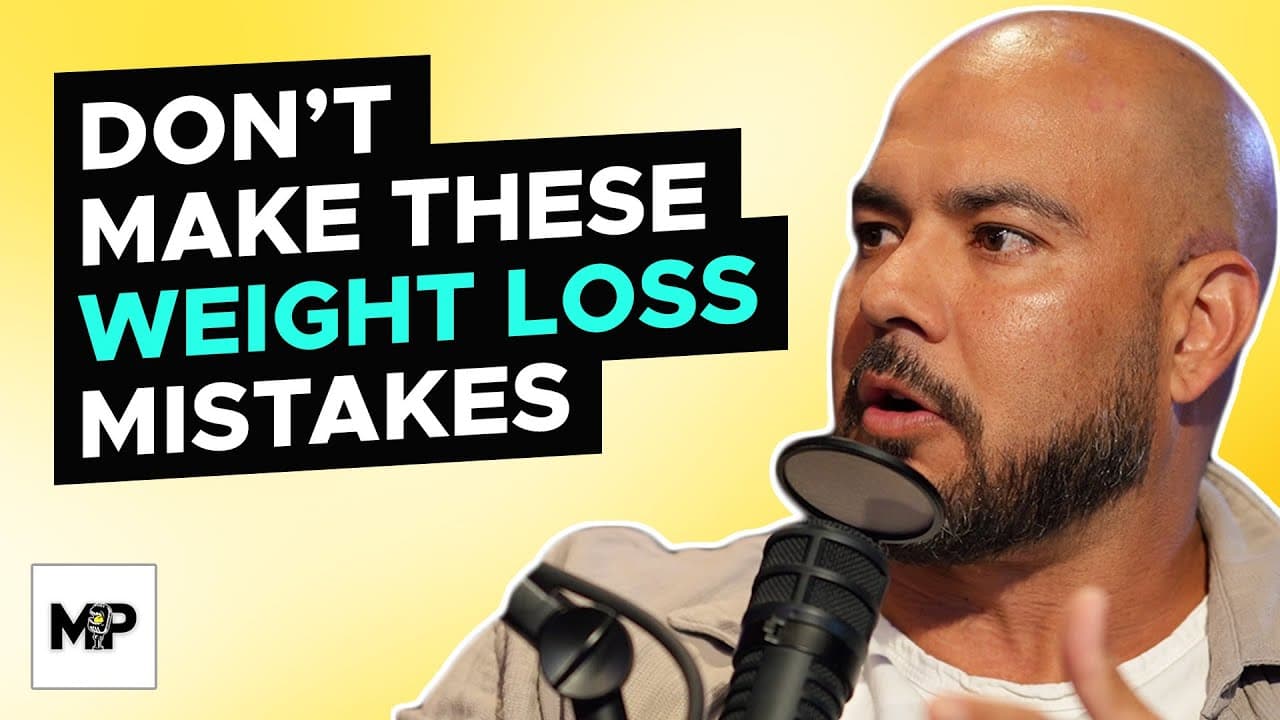
Losing weight can sometimes lead to worse health and more body fat.
Transcript
it's constantly getting hammered into us that losing weight will improve our health here's a deal that's not always true there are definitely cases where losing weight will make you fatter and more unhealthy we're here to explain how and why and then we're going to tell you how to do it the right way so today's episode how losing weight can actuall... Read More
Key Insights
- Losing weight does not always equate to better health; improper weight loss can lead to increased body fat percentage and health issues.
- Body composition is more important than the number on the scale. Losing muscle instead of fat can worsen health outcomes.
- BMI is a flawed metric as it doesn't account for muscle mass, which is a key indicator of health.
- Grip strength is a better predictor of overall health and longevity than BMI, as it reflects total body strength.
- Nutrient deficiencies are common in those who diet improperly, leading to various health issues like hormone imbalances and reduced energy.
- Sustainable weight loss requires a focus on building muscle and maintaining a balanced diet, rather than extreme calorie restriction and excessive cardio.
- Many people regain lost weight because they follow unsustainable methods that do not support long-term health.
- Dysfunctional behaviors and negative self-image can lead to unhealthy weight loss practices, making it crucial to adopt a positive mindset.
Install to Summarize YouTube Videos and Get Transcripts
Explore YouTube Video Summarizer or Get YouTube Transcript Extractor
Questions & Answers
Q: How can losing weight make you fatter?
Losing weight can make you fatter if you lose muscle mass instead of fat. This increases body fat percentage, as muscle is more metabolically active. When muscle is lost, the body's metabolism slows down, making it easier to gain fat. This often happens with extreme calorie restriction and excessive cardio, which do not preserve muscle mass.
Q: What is the problem with using BMI as a health metric?
BMI is a flawed health metric because it does not account for muscle mass. It only measures weight relative to height, which can misclassify muscular individuals as overweight or obese. Muscle is a key indicator of health and longevity, so relying solely on BMI can lead to incorrect health assessments and misguided weight loss goals.
Q: Why is grip strength a better health predictor than BMI?
Grip strength is a better health predictor than BMI because it reflects overall body strength and muscle mass. Studies show that grip strength is linked to lower risks of all-cause mortality, cardiovascular diseases, and cancer. It indicates a person's functional fitness and ability to perform daily activities, making it a more comprehensive health metric.
Q: What are the dangers of nutrient deficiencies during weight loss?
Nutrient deficiencies during weight loss can lead to serious health issues such as hormone imbalances, weakened immune system, and reduced energy levels. Essential nutrients like proteins, fats, vitamins, and minerals are crucial for bodily functions. A diet lacking these can cause anxiety, depression, and physical symptoms like hair loss and skin problems, undermining overall health.
Q: How can one achieve sustainable weight loss?
Sustainable weight loss can be achieved by focusing on building muscle and maintaining a balanced diet rather than extreme calorie restriction and excessive cardio. Building muscle increases metabolism, allowing for more calorie intake without weight gain. A balanced diet ensures adequate nutrient intake, preventing deficiencies and supporting overall health, making the weight loss journey more sustainable.
Q: What role does mindset play in weight loss?
Mindset plays a crucial role in weight loss. Approaching weight loss with a positive mindset and self-care focus leads to healthier behaviors and long-term success. Negative self-image and dysfunctional behaviors, like using exercise as punishment, can lead to unsustainable practices and eventual weight regain. A positive mindset fosters enjoyment and sustainability in healthy habits.
Q: What are the signs of dysfunctional weight loss behaviors?
Signs of dysfunctional weight loss behaviors include using exercise as punishment, extreme calorie restriction, negative self-talk, and an obsession with scale weight rather than overall health. These behaviors often lead to unsustainable practices, nutrient deficiencies, and negative health outcomes. It's important to focus on self-care and a balanced approach to health and fitness.
Q: Why is it important to feel healthier, not just look better, during weight loss?
Feeling healthier, not just looking better, is important during weight loss because true health improvements manifest in increased energy, better sleep, improved mood, and overall well-being. Focusing solely on appearance can lead to unhealthy practices and neglect of essential health markers. Healthier approaches ensure that weight loss enhances quality of life and long-term health.
Summary & Key Takeaways
-
Losing weight in an unhealthy manner can lead to increased body fat percentage and various health issues. It's vital to focus on body composition rather than just the scale.
-
BMI is not a reliable health metric as it doesn't account for muscle mass. Grip strength is a better health predictor, indicating total body strength.
-
Nutrient deficiencies and unsustainable weight loss methods often lead to regaining weight. Building muscle and maintaining a balanced diet is key to sustainable health.
Read in Other Languages (beta)
Share This Summary 📚
Summarize YouTube Videos and Get Video Transcripts with 1-Click
Try YouTube Summary with ChatGPT & Claude or YouTube Transcript Generator
Explore More Summaries from Mind Pump Show 📚



Summarize YouTube Videos and Get Video Transcripts with 1-Click
Try YouTube Summary with ChatGPT & Claude or YouTube Transcript Generator