What Really Matters at the End of Life According to BJ Miller
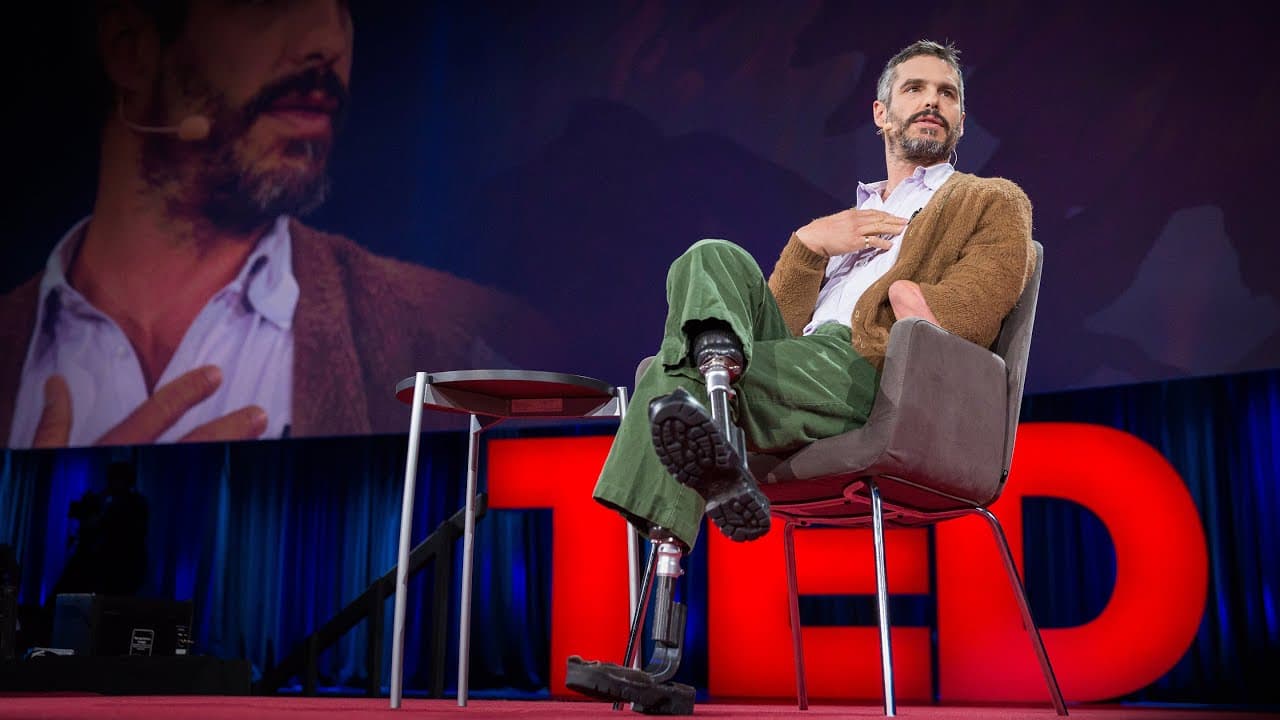
TL;DR
At the end of life, the focus should be on minimizing unnecessary suffering and enhancing dignity through sensory experiences. By redesigning healthcare to better address the needs of dying patients, we can create a compassionate and meaningful end-of-life experience that emphasizes well-being and human connection.
Transcript
Well, we all need a reason to wake up. For me, it just took 11,000 volts. I know you're too polite to ask, so I will tell you. One night, sophomore year of college, just back from Thanksgiving holiday, a few of my friends and I were horsing around, and we decided to climb atop a parked commuter train. It was just sitting there, with the wires that ... Read More
Key Insights
- 🤔 Healthcare was designed with diseases, not people, at its center, leading to a system that does not always serve patients.
- 😷 The American healthcare system has its fair share of dysfunction and requires a redesign to better serve patients.
- 💡 Design thinking can be applied to the end of life experience to bring intention and creativity to the process of dying.
- 💀 The scariest thing about death is the suffering that comes with it, and it is important to distinguish between necessary suffering and suffering that can be changed.
- 🏥 Hospitals are not designed for living and dying, and there is a need for a more humane approach to end-of-life care.
- ❄️ Small moments of beauty and sensory experiences can bring joy and meaning to the end of life, and should be incorporated into care.
- 🌟 Rather than just focusing on reducing suffering, healthcare should aim to improve overall well-being and make life more wonderful.
- ⚗️ Death cannot be solved for, but it can be designed for, allowing for a process of crescendo and finding beauty and meaning in what life is left.
Install to Summarize YouTube Videos and Get Transcripts
Explore YouTube Video Summarizer or Get YouTube Transcript Extractor
Questions & Answers
Q: How does the current healthcare system fail dying patients?
The current healthcare system often fails dying patients because it was primarily designed to treat diseases rather than to meet the needs of individuals at the end of life. This system-centric approach can lead to unnecessary suffering and a lack of compassion and dignity in care.
Q: What is the role of design thinking in improving end-of-life care?
Design thinking can play a crucial role in improving end-of-life care by shifting the focus from disease-centered to patient-centered care. By integrating intention, creativity, and empathy into the design of healthcare systems, we can create an experience that prioritizes patient well-being, dignity, and the senses.
Q: How can unnecessary suffering be minimized in end-of-life care?
Unnecessary suffering can be minimized in end-of-life care by distinguishing between necessary suffering, which is a natural part of life, and unnecessary suffering, which serves no purpose. By relieving unnecessary suffering and providing comfort, support, and existential peace, caregivers can create a more compassionate and meaningful experience for patients.
Q: What are some design cues for improving end-of-life care?
One design cue is to prioritize relieving suffering and avoiding adding to it. Another design cue is to focus on the senses and aesthetic realm to enhance dignity and well-being. Finally, setting sights on well-being and approaching healthcare through a patient or human-centered model can make life and healthcare more wonderful for those at the end of life.
Q: How can design thinking benefit individuals living with chronic and terminal illnesses?
Design thinking can benefit individuals living with chronic and terminal illnesses by considering their unique needs, desires, and priorities. By creating interventions that provide sensory delights, evoke feelings of connection, and prioritize personal choices and quality of life, design can greatly enhance the experiences of those facing complex health challenges.
Summary & Key Takeaways
-
Healthcare was designed with diseases, not people, at the center, leading to a system that doesn't always serve patients effectively.
-
The distinction between necessary suffering and unnecessary suffering is crucial in providing compassionate care.
-
By focusing on dignity, the senses, and well-being, we can design a better experience for those at the end of life.
Read in Other Languages (beta)
Share This Summary 📚
Summarize YouTube Videos and Get Video Transcripts with 1-Click
Try YouTube Summary with ChatGPT & Claude or YouTube Transcript Generator
Explore More Summaries from TED 📚



Summarize YouTube Videos and Get Video Transcripts with 1-Click
Try YouTube Summary with ChatGPT & Claude or YouTube Transcript Generator