5 STEPS To Recover From Overtraining | Mind Pump 2312
TL;DR
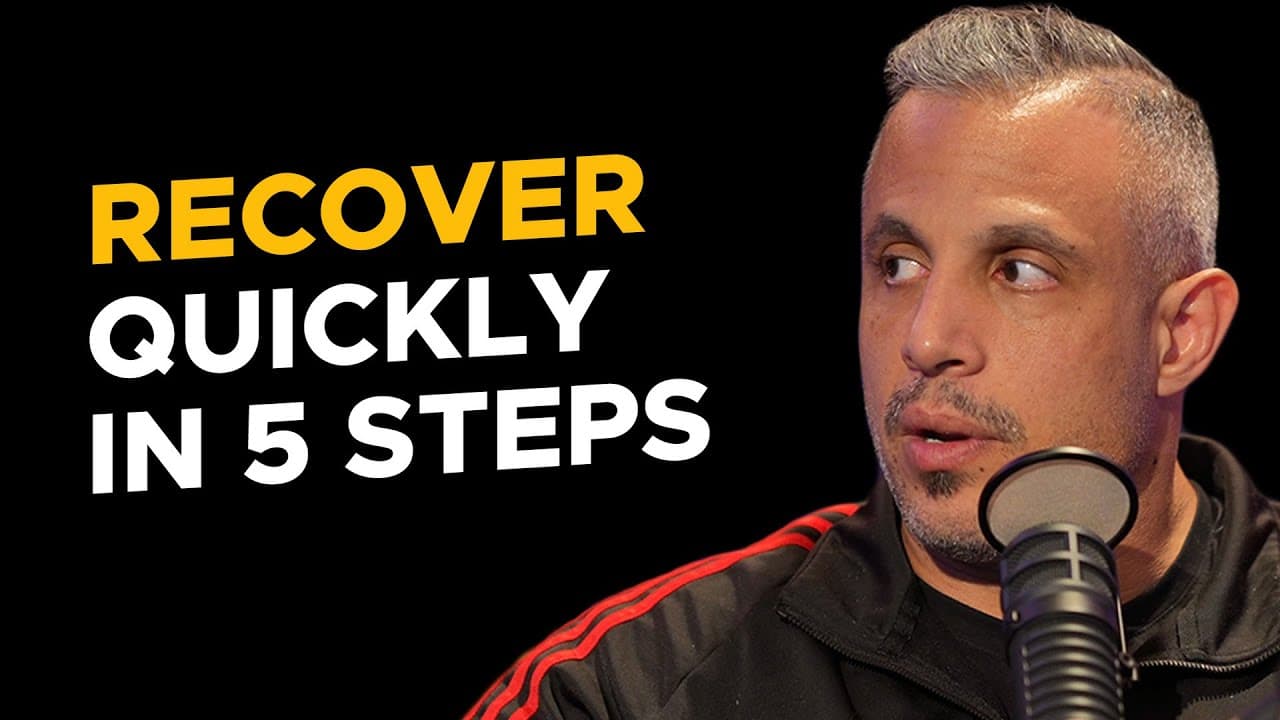
Learn five steps to effectively recover from overtraining.
Transcript
one of the most frustrating things you can encounter when you're a consistent Fitness fanatic is overtraining almost everybody who works out religiously will run into this problem today's episode we're going to talk about the five steps you can take to bounce right back this is a good one because we' we've actually been talking a lot I feel like ab... Read More
Key Insights
- Overtraining occurs when exercise exceeds optimal levels, leading to reduced progress and potential regression.
- Recovery is different from adaptation; recovery restores the body, while adaptation leads to progress.
- Signs of overtraining include stalled progress, sleep disturbances, increased cravings, and decreased performance.
- Consistency in workouts is more important than intensity; maintaining a sustainable routine prevents overtraining.
- Taking a complete week off from intense workouts can significantly aid recovery from overtraining.
- Optimizing sleep and reducing caffeine intake are crucial steps in recovering from overtraining.
- Increasing calorie and protein intake supports tissue repair and recovery during the overtraining recovery phase.
- Upon returning to exercise, start with half the volume and gradually increase to avoid falling back into overtraining.
Install to Summarize YouTube Videos and Get Transcripts
Explore YouTube Video Summarizer or Get YouTube Transcript Extractor
Questions & Answers
Q: What is the difference between recovery and adaptation in fitness?
Recovery refers to the process of restoring the body to its previous state after stress from exercise, while adaptation is the body's way of progressing and improving in response to consistent training. Recovery heals the damage, whereas adaptation leads to enhanced performance and muscle growth.
Q: What are common signs of overtraining?
Common signs of overtraining include stalled progress in workouts, difficulty sleeping, increased cravings for unhealthy foods, decreased libido, general fatigue, joint pain, and a lack of improvement in strength or performance. These symptoms indicate that the body is struggling to cope with the stress of excessive exercise.
Q: Why is consistency more important than intensity in workouts?
Consistency is more important than intensity because it ensures a sustainable and balanced approach to fitness, preventing burnout and overtraining. Regular, moderate exercise helps maintain progress and adaptation, whereas excessive intensity can lead to injury, fatigue, and stalled progress due to overtraining.
Q: How does taking a week off help in recovering from overtraining?
Taking a week off from intense exercise allows the body to fully recover from accumulated stress and fatigue. It provides the necessary time for muscles to heal and adapt, restoring energy levels and improving performance. This break helps prevent further damage and facilitates a stronger return to training.
Q: What role does sleep play in recovering from overtraining?
Sleep plays a crucial role in recovering from overtraining as it is the primary time for the body to repair and regenerate tissues. Quality sleep enhances hormone regulation, reduces inflammation, and restores energy levels. Prioritizing good sleep hygiene can significantly accelerate recovery and improve overall performance.
Q: How can increasing calorie and protein intake aid recovery from overtraining?
Increasing calorie and protein intake provides the necessary nutrients for tissue repair and muscle growth. Protein supplies amino acids essential for rebuilding muscles, while additional calories support energy needs and recovery processes. This nutritional support helps the body recover more effectively from the stress of overtraining.
Q: What is the recommended approach when returning to exercise after overtraining?
When returning to exercise after overtraining, it's recommended to start with half the usual volume, focusing on fewer sets, reps, and weight. This gradual approach allows the body to readjust without overwhelming it, promoting sustainable progress and preventing a return to overtraining.
Q: Why is it important to incrementally increase exercise volume after recovering from overtraining?
Incrementally increasing exercise volume after recovering from overtraining is important to avoid overwhelming the body and to ensure sustainable progress. Gradual increases in sets, reps, and weight allow the body to adapt effectively, reducing the risk of injury and ensuring long-term improvements in strength and performance.
Summary & Key Takeaways
-
Overtraining is a common issue among fitness enthusiasts, often resulting from exceeding optimal exercise levels. This episode discusses the importance of understanding the difference between recovery and adaptation, emphasizing that recovery restores the body while adaptation leads to progress.
-
Key signs of overtraining include stalled progress, sleep disturbances, cravings, and decreased performance. Consistency in workouts is more beneficial than intensity, and maintaining a sustainable routine helps prevent overtraining.
-
To recover from overtraining, it's advised to take a complete week off from intense workouts, optimize sleep, reduce caffeine intake, and increase calorie and protein consumption. Upon resuming exercise, start with half the volume and gradually increase to avoid returning to overtraining.
Read in Other Languages (beta)
Share This Summary 📚
Summarize YouTube Videos and Get Video Transcripts with 1-Click
Try YouTube Summary with ChatGPT & Claude or YouTube Transcript Generator
Explore More Summaries from Mind Pump Show 📚





Summarize YouTube Videos and Get Video Transcripts with 1-Click
Try YouTube Summary with ChatGPT & Claude or YouTube Transcript Generator