Persistent myths and misconceptions in science
TL;DR
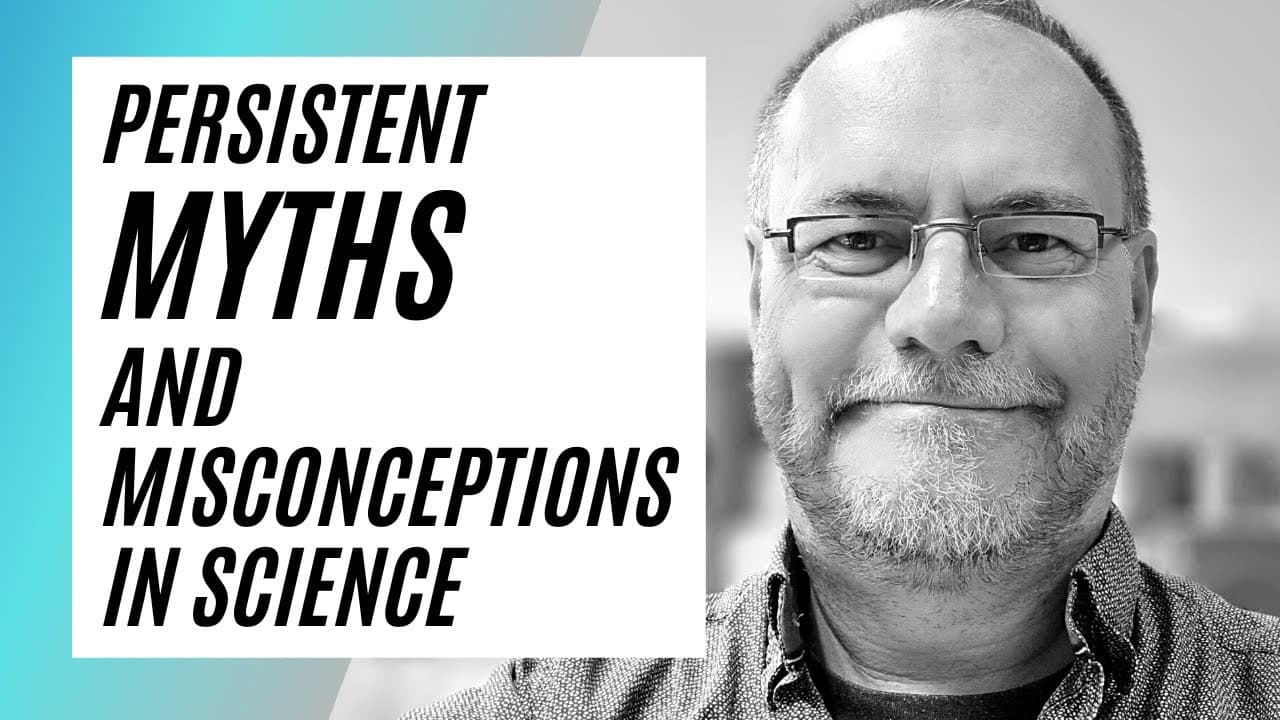
The video discusses the persistence of myths and misconceptions in science, their impact on research and public perception, and the importance of critically questioning commonly held beliefs.
Transcript
lately I want to talk about myths and misconceptions in science that tend to persist basically the background for this is that I've recently read some papers I'm gonna give the citation in the comments in the description um that listed some common misconceptions for example one in my field of mycorrhizal ecology and one that was more in microbiome ... Read More
Key Insights
- 👨🔬 Common myths and misconceptions in science can hinder research progress and waste resources.
- 🔬 Misconceptions can create confusion and damage the reputation of science in the public domain.
- 🥹 Researchers should regularly question commonly held beliefs to ensure accurate scientific knowledge.
- ❓ Debunking misconceptions can be a career boost and contribute to scientific progress.
- ❓ Myths persist due to their simplicity and appeal, often overshadowing more nuanced truths.
- 🧑🔬 Scientists often rely on previously established knowledge, making it impossible to question every statement.
- 😷 Asking "what if this is not true" is important but often neglected in scientific inquiry.
Install to Summarize YouTube Videos and Get Transcripts
Explore YouTube Video Summarizer or Get YouTube Transcript Extractor
Questions & Answers
Q: Why is it important to critically question commonly held beliefs in science?
Critically questioning commonly held beliefs is crucial to prevent wasted research efforts and hindered scientific progress. It ensures that a research field or topic is prioritized based on its actual importance and potential impact.
Q: How do myths and misconceptions in science affect public perception?
Myths and misconceptions, once in the public domain, can create confusion and contradicting information, impacting the public's understanding of scientific concepts. This can harm the reputation of science and lead to skepticism or misunderstanding.
Q: Can debunking a commonly held misconception be beneficial for a scientist's career?
Yes, debunking a widely held misconception can be a career boost. By challenging commonly accepted beliefs and presenting evidence to the contrary, a scientist establishes themselves as a critical thinker and contributes to the progress of their field.
Q: Why do myths and misconceptions persist in science?
Myths and misconceptions often persist because they present simple and appealing stories that capture people's imagination. Additionally, in the scientific realm, these misconceptions can be perpetuated through citations and repeated discussions, making them appear confirmed.
Summary & Key Takeaways
-
The video highlights common myths and misconceptions in mycorrhizal ecology and microbiome research, emphasizing their prevalence in both scientific and public perception.
-
It explains the importance of critically checking widely accepted beliefs to avoid wasted research efforts and the hindrance of scientific progress.
-
The video also explores how misconceptions can create confusion in the public domain, affecting the reputation of science and the perception of its importance.
Read in Other Languages (beta)
Share This Summary 📚
Summarize YouTube Videos and Get Video Transcripts with 1-Click
Try YouTube Summary with ChatGPT & Claude or YouTube Transcript Generator
Explore More Summaries from Life in academia 📚

Summarize YouTube Videos and Get Video Transcripts with 1-Click
Try YouTube Summary with ChatGPT & Claude or YouTube Transcript Generator