What Causes Coral Bleaching and Its Impact?
TL;DR
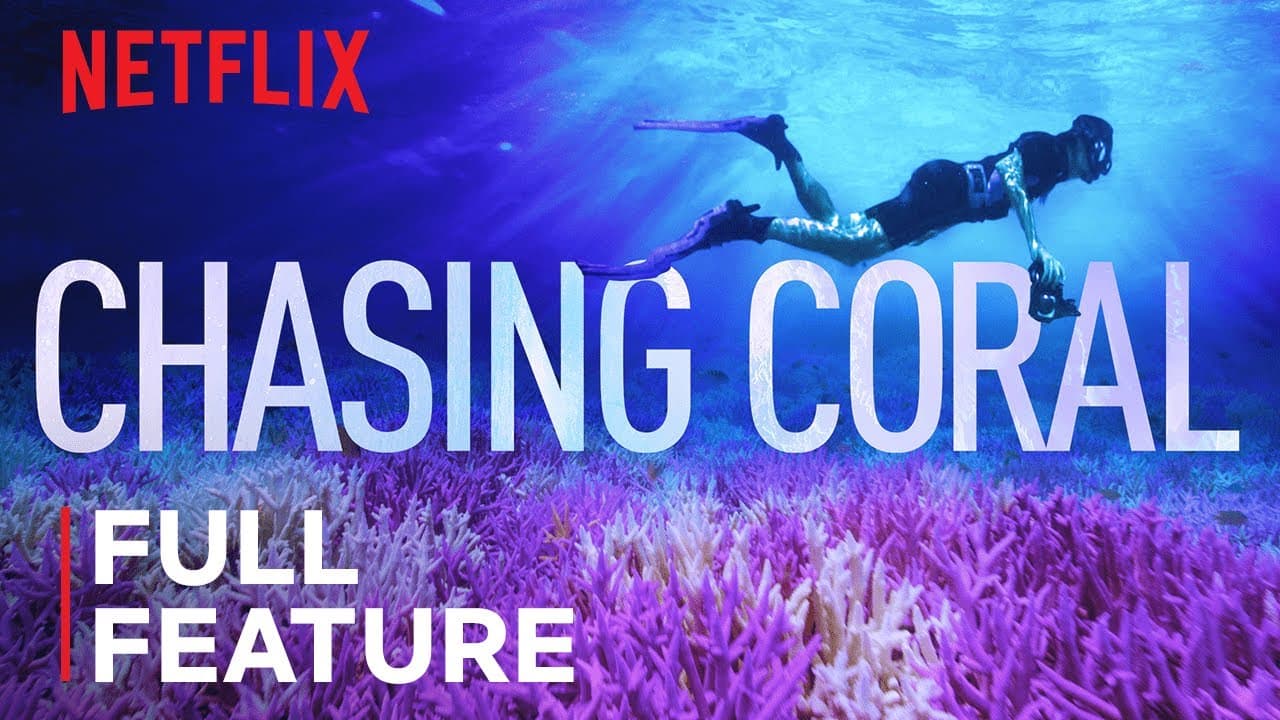
Coral bleaching, primarily caused by rising ocean temperatures due to climate change, threatens marine ecosystems vital for human survival. This documentary showcases efforts to document this crisis and the critical role coral reefs play in supporting millions of people around the world. It highlights the urgent need for awareness and action to protect these essential environments.
Transcript
[Vevers] I've always been drawn to the magic of the ocean. It feels like time slows down. Most people stare up into space with wonder. Yet, we have this almost-alien world on our own planet... just teeming with life. But it's a world most people never explore. [man 1] Richard Vevers is documenting the oceans' reefs the same way Google maps out stre... Read More
Key Insights
- The ocean is a largely unexplored world teeming with life, crucial for human sustenance and environmental balance.
- Richard Vevers transitioned from advertising to ocean conservation, aiming to raise awareness about coral reef degradation.
- Coral reefs support over 500 million people globally through food and income, highlighting their economic importance.
- The XL Catlin Seaview Survey seeks to document and reveal the state of the world’s oceans to a global audience.
- Coral bleaching is a severe consequence of rising ocean temperatures, akin to a human fever, leading to potential coral death.
- Corals have a symbiotic relationship with microalgae, which is disrupted during bleaching, causing starvation.
- The Great Barrier Reef has lost 29% of its coral due to recent bleaching events, a catastrophic environmental loss.
- There is an urgent need to communicate the impact of climate change on coral reefs to spur global action and change.
Install to Summarize YouTube Videos and Get Transcripts
Explore YouTube Video Summarizer or Get YouTube Transcript Extractor
Questions & Answers
Q: What inspired Richard Vevers to focus on ocean conservation?
Richard Vevers, originally from the advertising industry, was inspired to focus on ocean conservation after observing the disappearance of weedy seadragons, one of his favorite marine creatures. This personal experience highlighted the broader issue of ocean degradation, which he recognized as being 'out of sight, out of mind.' He realized that raising awareness about these issues was crucial, likening it to an advertising problem.
Q: How does coral bleaching occur and why is it significant?
Coral bleaching occurs when corals, stressed by environmental changes such as increased ocean temperatures, expel the symbiotic algae living in their tissues. This results in the coral turning white and losing its primary food source, leading to starvation and potentially death. This process is significant because it threatens the survival of coral reefs, which are critical to marine biodiversity and provide essential resources and protection for human populations.
Q: What were the main challenges faced by the team in documenting coral bleaching?
The team faced numerous challenges in documenting coral bleaching, including technical malfunctions with their time-lapse cameras, harsh environmental conditions, and the unpredictability of bleaching events. The complexity of designing underwater camera systems that could withstand long-term submersion and capture clear images was a significant hurdle. Additionally, they had to make quick decisions to relocate and manually capture footage when initial plans failed.
Q: Why are coral reefs important to human populations?
Coral reefs are vital to human populations as they support over 500 million people worldwide by providing food, income, and coastal protection. They serve as nurseries for many marine species, ensuring biodiversity and sustaining fisheries. Reefs also act as natural breakwaters, reducing the impact of waves and storms on coastal communities. Moreover, they are a source of potential medical discoveries, with many marine organisms offering compounds for drug development.
Q: What is the connection between climate change and coral bleaching?
Climate change is directly linked to coral bleaching through the increase in ocean temperatures caused by global warming. As fossil fuels burn, carbon dioxide is released into the atmosphere, trapping heat and raising global temperatures. The ocean absorbs much of this heat, leading to prolonged periods of elevated water temperatures that stress corals and trigger bleaching events. This process reflects the broader impact of climate change on marine ecosystems.
Q: What role did technology play in the documentary's efforts to capture coral bleaching?
Technology played a crucial role in the documentary's efforts, with the development of specialized time-lapse cameras designed to capture the gradual process of coral bleaching. These cameras were equipped with features like wiper systems to keep lenses clear underwater. Despite technical challenges, such as focus issues and environmental pressures, the team adapted by conducting manual time-lapses, highlighting both the potential and limitations of technology in environmental documentation.
Q: How does the documentary suggest addressing the issue of coral reef decline?
The documentary suggests addressing coral reef decline through increased global awareness and action on climate change. It emphasizes the need for a 'great transformation' towards sustainable practices, reducing carbon emissions, and protecting marine ecosystems. The film advocates for leveraging technology, creativity, and collaboration across disciplines to drive change. It also highlights the importance of education and community involvement in conservation efforts to ensure long-term solutions.
Q: What emotional impact did the project have on the team involved?
The project had a profound emotional impact on the team, as they witnessed firsthand the devastation of coral bleaching. The transition from observing vibrant coral ecosystems to barren, lifeless reefs was deeply affecting, leading to feelings of frustration and helplessness. However, the experience also reinforced their commitment to raising awareness and driving change, as they recognized the urgency of the situation and the potential for their work to inspire global action.
Summary & Key Takeaways
-
Chasing Coral documents the alarming rate of coral bleaching worldwide, driven by rising ocean temperatures. It follows a team of divers, scientists, and filmmakers as they attempt to capture this phenomenon through innovative time-lapse photography. The film underscores the critical role coral reefs play in marine ecosystems and the dire consequences of their decline.
-
The documentary highlights the efforts of Richard Vevers, who shifted from a career in advertising to ocean conservation, recognizing coral bleaching as an 'advertising issue' due to its invisibility to the public. The film showcases the technical and environmental challenges faced by the team in capturing the bleaching events.
-
Chasing Coral emphasizes the interconnectedness of ocean health and human survival, illustrating how coral reefs provide food, income, and coastal protection for millions. Despite the challenges, the film ends on a hopeful note, advocating for global awareness and action to combat climate change and preserve these vital ecosystems.
Read in Other Languages (beta)
Share This Summary 📚
Summarize YouTube Videos and Get Video Transcripts with 1-Click
Try YouTube Summary with ChatGPT & Claude or YouTube Transcript Generator
Explore More Summaries from Netflix 📚



Summarize YouTube Videos and Get Video Transcripts with 1-Click
Try YouTube Summary with ChatGPT & Claude or YouTube Transcript Generator