How Is the World Addressing the Water Crisis?
TL;DR
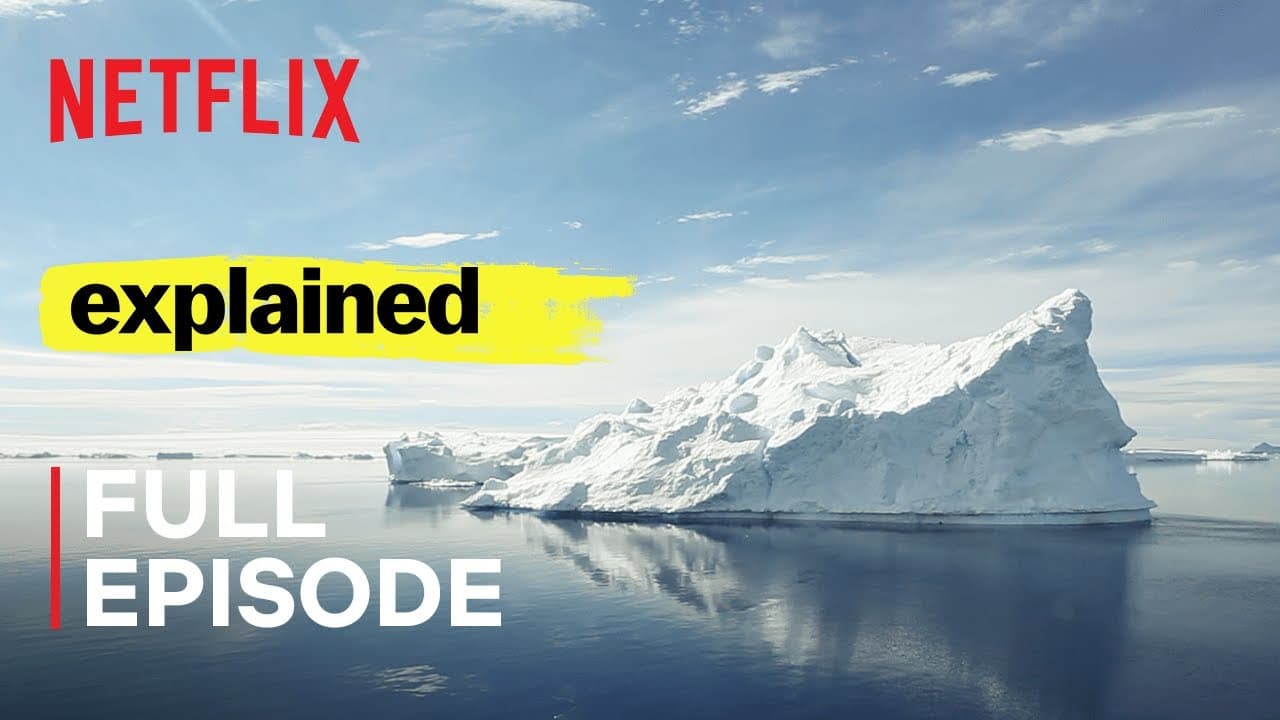
The global water crisis poses an urgent threat, with cities like Cape Town nearing 'Day Zero' due to unsustainable consumption and climate factors. This episode highlights the need for better water management practices and equitable access, urging immediate action to prevent severe shortages worldwide.
Transcript
[narrator] Turn on a faucet and clean water rushes out, as much as we want, anytime we want. It's easy to forget that the quest for this has been one of the defining struggles of human history. Civilizations that harnessed water, thrived. The ones that failed... fell. Today, seven in ten people on Earth can count on having running water in ... Read More
Key Insights
- Access to clean water has been a pivotal factor in the success and failure of civilizations throughout history.
- Cape Town and other major cities are approaching a 'Day Zero' scenario where water will be scarce unless consumption habits change.
- Despite Earth's abundant water, only 1% is accessible for human use, with the rest trapped in ice or being salty.
- Water scarcity is exacerbated by climate change, growing populations, and inefficient water use in agriculture and industry.
- The true cost of water is not reflected in consumer prices, leading to wasteful practices and unsustainable agricultural choices.
- Desalination is a potential solution but remains expensive and energy-intensive, making it less viable without higher water valuation.
- Water scarcity can lead to conflict, as seen in regions like Darfur and Syria, where access to water resources is contested.
- Efforts to conserve water, as demonstrated by Cape Town, can significantly delay critical shortages if implemented effectively.
Install to Summarize YouTube Videos and Get Transcripts
Explore YouTube Video Summarizer or Get YouTube Transcript Extractor
Questions & Answers
Q: Why is Cape Town mentioned as a significant example in the water crisis?
Cape Town is highlighted because it was one of the first major cities to face an imminent 'Day Zero,' where water supplies would be shut off due to severe drought. This situation underscores the urgent need for cities to manage water resources sustainably to avoid similar crises.
Q: How does climate change impact water availability?
Climate change affects water availability by altering precipitation patterns, leading to more erratic rainfall and extended dry periods. This unpredictability makes it challenging to rely on traditional water sources like rain and snow for agriculture and replenishing water bodies, exacerbating water scarcity.
Q: What role does agriculture play in water consumption?
Agriculture is a major consumer of water, accounting for a significant portion of freshwater use. Crops and livestock require substantial water resources, and inefficient irrigation methods further exacerbate the problem. The episode highlights the need for more sustainable agricultural practices to conserve water.
Q: Why is water not priced according to its true value?
Water is often priced low because it is treated as an abundant resource, leading to wasteful consumption. The true cost of water, including its scarcity and the environmental impact of its use, is not reflected in consumer prices, resulting in unsustainable practices.
Q: What are the potential consequences of water scarcity?
Water scarcity can lead to conflicts over resources, as seen in regions like Darfur and Syria. It can also result in economic challenges, as industries reliant on water may face higher costs or collapse. Additionally, it poses a threat to public health and food security.
Q: How can desalination contribute to solving the water crisis?
Desalination can provide an alternative source of freshwater by converting seawater into drinkable water. However, the process is currently expensive and energy-intensive, limiting its widespread adoption. Advancements in technology could make desalination more viable in the future.
Q: What actions can individuals take to conserve water?
Individuals can conserve water by adopting practices like using water-efficient appliances, reducing meat consumption, and being mindful of water usage in daily activities. Public awareness and education are crucial in promoting water conservation at the household level.
Q: Why is valuing water appropriately important for future sustainability?
Valuing water appropriately ensures that its use is efficient and sustainable, encouraging conservation and investment in infrastructure. It also helps to balance the need for economic development with environmental preservation, ensuring that all people have access to this vital resource.
Summary & Key Takeaways
-
The global water crisis is a pressing issue as many cities face potential water shortages, known as 'Day Zero,' unless consumption patterns change. The episode highlights the disparity in water availability and the need for sustainable management.
-
Water scarcity is driven by a combination of climate change, population growth, and inefficient water use in agriculture and industry. The episode explores how water is undervalued, leading to wasteful practices and potential conflicts over resources.
-
Solutions like desalination are explored, but they remain costly and energy-intensive. The episode emphasizes the importance of valuing water appropriately to encourage conservation and sustainable practices, while ensuring access as a human right.
Read in Other Languages (beta)
Share This Summary 📚
Summarize YouTube Videos and Get Video Transcripts with 1-Click
Try YouTube Summary with ChatGPT & Claude or YouTube Transcript Generator
Explore More Summaries from Netflix 📚



Summarize YouTube Videos and Get Video Transcripts with 1-Click
Try YouTube Summary with ChatGPT & Claude or YouTube Transcript Generator