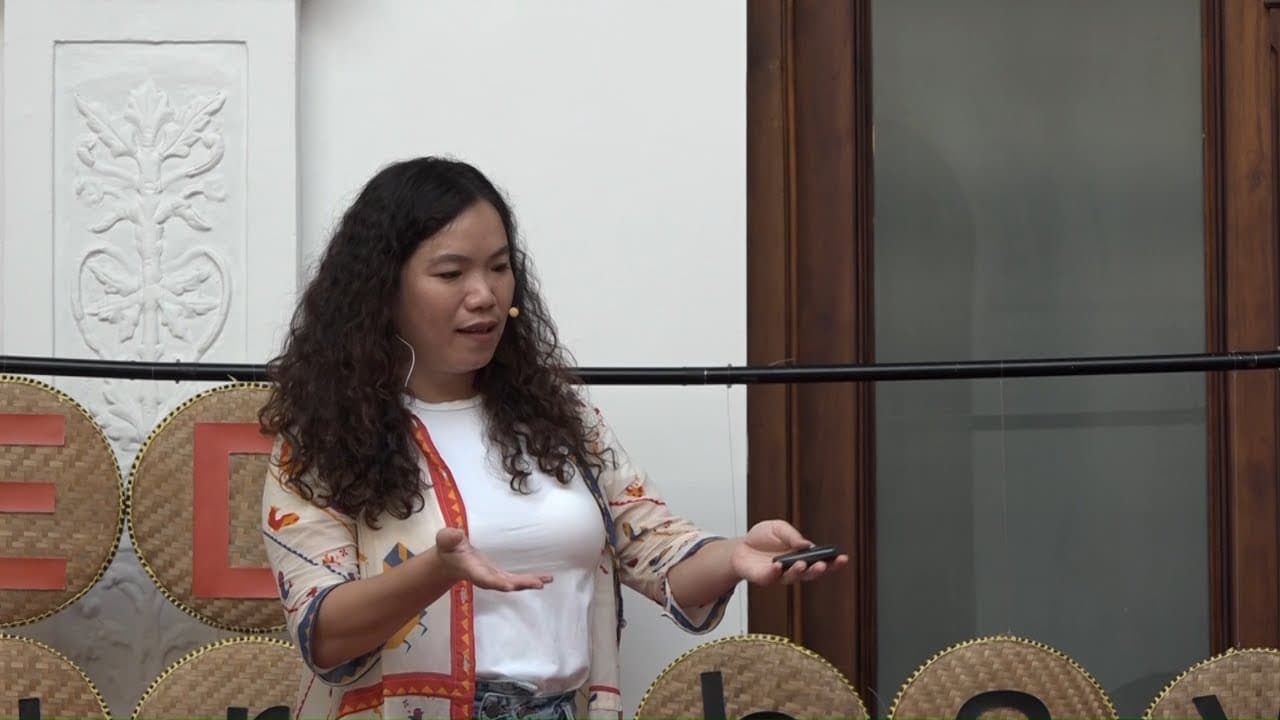
Let’Go Back To Our Roots And Bring Back Cloth Diapers! | Celia Siura | TEDxSurabaya
TL;DR
Diaper pollution in Brantas River threatens 17 million people, prompting a shift to reusable cloth diapers.
Transcript
foreign no no okay this is single-use diapers floating in the water as you can probably see there is a fist just swim around right okay I would like to ask you to do something that's not very nice but let's do it together I want all of you here close your eyes close your eyes and imagine at the swimming pool with that diaper and imagine the diaper ... Read More
Key Insights
- 😒 Brantas River faces severe pollution from single-use diapers, threatening the health of millions of residents.
- 😒 Pathogens and antibiotic-resistant bacteria in single-use diapers can spread diseases, necessitating urgent action.
- 🤩 Education and local production of reusable cloth diapers are key strategies to combat diaper pollution.
- 😒 Behavioral change initiatives target mothers and caregivers to switch from single-use to reusable diapers.
- 👨⚕️ Collaboration with health workers and doctors aims to influence behavior change towards sustainable diaper use.
- 🔂 The shift from reusable cloth diapers to single-use diapers in a single generation highlights the need for sustainable practices.
- 😒 Investment in reusable cloth diapers can prevent millions of single-use diapers from polluting water bodies.
Install to Summarize YouTube Videos and Get Transcripts
Explore YouTube Video Summarizer or Get YouTube Transcript Extractor
Questions & Answers
Q: How many single-use diapers are thrown into Brantas River daily?
1.5 million single-use diapers are thrown into the Brantas River daily, contributing to pollution and endangering the water source for millions of people.
Q: What risks do single-use diapers pose to human health?
Single-use diapers carry pathogens, antibiotic-resistant bacteria, and microplastics that can spread diseases like cholera, hepatitis A, and pose health risks to children and adults.
Q: How are efforts being made to combat diaper pollution in Brantas River?
Efforts include producing reusable cloth diapers, educating local residents about the risks of single-use diapers, and working with health professionals to change behaviors towards sustainable diaper use.
Q: What is the significance of reusable cloth diapers in combating pollution?
Reusable cloth diapers offer a sustainable solution to the environmental crisis caused by single-use diapers, helping to reduce pollution in water bodies like the Brantas River.
Summary & Key Takeaways
-
Brantas River serves as the main water source for 17 million East Java residents, facing pollution from 1.5 million single-use diapers daily.
-
Single-use diapers pollute the river, carrying pathogens and antibiotic-resistant bacteria harmful to humans.
-
Efforts are underway to promote reusable cloth diapers through education and local production to combat the pollution crisis.
Read in Other Languages (beta)
Share This Summary 📚
Summarize YouTube Videos and Get Video Transcripts with 1-Click
Try YouTube Summary with ChatGPT & Claude or YouTube Transcript Generator
Explore More Summaries from TEDx Talks 📚




Summarize YouTube Videos and Get Video Transcripts with 1-Click
Try YouTube Summary with ChatGPT & Claude or YouTube Transcript Generator