Cholesterol & Risk of Death | New Evidence Emerges
TL;DR
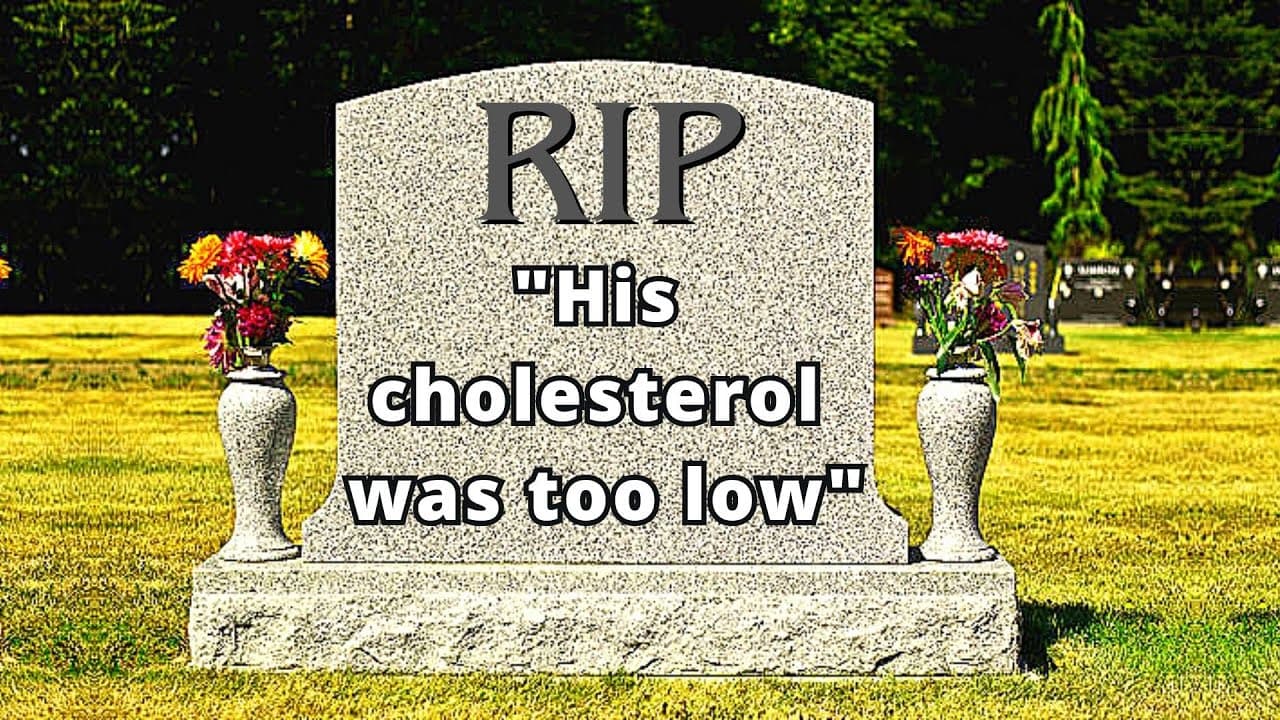
Lower cholesterol levels in the blood are associated with a higher risk of death, but this does not mean that you should keep your cholesterol level high.
Transcript
lower cholesterol levels in the blood associate with higher risk of death. why is that, and does that mean I should try to keep my cholesterol level high? we've talked about this a couple times in the past and we actually made a whole video about it over two years ago, so an older video, but yet this still remains the number one most freq... Read More
Key Insights
- 😘 Lower cholesterol levels in the blood are often a result of underlying diseases, not the cause of mortality.
- 👨⚕️ U-shaped curves are observed not only for cholesterol but also for other health parameters like BMI, blood pressure, and hemoglobin A1c.
- 🧑🏭 Actively lowering cholesterol through interventions like diet, medication, or genetic factors reduces the risk of death.
- ✋ The idea of the cholesterol paradox, suggesting that we should aim for high cholesterol levels, is not supported by scientific evidence and should be dismissed.
- 😄 The U-shaped curves in epidemiological studies do not reflect the actual causal effect of these parameters on mortality.
- 👨⚕️ Cholesterol skeptics misinterpret the U-shaped curves and ignore the conclusive evidence that supports lowering cholesterol for better health outcomes.
Install to Summarize YouTube Videos and Get Transcripts
Explore YouTube Video Summarizer or Get YouTube Transcript Extractor
Questions & Answers
Q: Why do lower cholesterol levels correlate with higher risk of death?
Lower cholesterol levels are often a consequence of underlying diseases, not the cause of mortality. Diseases like cancer, infections, and malnutrition can lower cholesterol levels and increase the risk of death.
Q: Can actively lowering cholesterol through diet or medication increase the risk of death?
No, actively lowering cholesterol through diet, medication, or genetic factors does not increase the risk of death. In fact, studies show that individuals who achieve lower cholesterol levels through direct interventions have a lower risk of death.
Q: Are U-shaped curves observed in other health parameters?
Yes, U-shaped curves are observed in other health parameters like BMI, blood pressure, and hemoglobin A1c. Mortality tends to be lowest in the middle range of these parameters and increases as they come into the normal range.
Q: Why do some people argue that we should aim to have high cholesterol levels?
The argument is based on misconstruing the U-shaped curves observed in epidemiological studies. However, every line of evidence and scientific research contradicts this notion, as actively lowering cholesterol is beneficial for overall health and reduces mortality risk.
Key Insights:
- Lower cholesterol levels in the blood are often a result of underlying diseases, not the cause of mortality.
- U-shaped curves are observed not only for cholesterol but also for other health parameters like BMI, blood pressure, and hemoglobin A1c.
- Actively lowering cholesterol through interventions like diet, medication, or genetic factors reduces the risk of death.
- The idea of the cholesterol paradox, suggesting that we should aim for high cholesterol levels, is not supported by scientific evidence and should be dismissed.
- The U-shaped curves in epidemiological studies do not reflect the actual causal effect of these parameters on mortality.
- Cholesterol skeptics misinterpret the U-shaped curves and ignore the conclusive evidence that supports lowering cholesterol for better health outcomes.
- It is important to prioritize overall health and consult with healthcare professionals rather than following misguided ideas surrounding cholesterol levels.
Summary & Key Takeaways
-
Epidemiological studies show a U-shaped curve relationship between cholesterol levels and risk of death, with the lowest mortality at a cholesterol level of about 230 mg/dL.
-
Similar U-shaped curves exist for other health parameters such as BMI, blood pressure, and hemoglobin A1c, where mortality also increases when these values come into the normal range.
-
The cholesterol paradox is explained by the fact that low cholesterol levels are often a result of underlying diseases, not the cause of mortality.
Read in Other Languages (beta)
Share This Summary 📚
Summarize YouTube Videos and Get Video Transcripts with 1-Click
Try YouTube Summary with ChatGPT & Claude or YouTube Transcript Generator
Explore More Summaries from Nutrition Made Simple! 📚

Summarize YouTube Videos and Get Video Transcripts with 1-Click
Try YouTube Summary with ChatGPT & Claude or YouTube Transcript Generator