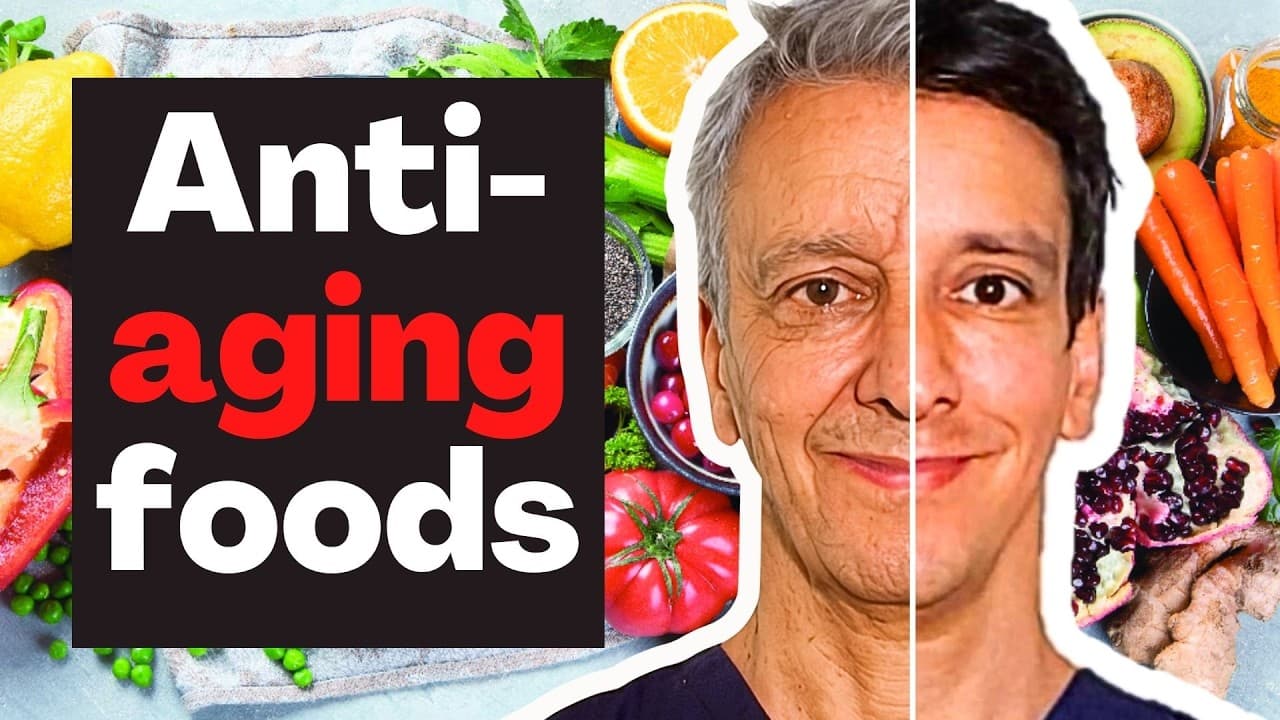
Foods that prolong Life & Healthspan | ft. Brad Stanfield & Physionic
TL;DR
Optimal diets rich in whole foods can extend lifespan significantly.
Transcript
Read and summarize the transcript of this video on Glasp Reader (beta).
Key Insights
- Research shows that diets rich in whole grains, legumes, fish, fruits, vegetables, and nuts can significantly extend lifespan.
- Switching from a typical Western diet to an optimal diet at age 20 can add up to 11-13 years to life expectancy.
- The Mediterranean diet, which includes whole grains, fatty fish, and unsaturated fats, consistently shows a reduction in all-cause and cardiovascular mortality.
- Genetic studies corroborate dietary findings, linking longevity with lower risks of type 2 diabetes, hypertension, and high BMI.
- Personalized dietary approaches are crucial, as individual responses to diets like carnivore or low-carb can vary significantly.
- Higher protein intake, especially from beneficial sources like fish and legumes, is important for maintaining health, particularly in older adults.
- Coffee consumption generally shows positive health effects, including lower risks of gallstones, while alcohol intake is best minimized.
- Tea might offer additional cardiovascular benefits over coffee, with combinations of both being beneficial.
Install to Summarize YouTube Videos and Get Transcripts
Explore YouTube Video Summarizer or Get YouTube Transcript Extractor
Questions & Answers
Q: What foods are associated with increased longevity?
Diets rich in whole grains, legumes, fatty fish, fruits, vegetables, nuts, and low-fat dairy are associated with increased longevity. These foods are often part of dietary patterns like the Mediterranean diet, which has been shown to reduce all-cause and cardiovascular mortality. Conversely, minimizing processed foods, sugary beverages, and red meats is recommended.
Q: How much can a diet change extend life expectancy?
Switching from a typical Western diet to an optimal diet rich in whole foods at age 20 can add approximately 11-13 years to life expectancy. Even if the change occurs later in life, such as at age 60, individuals can still gain around 8-9 additional years. These estimates highlight the significant impact of dietary choices on longevity.
Q: How do Mediterranean diets compare to low-carb or carnivore diets?
Mediterranean diets, which include whole grains, fatty fish, and unsaturated fats, have a strong evidence base for reducing mortality and improving health outcomes. While low-carb or carnivore diets may offer benefits for some individuals, particularly those with specific health conditions, the overall evidence supports the Mediterranean diet as optimal for the general population.
Q: What role does protein intake play in aging?
Protein intake is crucial for health, especially in older adults to combat anabolic resistance and sarcopenia. While the source of protein is important, with fish and legumes being beneficial, the amount of protein should be adjusted based on age and activity level. Higher protein intake can support muscle maintenance and overall health, particularly as one ages.
Q: What are the health impacts of coffee and alcohol?
Coffee consumption generally shows positive effects, such as a lower risk of gallstones, and does not seem to increase disease risk significantly. In contrast, alcohol is best minimized, as modern genetic studies suggest a linear relationship with increased cardiovascular disease risk and reduced lifespan. The closer to zero alcohol intake, the better.
Q: How should diets be personalized for individuals?
Personalized dietary approaches are crucial, as individual responses to diets can vary significantly. Clinicians should listen to patients and consider their specific health needs and preferences. Small, incremental changes towards healthier dietary patterns can be more effective and sustainable than drastic shifts, and personalization helps optimize health outcomes.
Q: What is the current understanding of protein sources and health?
The source of protein is more critical than the amount, with fish, legumes, and certain dairy products consistently showing health benefits. While higher protein levels are often linked to detrimental effects due to poor sources, separating protein by source reveals that beneficial sources do not carry the same risks and can even offer health advantages.
Q: What are the potential benefits of tea compared to coffee?
Preliminary research suggests that tea might offer additional cardiovascular benefits over coffee, although coffee itself is associated with positive health effects. The polyphenol content in tea may contribute to these benefits. Combinations of tea and coffee could be advantageous, providing a range of health-promoting compounds that support cardiovascular health.
Summary & Key Takeaways
-
Optimal diets rich in whole grains, legumes, fish, fruits, vegetables, and nuts can significantly extend lifespan. Large studies suggest switching to such a diet at age 20 can add up to 11-13 years to life expectancy. The Mediterranean diet, with its focus on these foods, consistently reduces mortality rates.
-
Genetic studies support dietary findings, linking longevity with lower risks of chronic diseases. Personalized dietary approaches are crucial, as individual responses to diets like carnivore or low-carb can vary. Higher protein intake, especially from beneficial sources, is important for maintaining health, particularly in older adults.
-
Coffee consumption shows positive health effects, while alcohol is best minimized. Tea might offer additional cardiovascular benefits over coffee, with combinations of both being beneficial. Personalization and nuance are key in dietary recommendations, balancing health span and lifespan goals.
Read in Other Languages (beta)
Share This Summary 📚
Summarize YouTube Videos and Get Video Transcripts with 1-Click
Try YouTube Summary with ChatGPT & Claude or YouTube Transcript Generator
Explore More Summaries from Nutrition Made Simple! 📚

Summarize YouTube Videos and Get Video Transcripts with 1-Click
Try YouTube Summary with ChatGPT & Claude or YouTube Transcript Generator