What Causes Tsunamis and How Can We Prepare for Them?
TL;DR
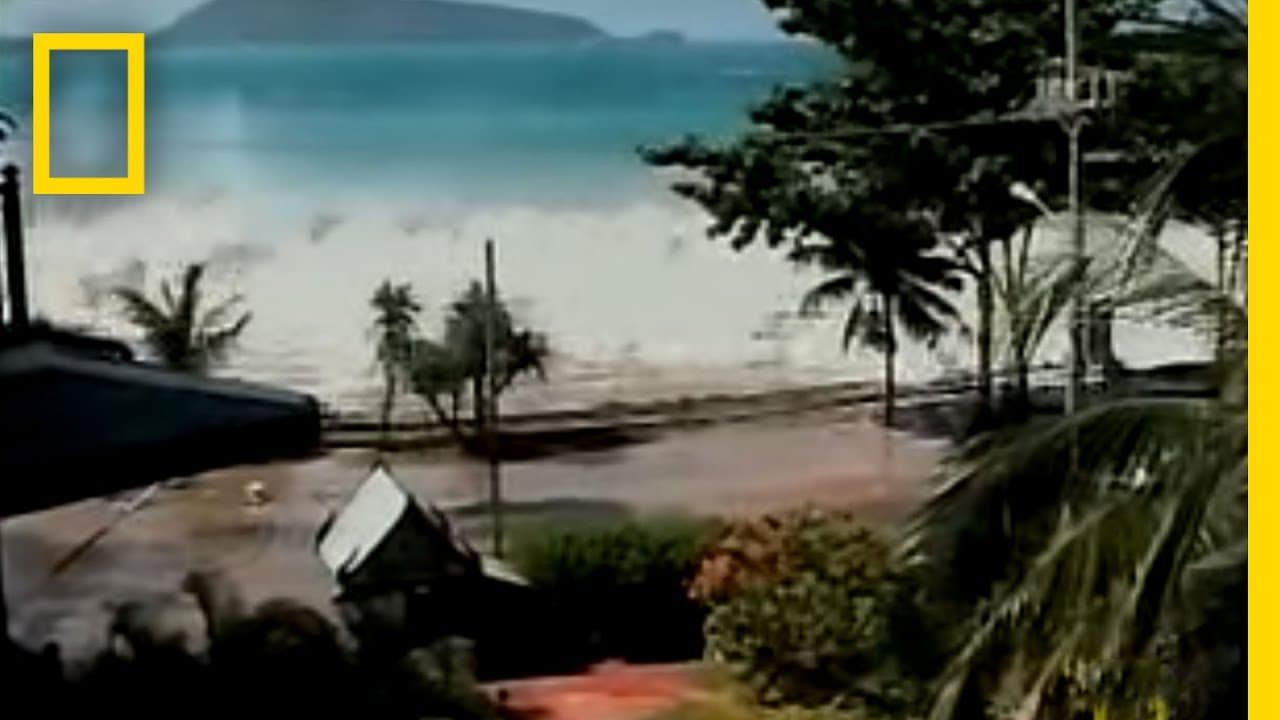
Tsunamis are caused by underwater earthquakes that displace large volumes of water, creating massive waves that can devastate coastal areas. Advanced warning systems, like the Pacific Tsunami Warning Center, are crucial for alerting at-risk populations and mitigating disaster impacts. Learning to move to higher ground and remain prepared can save lives during such events.
Transcript
the warnings are few the signs are suddenly the time goes into reverse a thunderous roar fills the air and then it strikes and when it is over nothing is what a tsunami the word in Japanese means harbour wave Japan has been hit by many tsunamis in its history as a result of its location it lies across the edges of four tectonic plates where most ea... Read More
Key Insights
- 🌊 Tsunamis are triggered by underwater earthquakes, displacing water and generating powerful waves that can devastate coastal regions.
- 🖐️ Effective warning systems, like the Pacific Tsunami Warning Center, play a crucial role in mitigating the impact of tsunamis by alerting at-risk areas.
- 🛟 The 2004 tsunami serves as a tragic reminder of the importance of advanced warning systems and preparedness measures.
- 🌊 Tsunamis differ from regular ocean waves, as they advance as walls of water, causing widespread destruction upon impact.
- 👋 The aftermath of tsunamis can be catastrophic, with multiple waves potentially causing further devastation.
- 🌐 Global cooperation and communication are essential in preventing future tsunami disasters and saving lives.
- 🍽️ The geography of Japan, located across tectonic plates, makes it particularly vulnerable to tsunamis.
Install to Summarize YouTube Videos and Get Transcripts
Explore YouTube Video Summarizer or Get YouTube Transcript Extractor
Questions & Answers
Q: What causes tsunamis to form?
Tsunamis are primarily caused by underwater earthquakes that displace large amounts of water, generating devastating waves that can impact coastal regions severely.
Q: How do warning systems help mitigate the impact of tsunamis?
Warning systems like the Pacific Tsunami Warning Center track seismic activity, providing vital alerts to at-risk regions, allowing for evacuation and preparedness measures to be taken.
Q: Why are tsunamis particularly destructive compared to regular ocean waves?
Tsunamis differ from regular waves as they do not crest and break but rather advance as a wall of water, capable of engulfing buildings and causing widespread damage as they crash onto coastlines.
Q: What lessons can be learned from past tsunamis, such as the 2004 catastrophe?
The 2004 tsunami highlighted the urgent need for improved warning systems and preparedness measures to mitigate the devastating impacts of future tsunamis, emphasizing the importance of global collaboration and coordination in disaster prevention.
Summary & Key Takeaways
-
Tsunamis, caused by underwater earthquakes, generate massive waves that can engulf land, causing destruction.
-
The deadliest tsunami in 2004 killed over 200,000 people due to a lack of warning systems.
-
The Pacific Tsunami Warning Center in Honolulu tracks seismic activity globally to alert at-risk areas.
Read in Other Languages (beta)
Share This Summary 📚
Summarize YouTube Videos and Get Video Transcripts with 1-Click
Try YouTube Summary with ChatGPT & Claude or YouTube Transcript Generator
Explore More Summaries from National Geographic 📚




Summarize YouTube Videos and Get Video Transcripts with 1-Click
Try YouTube Summary with ChatGPT & Claude or YouTube Transcript Generator