Erin Pettit: Glaciers on the Run | Nat Geo Live
TL;DR
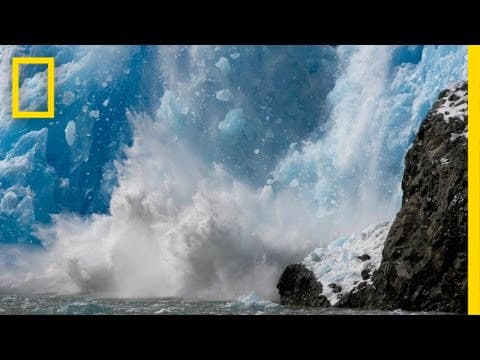
Glaciers are alive and constantly changing, impacting sea levels, water resources, ecosystems, and coastal regions.
Transcript
well I'm going to take you to some Uncharted territories where both we haven't been and it's changing and the more we can understand now we'll maybe get a little handle on what might happen in the future and I want to start by just telling you that I I vividly remember the first time I actually slept on a glacier was climbing mat rineer fresh out o... Read More
Key Insights
- 💄 The movement and changes of glaciers are subtle, making it challenging to observe and study their behavior.
- 🫠 Melting ice from glaciers contributes to rising sea levels, leading to various environmental impacts.
- 💦 Glaciers provide vital water resources for communities and ecosystems, affecting both human activities and wildlife.
- 🥶 Ice shelves in Antarctica play a crucial role in moderating the flow of ice off the continent, preventing rapid flooding.
- 🤢 The Antarctic Peninsula experiences rapid warming, leading to the disintegration of ice shelves and increased sea level rise.
- 🧑🔬 Studying glaciers requires a multi-disciplinary approach involving scientists from various fields.
- 🧑🎨 Exploring different perspectives, such as those of artists and whales, can provide unique insights into understanding glaciers and their impact.
Install to Summarize YouTube Videos and Get Transcripts
Explore YouTube Video Summarizer or Get YouTube Transcript Extractor
Questions & Answers
Q: How do glaciers impact sea levels and coastal regions?
Melting ice from glaciers results in rising sea levels, causing erosion, changes in wave action, and increased saltwater intrusion in coastal regions.
Q: Why are glaciers important for water resources?
Glaciers serve as water sources for communities, providing hydropower and supplying cold water to ecosystems, supporting salmon and other organisms.
Q: What are ice shelves in Antarctica, and why are they crucial?
Ice shelves in Antarctica are thick floating ice formations that moderate the flow of ice off the continent, preventing rapid flooding and generating sea level rise.
Q: What causes ice shelves to disintegrate, and what are the consequences?
Atmospheric and oceanic warming, along with gradual thinning, can trigger the disintegration of ice shelves. This results in faster-glacier movement, thinning ice, and increased sea level rise.
Summary & Key Takeaways
-
Glaciers are in constant motion, subtly moving across landscapes and changing over time.
-
Melting ice contributes to rising sea levels, leading to erosion and changes in wave action and storm patterns along coastlines.
-
Glaciers provide water resources for communities and ecosystems, supporting salmon and other organisms.
Read in Other Languages (beta)
Share This Summary 📚
Summarize YouTube Videos and Get Video Transcripts with 1-Click
Try YouTube Summary with ChatGPT & Claude or YouTube Transcript Generator
Explore More Summaries from National Geographic 📚


Summarize YouTube Videos and Get Video Transcripts with 1-Click
Try YouTube Summary with ChatGPT & Claude or YouTube Transcript Generator