How Does Humanitarian Intervention Evolve Over Time?
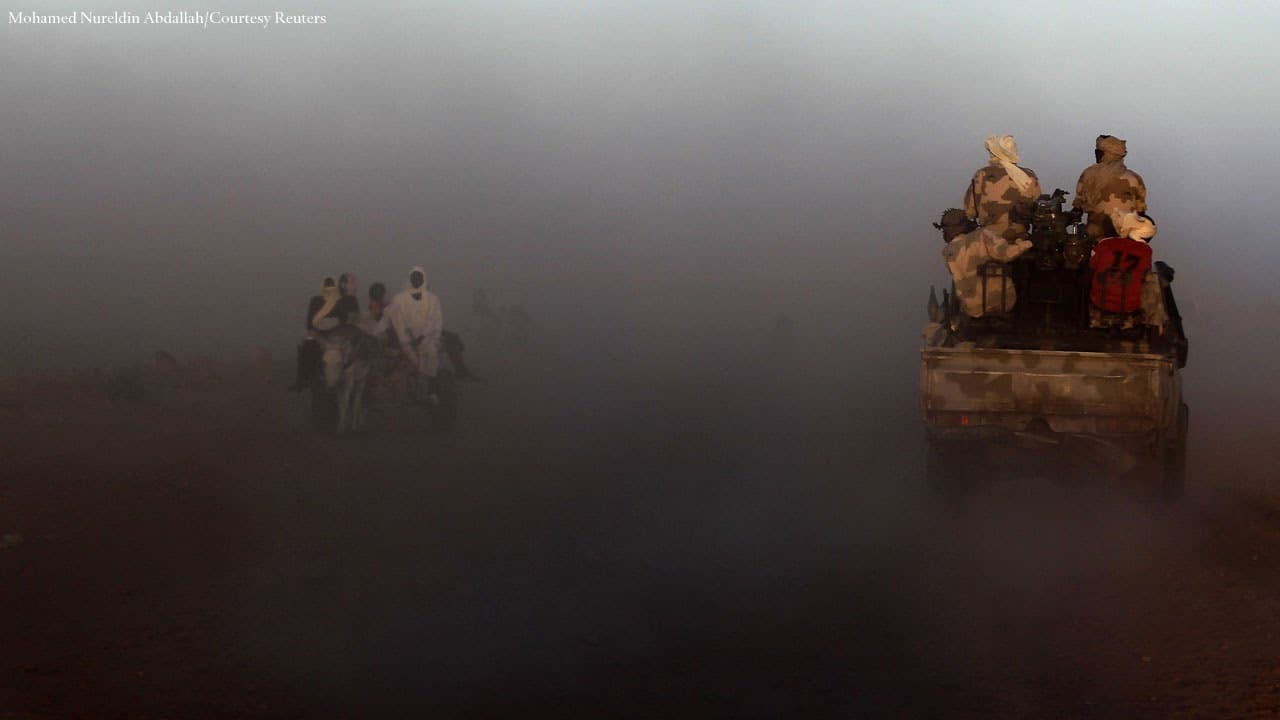
TL;DR
Humanitarian interventions often blur the line between military action and humanitarian aid. Successful interventions typically involve clear missions and coalition support, while failures often stem from unclear objectives and mission creep. The rise of jihadism presents a complex challenge, requiring both military force and regional cooperation to address effectively.
Transcript
MCFARLAND: I was really excited about this conference today because not only did Robert Pape set us up really well for humanitarian intervention, the idea of it, it could not be more topical than today. This is a section -- session that's on the record, so if we have any journalists, anybody -- whatever you say is going to live forever. I am going ... Read More
Key Insights
- Humanitarian interventions can evolve into military operations with mission creep.
- Clarity of mission is crucial for successful interventions.
- Coalition support and clear rules of engagement enhance intervention success.
- Jihadism poses a significant, evolving threat requiring strategic responses.
- Regional buy-in and cooperation are essential for long-term stability.
- Military interventions should be decisive to avoid prolonged conflicts.
- The Middle East is undergoing a profound reordering, complicating intervention strategies.
- The U.S. military faces resource constraints impacting its intervention capabilities.
Install to Summarize YouTube Videos and Get Transcripts
Explore YouTube Video Summarizer or Get YouTube Transcript Extractor
Questions & Answers
Q: How do humanitarian interventions evolve into military operations?
Humanitarian interventions often begin with the intent to provide aid and relief. However, as situations escalate, military involvement can increase, leading to mission creep. This transition occurs when the initial humanitarian goals become intertwined with military objectives, such as stabilizing regions or combating insurgencies. Clarity of mission and clear rules of engagement are crucial to managing this evolution effectively.
Q: What are the key factors for successful humanitarian interventions?
Successful humanitarian interventions require a clear mission, defined objectives, and coalition support. Clarity of mission ensures that all parties understand the goals and limits of the intervention. Coalition support, including international and regional partners, provides the necessary resources and legitimacy. Clear rules of engagement help manage military actions, preventing mission creep and ensuring focus on humanitarian goals.
Q: Why is regional buy-in important for interventions?
Regional buy-in is crucial for interventions as it ensures local support and legitimacy. Engaging regional partners helps align goals, share resources, and address cultural and political nuances. This cooperation enhances the intervention's effectiveness and sustainability by fostering local ownership and reducing resistance. It also facilitates long-term stability by integrating regional perspectives into planning and execution.
Q: What challenges does jihadism pose to interventions?
Jihadism presents a complex challenge due to its ideological nature and transnational reach. It requires a multifaceted response, combining military force with efforts to counter extremist narratives. Interventions must address underlying socio-political issues and involve regional cooperation to be effective. The rise of jihadist groups like ISIS complicates interventions, as they often control territory and resources, necessitating coordinated military and diplomatic efforts.
Q: How do resource constraints impact U.S. military interventions?
Resource constraints limit the U.S. military's ability to conduct effective interventions by reducing available personnel, equipment, and funding. This impacts readiness and the ability to respond to multiple global threats simultaneously. Strategic prioritization becomes essential, focusing on interventions that align with national interests and leveraging coalition support to share the burden. These constraints necessitate careful planning and clear mission objectives to maximize impact.
Q: What role does mission clarity play in interventions?
Mission clarity is vital in interventions as it defines objectives, guides decision-making, and aligns stakeholders. Clear missions prevent mission creep, where objectives expand beyond the original scope, leading to prolonged engagements and resource strain. It ensures that military and humanitarian efforts are coordinated, focused, and effective. Clarity also aids in measuring success and adjusting strategies as needed, ensuring interventions remain goal-oriented.
Q: Why is coalition support important in military interventions?
Coalition support is important in military interventions as it provides additional resources, legitimacy, and shared responsibilities. Engaging international and regional partners helps distribute the operational burden, enhances strategic planning, and increases the intervention's credibility. Coalitions bring diverse perspectives and expertise, improving decision-making and execution. They also foster diplomatic ties and ensure broader international backing, which is crucial for long-term success.
Q: How does the reordering of the Middle East affect intervention strategies?
The reordering of the Middle East affects intervention strategies by altering regional dynamics and power structures. Traditional state boundaries and alliances are shifting, requiring adaptive and flexible approaches. Interventions must consider emerging political entities and non-state actors, such as jihadist groups, which complicate traditional military and diplomatic efforts. This reordering necessitates a focus on regional stability, involving local stakeholders in planning and execution to address the root causes of instability.
Summary & Key Takeaways
-
Interventions require a clear mission and coalition support to succeed. Mission creep and unclear objectives often lead to failure. The rise of jihadism necessitates strategic military and regional cooperation.
-
Military interventions must be decisive, with clear rules of engagement. The Middle East's reordering complicates intervention strategies, requiring a focus on regional stability.
-
The U.S. military faces resource constraints, impacting its ability to conduct effective interventions. Humanitarian efforts must be balanced with military objectives to achieve long-term stability.
Read in Other Languages (beta)
Share This Summary 📚
Summarize YouTube Videos and Get Video Transcripts with 1-Click
Try YouTube Summary with ChatGPT & Claude or YouTube Transcript Generator
Explore More Summaries from Council on Foreign Relations 📚


Summarize YouTube Videos and Get Video Transcripts with 1-Click
Try YouTube Summary with ChatGPT & Claude or YouTube Transcript Generator