How to Optimize SEO with Cookie Stuffing and Cloaking
TL;DR
Cookie stuffing and cloaking are controversial SEO tactics that can manipulate affiliate marketing and search engine rankings. While they may offer short-term gains, these methods carry significant risks, including penalties and potential bans from networks. It's crucial to weigh the benefits against the ethical implications and long-term repercussions on your online reputation.
Transcript
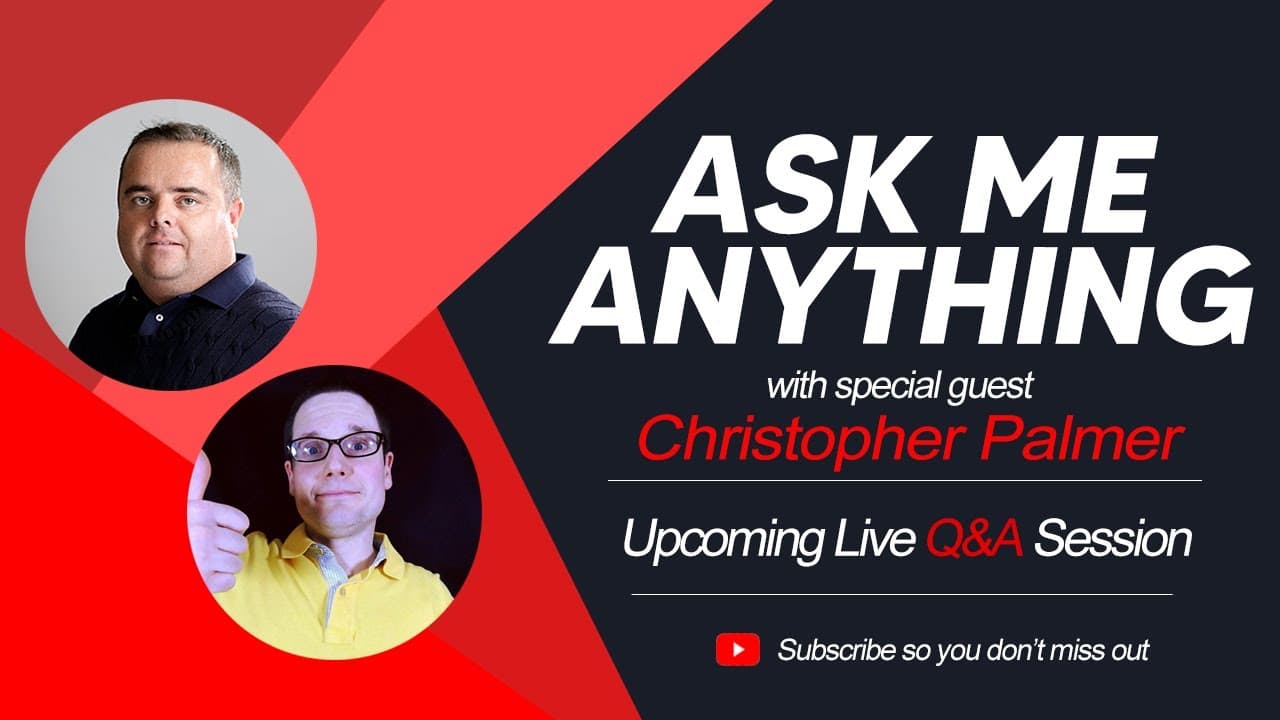
hello everyone it's no longer dark in here as paul hogden says we are here we're just having a little chat before as we always do um and didn't realize the time so hello everyone for this week we have myself and what is i'm not sure what the name is for that cause it's on your shoulder who have you brought along oh it's just a coat and it looks lik... Read More
Key Insights
- Cookie stuffing is a tactic where cookies are placed on a user's browser without their knowledge, potentially leading to affiliate commissions.
- Cloaking involves showing different content to search engines and users, which can manipulate rankings but risks penalties.
- Google's ability to filter out spammy links and tactics like cookie stuffing is debated, with some believing it's not as effective as claimed.
- Niche edits, often considered a form of link building, can sometimes involve hacked links, raising ethical concerns.
- GMB posts are not direct ranking factors but contribute to overall SEO strategy by enhancing visibility and engagement.
- Evergreen link building focuses on acquiring links that remain valuable over time, often through high-quality content.
- CTR manipulation through proxies and phones can influence rankings but requires careful execution to avoid detection.
- Google's recent changes in indexing and crawling have impacted how quickly new content is recognized, with alternatives like Omega suggested for faster indexing.
Install to Summarize YouTube Videos and Get Transcripts
Explore YouTube Video Summarizer or Get YouTube Transcript Extractor
Questions & Answers
Q: What is cookie stuffing in SEO?
Cookie stuffing is a tactic where cookies are placed on a user's browser without their knowledge, often to claim affiliate commissions. This method can lead to short-term gains but poses significant risks, such as penalties from affiliate networks and potential bans. It's considered unethical and can harm long-term online reputation.
Q: How does cloaking affect SEO?
Cloaking involves presenting different content to search engines and users. While it can manipulate search rankings, it risks severe penalties from search engines if detected. Cloaking is considered a black hat SEO tactic and can result in long-term damage to a site's credibility and search visibility.
Q: Can Google filter out spammy links effectively?
The effectiveness of Google's spam filtering is debated. While Google claims to filter out low-quality links, some SEO professionals believe the system is not as robust as stated. This uncertainty impacts how aggressively tactics like cookie stuffing and link spamming are pursued in SEO strategies.
Q: What are niche edits in link building?
Niche edits involve inserting links into existing content, often on authoritative sites. While some niche edits are legitimate, others involve hacked links, raising ethical concerns. It's important to ensure niche edits are obtained through reputable means to avoid penalties and maintain ethical standards.
Q: Are GMB posts a ranking factor?
GMB posts are not a direct ranking factor but contribute to a site's overall SEO strategy. They enhance visibility, engagement, and user interaction, which indirectly supports search performance. Consistent posting on GMB can help maintain a strong local presence and improve user engagement.
Q: What is evergreen link building?
Evergreen link building focuses on acquiring links that remain valuable over time, often through high-quality, timeless content. This approach aims to generate ongoing traffic and maintain search visibility without relying on short-term tactics. Producing valuable content that naturally attracts links is key to this strategy.
Q: How can CTR manipulation be safely executed?
CTR manipulation involves influencing click-through rates to improve rankings. Using proxies and phones can aid this tactic, but it's essential to maintain clean browsing personas and use residential IPs to avoid detection. This method carries risks and should be approached cautiously to prevent penalties.
Q: How has Google changed its indexing and crawling?
Google has made changes to its indexing and crawling processes, affecting how quickly new content is recognized. The removal of manual indexing requests has prompted SEO professionals to seek alternatives like Omega for faster indexing. These changes require adjustments in SEO strategies to ensure timely content visibility.
Summary & Key Takeaways
-
Cookie stuffing and cloaking can offer quick SEO and affiliate marketing wins but come with significant risks, including potential bans and ethical concerns. These tactics manipulate how content is perceived by search engines and users, which can lead to penalties.
-
Google's filtering capabilities for spammy tactics like cookie stuffing are debated, with some SEO professionals believing the system isn't as foolproof as claimed. This has implications for how aggressively these tactics are pursued.
-
Evergreen link building and GMB posts are part of a broader SEO strategy that focuses on sustainable growth and engagement. While not directly affecting rankings, they contribute to a site's overall performance and visibility.
Read in Other Languages (beta)
Share This Summary 📚
Summarize YouTube Videos and Get Video Transcripts with 1-Click
Try YouTube Summary with ChatGPT & Claude or YouTube Transcript Generator
Explore More Summaries from Craig Campbell SEO 📚


Summarize YouTube Videos and Get Video Transcripts with 1-Click
Try YouTube Summary with ChatGPT & Claude or YouTube Transcript Generator