How to Write Samurai, Bushido, and Karate in Japanese | Tim Ferriss
TL;DR
Delve into the origin and meanings of various samurai characters in Japanese, revealing linguistic ties and historical insights.
Transcript
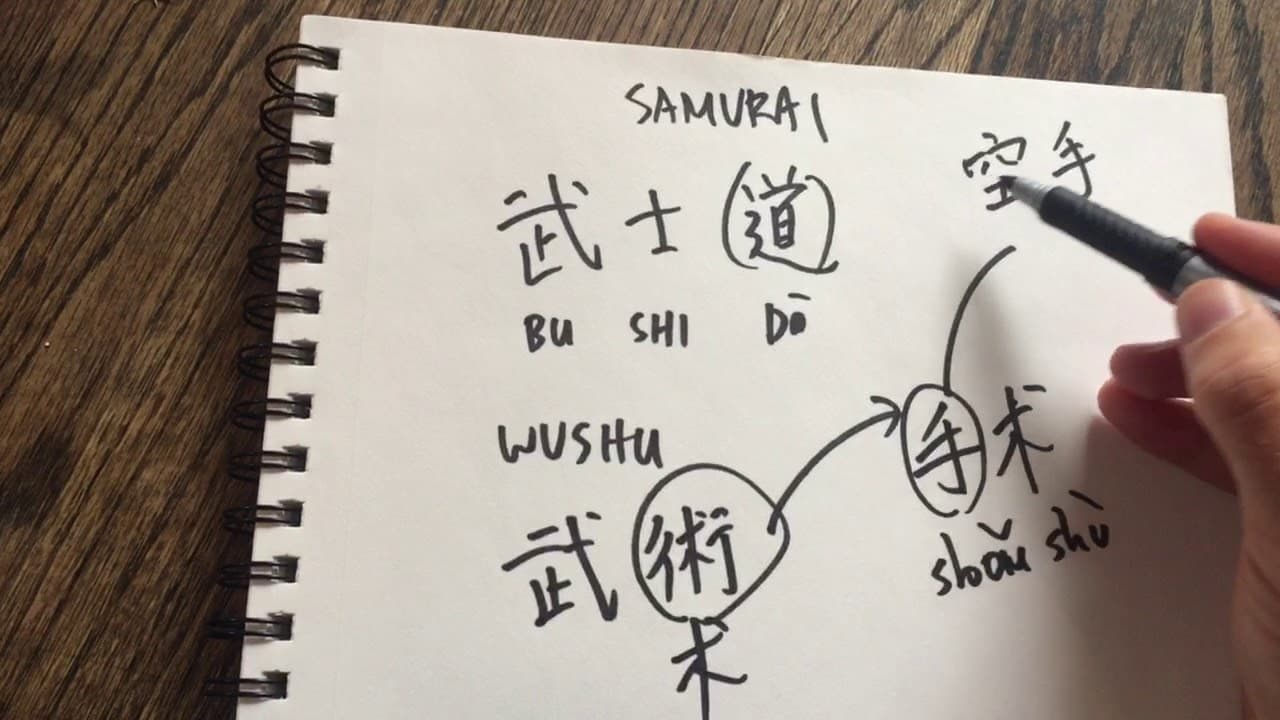
okay okay horizontal here we go this is him I'm gonna try to show some more characters that people might be interested in in Japanese and my hand is not the best but it'll get the job done so samurai is a word that people have certainly heard and there are a bunch of different ways you see it represented commonly and some are seeing that less often... Read More
Key Insights
- 💨 The samurai character in Japanese can be represented in various ways, each carrying different meanings and nuances.
- 🏣 Linguistic ties between Japanese and Mandarin Chinese characters can provide insights into historical connections and influences.
- 💯 The preferred character for samurai reflects the core values and characteristics associated with the samurai class.
Install to Summarize YouTube Videos and Get Transcripts
Explore YouTube Video Summarizer or Get YouTube Transcript Extractor
Questions & Answers
Q: What are the different ways the samurai character is represented in Japanese?
The samurai character can be depicted in various ways, such as combining strokes quickly or utilizing radicals for person and temple to convey its meaning.
Q: How does the character "boo" relate to martial arts in Mandarin Chinese?
The character "boo" signifies a martial practitioner or warrior in Japanese, showing linguistic ties to wushu in Mandarin Chinese, reflecting martial technique and skill.
Q: What is the preferred character for samurai and what does it symbolize?
The character preferred for samurai includes radicals for person and temple, conveying meanings of waiting and attending, reflecting the historical significance of the samurai class.
Q: What is the etymology behind the character for samurai in Japanese?
The character for samurai in Japanese may have origins in words meaning "to wait on" or "to attend to," reflecting the role and responsibilities of the samurai in historical contexts.
Summary & Key Takeaways
-
Various representations of the samurai character in Japanese are explored, including different strokes and combinations.
-
The character "boo" signifies a martial practitioner or warrior, with ties to wushu in Mandarin Chinese.
-
The preferred character for samurai includes radicals for person and temple, reflecting meanings of waiting and attending.
Read in Other Languages (beta)
Share This Summary 📚
Summarize YouTube Videos and Get Video Transcripts with 1-Click
Try YouTube Summary with ChatGPT & Claude or YouTube Transcript Generator
Explore More Summaries from Tim Ferriss 📚






Summarize YouTube Videos and Get Video Transcripts with 1-Click
Try YouTube Summary with ChatGPT & Claude or YouTube Transcript Generator