Why Are Most People Broke and How to Change That?
TL;DR
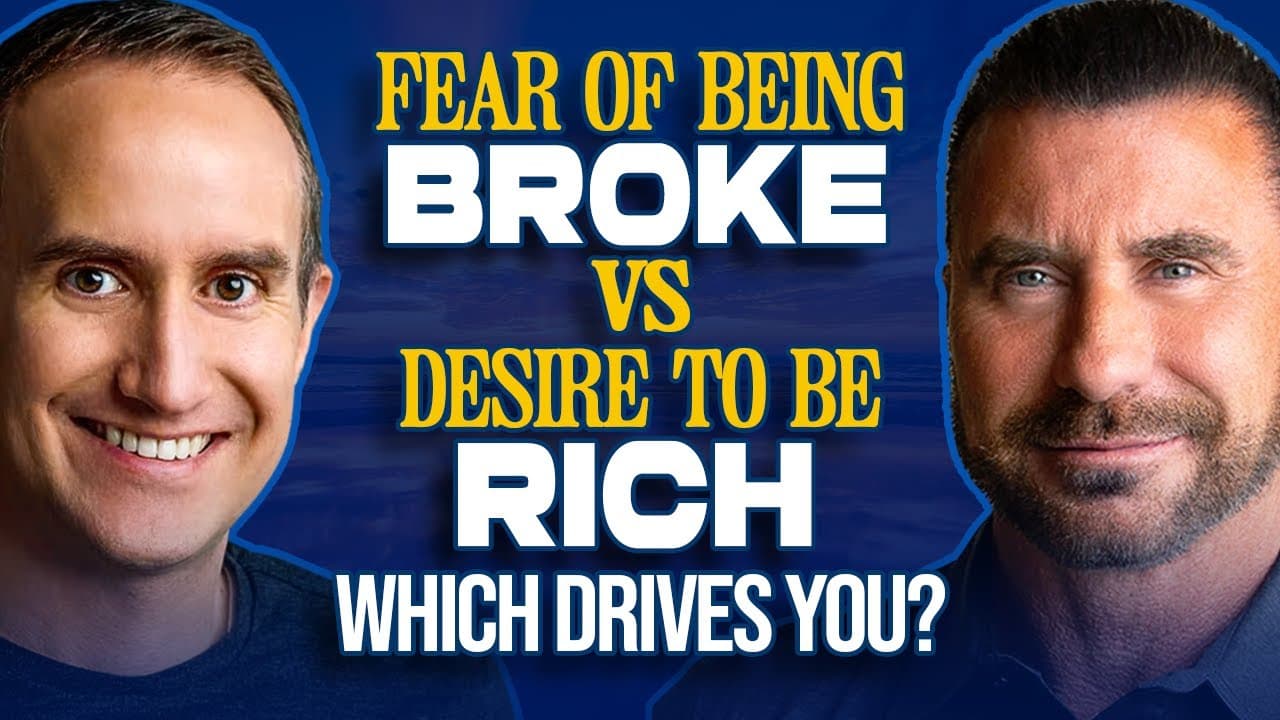
Most people experience financial instability because they live paycheck to paycheck, often due to high expectations and societal pressures. The key to overcoming this is understanding the difference between being rich and wealthy; wealthy individuals save and invest rather than spend impulsively. Embracing patience and a focus on compounding can lead to long-term financial independence and security.
Transcript
most people are broke meaning they are a couple missed paychecks away from devastation in their lives why are most people broke virtually all of their problems in life come from their expectations because their definition of what a good happy life should be is above that when most people say "I want to be a millionaire," what they actually mean is ... Read More
Key Insights
- Most people are financially unstable because they live paycheck to paycheck, often due to unrealistic expectations of what constitutes a happy life.
- The difference between being rich and wealthy lies in spending habits; wealth is about money saved and invested, not just income earned.
- Compounding is a powerful financial tool that leverages time to grow wealth, emphasizing the importance of long-term investment strategies.
- Financial independence is more about having options and freedom rather than just accumulating money.
- Chasing status and external approval can lead to financial instability, as it often results in unnecessary spending.
- The temptation to spend increases with income, but maintaining financial discipline and saving is crucial for long-term stability.
- Many people underestimate the amount of money needed for retirement, partly due to inflation and rising expectations.
- The psychology of money involves understanding personal financial habits and making informed decisions to ensure long-term security.
- More videos with Morgan Housel:
Install to Summarize YouTube Videos and Get Transcripts
Explore YouTube Video Summarizer or Get YouTube Transcript Extractor
Questions & Answers
Q: Why do most people remain broke despite earning a decent income?
Most people remain broke because they spend their income on immediate desires and maintain a lifestyle beyond their means. This often stems from societal expectations and a lack of financial literacy. By not saving or investing, they are left vulnerable to financial setbacks, which can lead to financial instability.
Q: What is the fundamental difference between being rich and being wealthy?
Being rich is often associated with having a high income and the ability to spend freely. In contrast, being wealthy is about having financial security through savings and investments. Wealth provides independence and the ability to maintain one's lifestyle without relying on continuous income.
Q: How does compounding contribute to wealth building?
Compounding allows money to grow over time by earning returns on both the initial investment and the accumulated interest. This exponential growth makes it a powerful tool for building wealth, emphasizing the importance of starting to save and invest early to maximize financial gains over the long term.
Q: What are the psychological traps that prevent people from saving and investing?
Psychological traps include the desire for immediate gratification, societal pressure to maintain a certain lifestyle, and the misconception that more income will automatically lead to wealth. These factors can lead to overspending and neglecting long-term financial planning, which are essential for building and preserving wealth.
Q: Why is financial independence more about having options than just money?
Financial independence provides the freedom to make choices without being constrained by financial obligations. It's about having the ability to pursue one's goals and desires without the constant pressure of financial insecurity, thus allowing individuals to live life on their own terms rather than being driven solely by income.
Q: What are the hidden costs of chasing status and external approval?
Chasing status and external approval often leads to excessive spending on luxury items and experiences to impress others. This behavior can result in financial strain and debt, ultimately undermining long-term financial security and personal happiness as individuals prioritize appearances over genuine financial stability.
Q: How can individuals prepare for life's financial curveballs?
Individuals can prepare for financial curveballs by building an emergency fund, living below their means, and maintaining a disciplined savings and investment strategy. These practices provide a financial cushion to handle unexpected events, such as job loss or medical emergencies, without jeopardizing long-term financial goals.
Q: What mindset should one adopt towards money to ensure financial security?
Adopting a mindset focused on long-term financial security involves prioritizing savings and investments over immediate consumption, understanding the power of compounding, and making informed financial decisions. It also requires resisting societal pressures to spend and valuing financial independence as a means to achieve personal and family goals.
Summary & Key Takeaways
-
Most people are close to financial ruin because they spend all their earnings, often due to societal pressures and expectations. Understanding the psychology of money is crucial to breaking this cycle.
-
Rich people often live below their means and prioritize saving and investing over spending. This mindset helps them build long-term wealth and financial independence.
-
Compounding is a key concept in building wealth, as it allows money to grow exponentially over time. Patience and long-term planning are essential for financial success.
Read in Other Languages (beta)
Share This Summary 📚
Summarize YouTube Videos and Get Video Transcripts with 1-Click
Try YouTube Summary with ChatGPT & Claude or YouTube Transcript Generator
Explore More Summaries from Ed Mylett 📚





Summarize YouTube Videos and Get Video Transcripts with 1-Click
Try YouTube Summary with ChatGPT & Claude or YouTube Transcript Generator