How Did Gemini 6A Avoid a Catastrophic Launch Disaster?
TL;DR
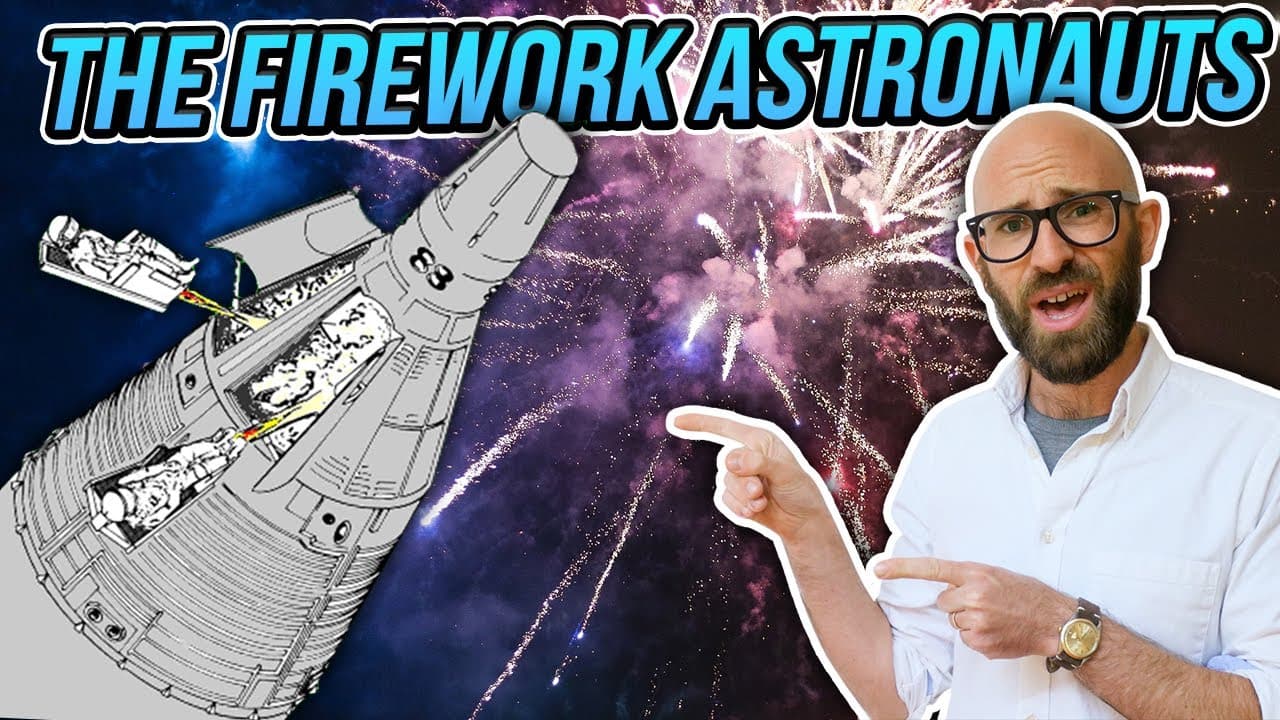
The Gemini 6A mission nearly ended in disaster when a rocket malfunction occurred during liftoff. Astronaut Wally Shira's quick decision not to eject saved their lives, preventing them from facing severe risks in a pure oxygen environment. This incident highlighted the dangers of space exploration and eventually led to significant changes in NASA's safety procedures.
Transcript
today's video is brought to you by Squarespace Unleash Your Potential with this all-in-one platform for stunning websites are you tired of being held back by complicated coding when building your website or say hello to Squarespace with their user-friendly drag and drop system you can create websites that truly represent your brand and connect with... Read More
Key Insights
- 💀 The near-disaster of Gemini 6A showcased the dangers of space exploration and prompted NASA to reevaluate safety procedures.
- 🤔 The quick thinking of the astronauts during the rocket malfunction saved their lives.
- 😒 The subsequent changes made to spacecraft design and procedures, such as the use of mixed atmospheres and the removal of flammable materials, have contributed to safer space missions.
Install to Summarize YouTube Videos and Get Transcripts
Explore YouTube Video Summarizer or Get YouTube Transcript Extractor
Questions & Answers
Q: What caused the fire in the Apollo 1 spacecraft?
The fire was caused by an electrical wire sparking in the pure oxygen environment of the cabin, leading to the deaths of the three astronauts.
Q: How did the near-disaster of Gemini 6A occur?
The near-disaster occurred when the Titan 2 rocket's engine shut down shortly after liftoff, but the crew chose not to activate the ejection seats.
Q: What was the purpose of the Gemini 6A mission?
The mission aimed to test the capabilities required for the Apollo lunar program, including orbital rendezvous and docking.
Q: Why did NASA persist in using pure oxygen atmospheres aboard spacecraft despite the dangers?
Pure oxygen allowed for lower cabin pressure, reducing the weight and complexity of the spacecraft. It also minimized the risk of decompression sickness.
Summary & Key Takeaways
-
On February 21, 1967, a fire in the Apollo 1 spacecraft resulted in the deaths of three astronauts, leading to a reevaluation of safety procedures in the US space program.
-
The near-disaster of Gemini 6A, two years earlier, almost resulted in the deaths of its crew due to a rocket malfunction during liftoff.
-
The mission was later successfully completed, leading to important advancements in orbital rendezvous and docking.
Read in Other Languages (beta)
Share This Summary 📚
Summarize YouTube Videos and Get Video Transcripts with 1-Click
Try YouTube Summary with ChatGPT & Claude or YouTube Transcript Generator
Explore More Summaries from Today I Found Out 📚






Summarize YouTube Videos and Get Video Transcripts with 1-Click
Try YouTube Summary with ChatGPT & Claude or YouTube Transcript Generator