Low Protein & Longevity
TL;DR
Balancing protein intake and lifestyle can enhance longevity and quality of life.
Transcript
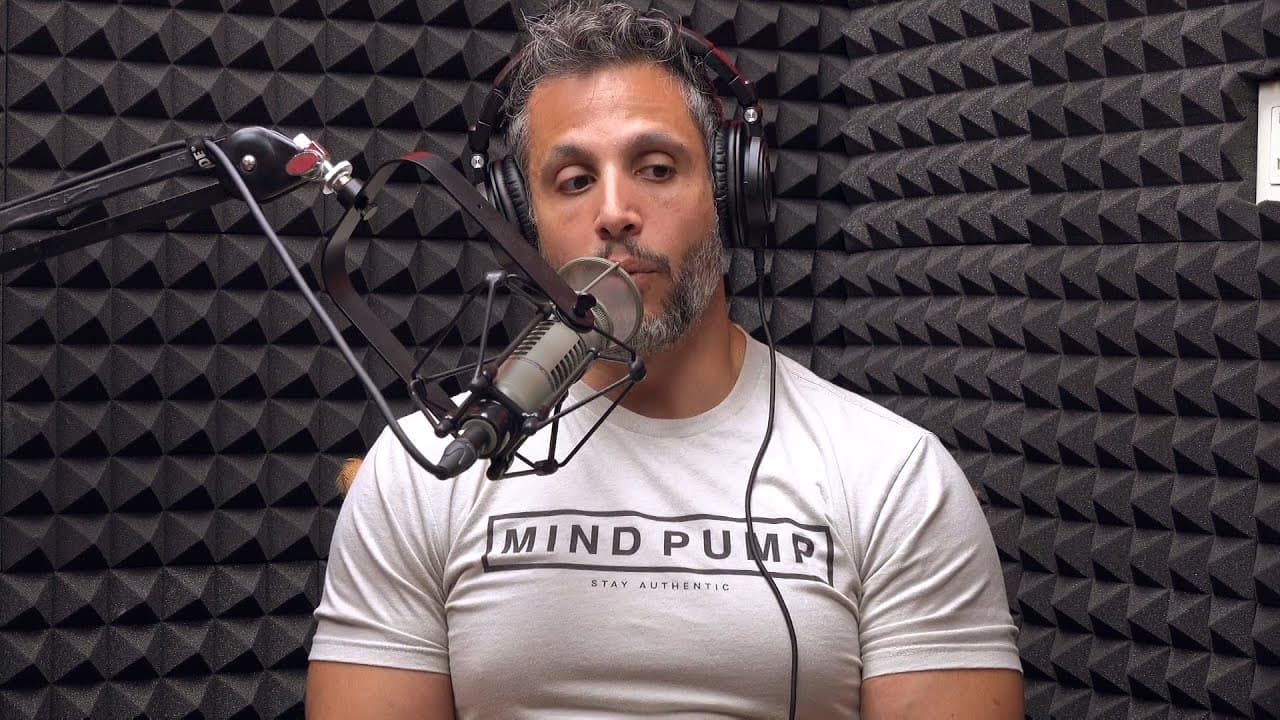
second question is from madison fishy you guys frequently mention consuming point eight to one gram of protein per pound of body weight and mostly from meat for its muscle building effects and satiating factors however we know from data from the blue zones longevity comes from lower protein intake and many of these people don't resistance train wha... Read More
Key Insights
- Blue zones exhibit longevity due to a combination of factors, not just low protein intake. These include high activity levels and sun exposure.
- Lower protein intake is often associated with lower calorie consumption in blue zones, contributing to their longevity.
- Quality of life, including muscle strength and enjoyment, should be considered alongside longevity when determining dietary habits.
- Resistance training might enhance health and longevity even in populations that traditionally do not engage in it.
- Modern lifestyles are often sedentary, unlike those in blue zones, requiring different dietary and exercise considerations.
- Higher protein diets can be balanced with occasional fasting to mimic the benefits of lower calorie diets.
- Protein fasting or adopting a vegan diet occasionally can offer similar benefits to those observed in blue zones.
- Cultural and lifestyle differences must be considered when applying blue zone dietary habits to other populations.
Install to Summarize YouTube Videos and Get Transcripts
Explore YouTube Video Summarizer or Get YouTube Transcript Extractor
Questions & Answers
Q: How do blue zones achieve longevity with low protein intake?
Blue zones achieve longevity through a combination of factors beyond just low protein intake. These include high levels of daily physical activity, exposure to sunlight which provides vitamin D, and a generally low-calorie diet. The synergy of these lifestyle choices contributes to their extended lifespans.
Q: Can resistance training benefit individuals in blue zones?
Resistance training could potentially enhance the health benefits in blue zones. While these populations already exhibit longevity through active lifestyles, introducing resistance training could improve muscle strength and overall health, possibly leading to even better quality of life and longevity.
Q: Is a high protein diet compatible with longevity?
A high protein diet can be compatible with longevity if balanced with other lifestyle factors. Incorporating occasional fasting or protein fasting can help mimic the benefits of low-calorie diets, potentially offering longevity benefits while maintaining muscle mass and strength.
Q: What role does calorie intake play in longevity?
Calorie intake plays a significant role in longevity, as observed in blue zones. These populations consume fewer calories overall, which, in combination with active lifestyles, contributes to their extended lifespans. Managing calorie intake, alongside protein consumption, can influence longevity.
Q: How can modern lifestyles adapt blue zone practices?
Modern lifestyles can adapt blue zone practices by incorporating regular physical activity, managing calorie intake, and considering occasional fasting. While direct replication is challenging due to different environments, adopting key principles can help improve health and longevity.
Q: What is protein fasting, and how does it help?
Protein fasting involves temporarily reducing protein intake, often for a day each week. This practice can offer benefits similar to those seen in low-calorie diets, such as improved metabolic health and longevity, without significantly compromising muscle mass or strength.
Q: Why is it essential to consider quality of life in dietary choices?
Quality of life is crucial in dietary choices because it encompasses more than just longevity. It includes factors like muscle strength, enjoyment of food, and overall well-being. Balancing these aspects with longevity considerations can lead to a more fulfilling and healthier life.
Q: How does a sedentary lifestyle impact protein needs?
A sedentary lifestyle can increase the importance of protein intake for maintaining muscle mass, as physical activity levels are lower. However, balancing protein intake with calorie management and occasional fasting can help achieve health benefits similar to more active lifestyles.
Summary & Key Takeaways
-
The discussion highlights the importance of considering both longevity and quality of life when evaluating dietary choices. While blue zones emphasize low protein and calorie intake, these regions also benefit from active lifestyles and sun exposure.
-
For individuals in sedentary environments, higher protein intake may be necessary for muscle building, but occasional fasting can help achieve benefits similar to low-calorie diets.
-
Resistance training, even minimal, could potentially enhance the already notable health benefits observed in blue zones, suggesting a possible synergy between diet and exercise.
Read in Other Languages (beta)
Share This Summary 📚
Summarize YouTube Videos and Get Video Transcripts with 1-Click
Try YouTube Summary with ChatGPT & Claude or YouTube Transcript Generator
Explore More Summaries from Mind Pump Show 📚



Summarize YouTube Videos and Get Video Transcripts with 1-Click
Try YouTube Summary with ChatGPT & Claude or YouTube Transcript Generator