Contract Law 79 V Liquidated Damages and Settlements

TL;DR
Liquidated damages in contracts are enforceable if they are reasonable and difficult to estimate, but courts will not enforce clauses that serve as penalties or forfeitures.
Transcript
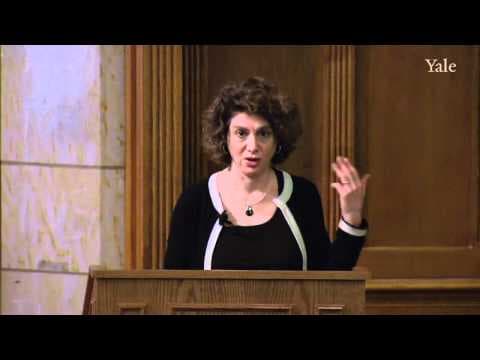
in this lecture I'm going to discuss liquidated damages and agreed remedies and then we'll look at the cellphone termination fee cases from California in 2011 one underlying principle we have seen throughout this course is a strong preference in contract law to compensate the plaintiff instead of to punish the defendant that's why there are severe ... Read More
Key Insights
- 💪 Contract law has a strong preference for compensating plaintiffs rather than punishing defendants.
- ❓ Liquidated damages clauses in contracts must be reasonable and difficult to estimate to be enforceable.
- ❓ Courts will not enforce liquidated damages clauses that are considered penalties or forfeitures.
- 🤔 Economists suggest that liquidated damages provisions should generally be enforced unless there are procedural reasons to think otherwise.
- 🥳 Parties have the ability to contractually specify remedies for breach of contract.
- 🥳 Section 2-719 of the UCC allows parties to set out additional remedies or substitute their own preferred remedies.
- 🥳 Liquidated damages clauses serve a useful function in compensating parties for losses in situations where it is difficult to calculate the actual damages.
Install to Summarize YouTube Videos and Get Transcripts
Explore YouTube Video Summarizer or Get YouTube Transcript Extractor
Questions & Answers
Q: Why are courts reluctant to enforce liquidated damages clauses that are considered penalties or forfeitures?
Courts prefer to compensate the plaintiff rather than punish the defendant in contract law. Liquidated damages clauses that serve as penalties or forfeitures are seen as unconscionable or against public policy.
Q: What criteria must liquidated damages clauses meet to be enforceable?
Liquidated damages clauses must be reasonably related to the actual losses and difficult to calculate. They must be a reasonable proportion to the probable loss and not grossly disproportionate.
Q: How do economists critique the doctrine on liquidated damages?
Economists argue that parties are rational in bargaining for a contract and should be allowed to set liquidated damages based on their private knowledge of the value of losses. They also argue that liquidated damages prevent parties from shifting risk and should be enforced unless there are procedural reasons to think otherwise.
Q: Can parties contractually specify remedies for breach of contract?
Yes, parties may generally specify what remedies will be available for breach of contract. Section 2-719 of the UCC allows parties to set out additional remedies or substitute their own preferred remedies.
Summary & Key Takeaways
-
Liquidated damages clauses in contracts set the amount of damages for breach in advance, providing a useful function in compensating parties for losses.
-
To be enforceable, liquidated damages must be reasonably related to the actual losses and difficult to calculate.
-
Courts will not enforce liquidated damages clauses that are considered penalties or forfeitures, as they are seen as unconscionable or against public policy.
Read in Other Languages (beta)
Share This Summary 📚
Summarize YouTube Videos and Get Video Transcripts with 1-Click
Try YouTube Summary with ChatGPT & Claude or YouTube Transcript Generator
Explore More Summaries from YaleCourses 📚





Summarize YouTube Videos and Get Video Transcripts with 1-Click
Try YouTube Summary with ChatGPT & Claude or YouTube Transcript Generator