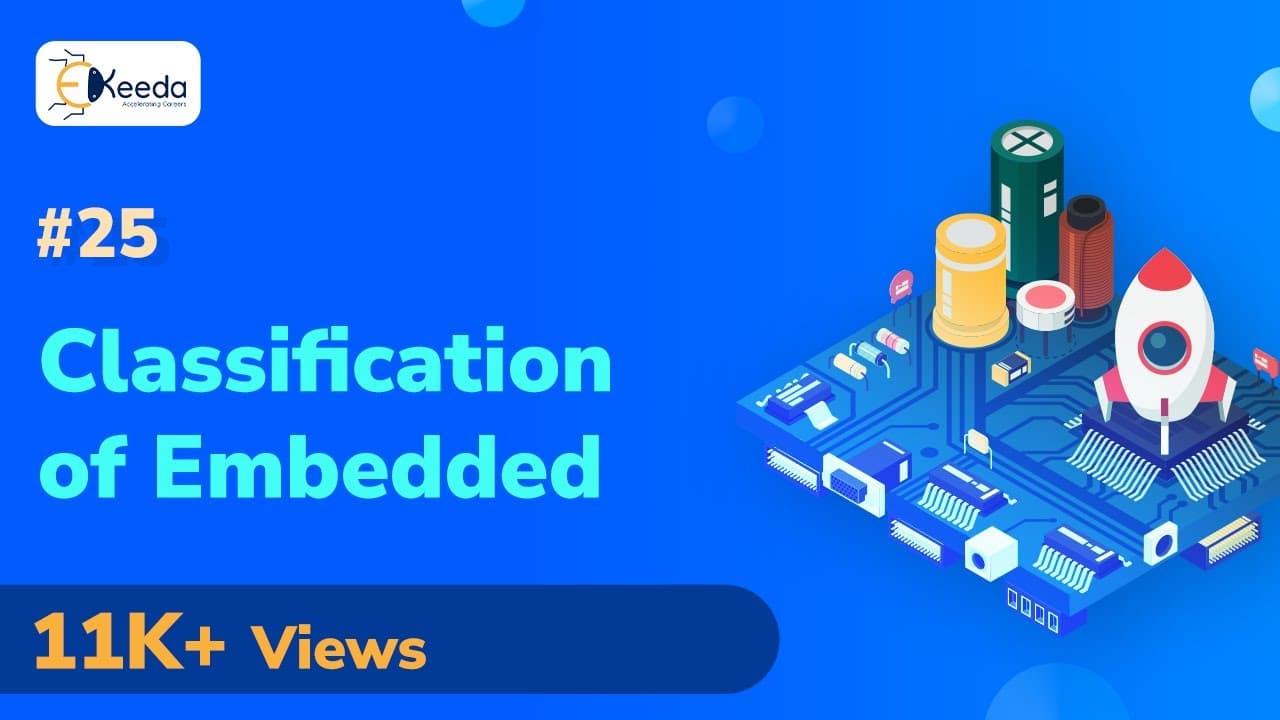
Classification of Embedded - Embedded System - Microcontroller and Embedded Programming
TL;DR
Embedded systems can be classified into small-scale, medium-scale, and sophisticated systems based on their size, with different microcontrollers used and varying levels of complexity.
Transcript
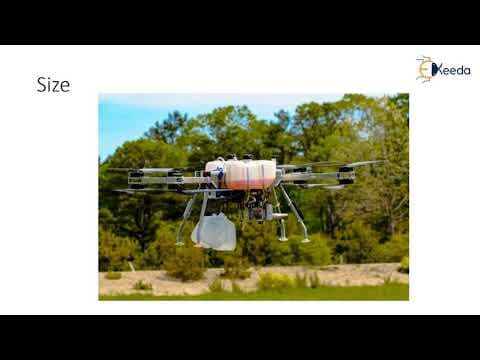
hello friends in this video we will study the classification of embedded system based on the size of the system based on size the embedded system they are classified into small sized large sky scale and the sophisticated embedded system here we will study that which embedded systems come under these three categories and we will also see some of the... Read More
Key Insights
- ⚾ Embedded systems can be classified based on the size of the microcontroller or microprocessor used.
- 🫦 Small-scale embedded systems use 8-bit or 16-bit microcontrollers, have low complexity, and are often battery-operated.
- 🫦 Medium-scale embedded systems use 16-bit to 32-bit microcontrollers, have increased complexity, and may require an operating system or digital signal processors.
- ✋ Sophisticated embedded systems use high-end microcontrollers, have the highest complexity level, often require a real-time operating system, and are used in advanced applications.
- 🦾 Examples of small-scale embedded systems include temperature measurement systems and robotic arm controllers.
- 📠 Examples of medium-scale embedded systems include ATM machines and fax machines.
- 📱 Examples of sophisticated embedded systems include smartphones and multimedia systems.
Install to Summarize YouTube Videos and Get Transcripts
Explore YouTube Video Summarizer or Get YouTube Transcript Extractor
Questions & Answers
Q: How are embedded systems classified based on size?
Embedded systems are classified into small-scale, medium-scale, and sophisticated systems based on the size of the microcontroller or microprocessor used.
Q: What are the characteristics of small-scale embedded systems?
Small-scale embedded systems use 8-bit or 16-bit microcontrollers, have low hardware and software complexities, are often battery-operated, and have small memory requirements.
Q: What distinguishes medium-scale embedded systems from small-scale systems?
Medium-scale embedded systems use 16-bit to 32-bit microcontrollers, have increased complexity in hardware and software, may require an operating system or digital signal processors, and have larger memory requirements.
Q: How are sophisticated embedded systems different from small-scale and medium-scale systems?
Sophisticated embedded systems use high-end microcontrollers (32-bit to 64-bit), have the highest level of complexity in both hardware and software, often require a real-time operating system, and are used in applications such as smartphones and multimedia systems.
Summary & Key Takeaways
-
Embedded systems are classified into three categories based on size: small-scale, medium-scale, and sophisticated systems.
-
Small-scale embedded systems use 8-bit or 16-bit microcontrollers, have low hardware and software complexities, and are often battery-operated.
-
Medium-scale embedded systems use 16-bit to 32-bit microcontrollers, have increased complexity, and may require an operating system or digital signal processors.
-
Sophisticated embedded systems use high-end microcontrollers, have the highest level of complexity, often require a real-time operating system, and are used in applications like smartphones and multimedia systems.
Read in Other Languages (beta)
Share This Summary 📚
Summarize YouTube Videos and Get Video Transcripts with 1-Click
Try YouTube Summary with ChatGPT & Claude or YouTube Transcript Generator
Explore More Summaries from Ekeeda 📚


Summarize YouTube Videos and Get Video Transcripts with 1-Click
Try YouTube Summary with ChatGPT & Claude or YouTube Transcript Generator