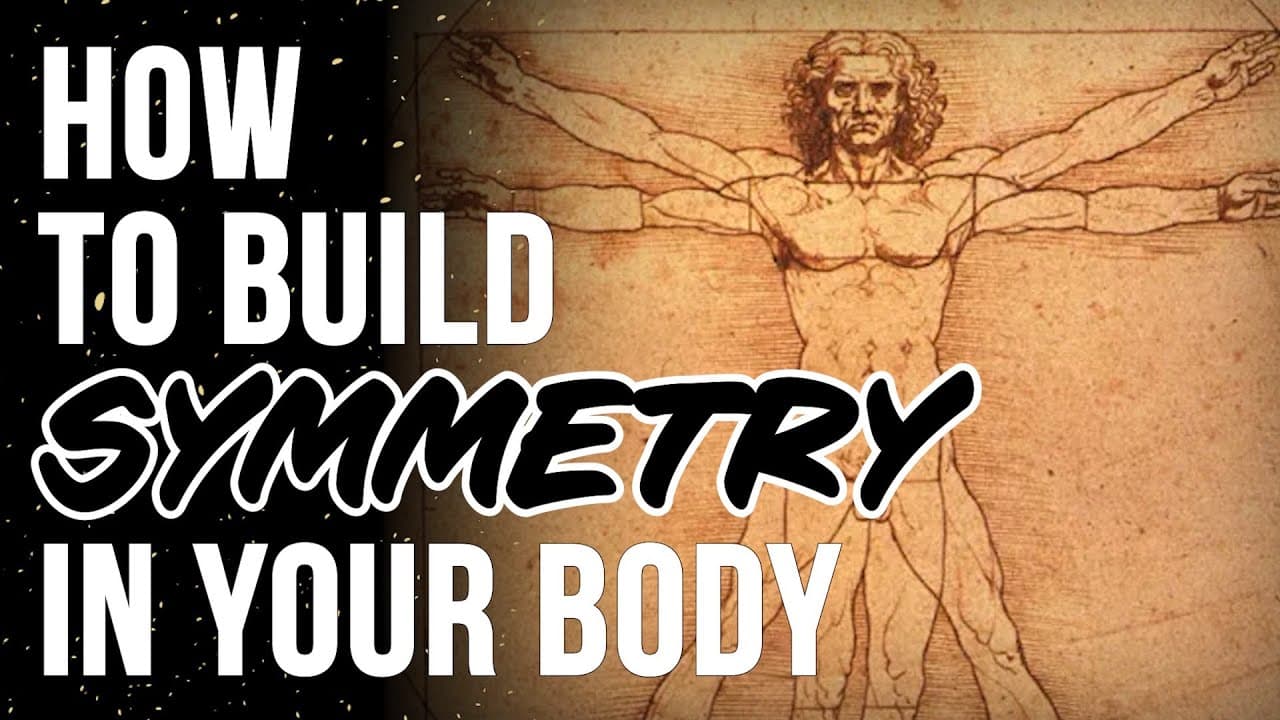
Building Muscle Symmetry After Recovering From An Injury In The Past
TL;DR
Focus on unilateral training to balance muscle symmetry post-injury.
Transcript
trying to build symmetry in your body listen to this our next caller is austin from utah what's up austin how can we help you hey uh first off i've been listening to your podcast for just a few months i probably listened to an episode a day i love you guys i'm grateful for all the information you give and thank you um my question is about three yea... Read More
Key Insights
- Unilateral training is essential for correcting muscle imbalances, especially after injuries, by focusing on the weaker side first.
- Muscle asymmetry post-injury can occur due to hyper-focus on rehabilitation, often leading to the injured side becoming stronger.
- Using an in-body scanner for muscle measurement may not be entirely accurate; personal assessment of strength and stability is crucial.
- Exercises like single-leg step-ups, lunges, and Bulgarian split squats are recommended for unilateral training to enhance muscle symmetry.
- Driving a sled across grass or pavement can improve overall function and balance in the body, aiding in muscle recovery.
- It's common for athletes to experience muscle dominance shift due to focused rehabilitation efforts on the injured side.
- Getting a second medical opinion is advisable if a bone has not fully healed post-injury, as it may affect long-term mobility.
- Unilateral training is particularly beneficial for athletes, providing better balance and stability compared to bilateral training.
Install to Summarize YouTube Videos and Get Transcripts
Explore YouTube Video Summarizer or Get YouTube Transcript Extractor
Questions & Answers
Q: Why might the injured leg have more muscle than the non-injured leg?
The injured leg may have more muscle due to the focused rehabilitation efforts during recovery. When rehabilitating an injury, individuals often concentrate on the affected limb, leading to increased muscle engagement and growth. This focused attention can result in the injured leg becoming stronger and more muscular than the non-injured leg.
Q: What exercises are recommended for correcting muscle asymmetry?
To correct muscle asymmetry, the podcast recommends unilateral exercises such as single-leg step-ups, lunges, Bulgarian split squats, and sled driving. These exercises focus on one leg at a time, allowing the weaker side to catch up with the stronger side. This approach helps in balancing muscle strength and size effectively.
Q: How accurate are in-body scanners for measuring muscle mass?
In-body scanners, while useful, may not always provide accurate measurements of muscle mass. They can be influenced by various factors such as hydration levels and body composition changes. Personal assessment of strength, stability, and functional ability, alongside scanner results, provides a more comprehensive understanding of muscle balance.
Q: Why is unilateral training important for athletes?
Unilateral training is crucial for athletes as it enhances balance, stability, and muscle symmetry. It mimics natural movements like walking and running, which are unilateral. This type of training helps athletes improve their performance by ensuring each side of the body is equally strong, reducing the risk of injury and enhancing overall athletic ability.
Q: What should you do if a bone hasn’t fully healed post-injury?
If a bone hasn't fully healed post-injury, it is advisable to seek a second medical opinion. Incomplete bone healing can affect mobility and long-term health. A healthcare professional can provide guidance on potential treatments or interventions needed to ensure proper healing and prevent future complications.
Q: How does unilateral training benefit general fitness?
Unilateral training benefits general fitness by improving muscle balance, coordination, and stability. It allows individuals to identify and address muscle imbalances, leading to better overall strength and performance. By focusing on one side at a time, people can ensure that both sides of their body develop evenly, reducing the risk of injury.
Q: What are the benefits of sled driving in muscle recovery?
Sled driving is beneficial for muscle recovery as it enhances functional strength, balance, and coordination. It involves pushing or pulling a weighted sled, which engages multiple muscle groups and improves cardiovascular fitness. This exercise is particularly useful for developing lower body strength and correcting muscle imbalances after an injury.
Q: Why is a second medical opinion recommended for incomplete bone healing?
A second medical opinion is recommended for incomplete bone healing to ensure that the initial assessment and treatment plan are accurate. Another healthcare professional may provide different insights or suggest alternative treatments that could facilitate better healing. This step is crucial for preventing long-term issues and ensuring optimal recovery.
Summary & Key Takeaways
-
The podcast discusses how to address muscle asymmetry after an injury, emphasizing the importance of unilateral training. It explains that focusing on the weaker leg first can help balance muscle strength and size. The hosts recommend exercises like single-leg step-ups and sled driving to improve muscle symmetry.
-
The discussion highlights the common occurrence of the injured side becoming stronger due to focused rehabilitation. This shift in muscle dominance can be managed by prioritizing unilateral exercises. The hosts also suggest getting a second opinion if there are concerns about incomplete bone healing.
-
The hosts share personal experiences and expert insights on the benefits of unilateral training for athletes and general fitness. They note that unilateral exercises enhance balance and stability, which are crucial for both rehabilitation and athletic performance. The podcast encourages listeners to adopt these strategies for better muscle symmetry.
Read in Other Languages (beta)
Share This Summary 📚
Summarize YouTube Videos and Get Video Transcripts with 1-Click
Try YouTube Summary with ChatGPT & Claude or YouTube Transcript Generator
Explore More Summaries from Mind Pump Show 📚

Summarize YouTube Videos and Get Video Transcripts with 1-Click
Try YouTube Summary with ChatGPT & Claude or YouTube Transcript Generator