How Taiwan's Election Impacts U.S.-China Relations
TL;DR
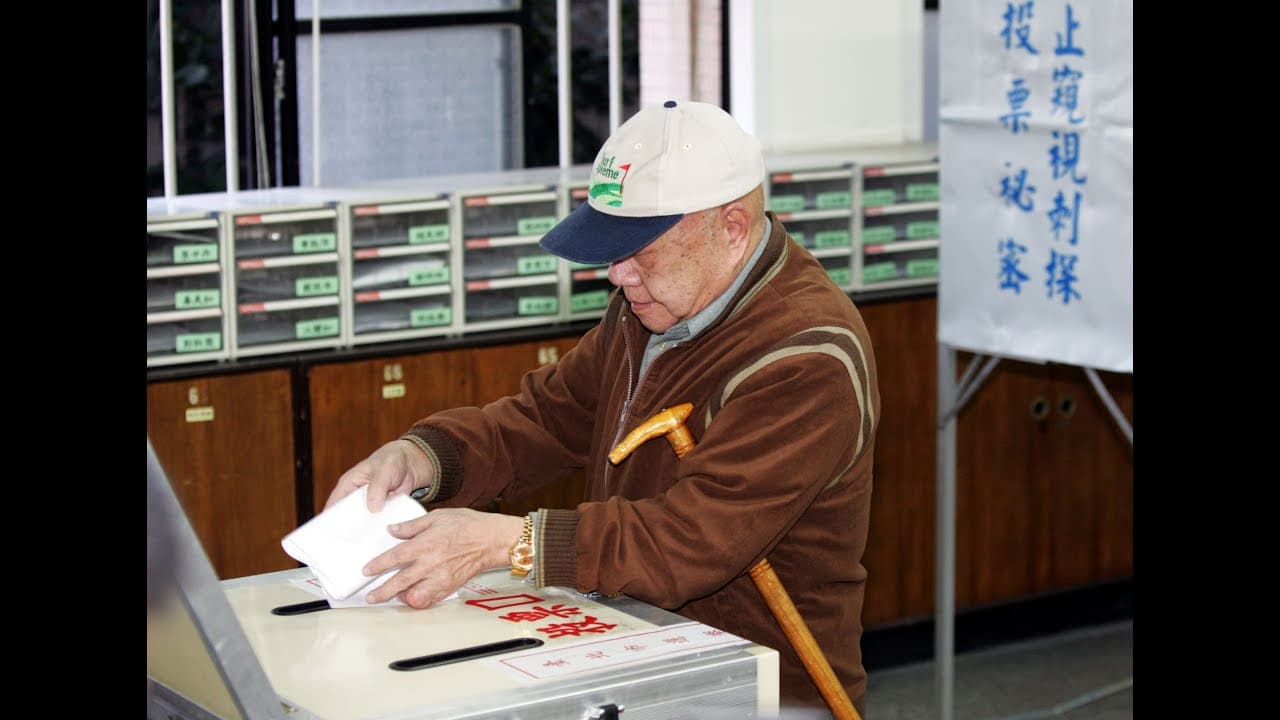
Taiwan's upcoming election features three main candidates, each with distinct approaches to relations with China and defense policies. All candidates agree on strengthening ties with the U.S. and Japan, but differ on engagement with China. The election outcome could shape Taiwan's foreign policy and defense strategy, impacting regional stability.
Transcript
STARES: Thanks very much, Emily. Good day, everyone. Welcome to this Council on Foreign Relations briefing on the upcoming Taiwanese elections, due this Saturday. Thank you all for tuning in today. We particularly welcome our corporate members as well as the media, who are also joining us. For those who don’t know me, I’m Paul Stares. I’m a s... Read More
Key Insights
- Taiwan's election features a three-way race with candidates advocating different approaches to China but agreeing on U.S. ties.
- The KMT candidate, Hou Yu-ih, emphasizes dialogue with China and endorses the 1992 Consensus.
- Vice President Lai of the DPP focuses on strengthening ties with the U.S. and Japan, rejecting the 1992 Consensus.
- Ko Wen-je of the Taiwan People's Party appeals to younger voters, advocating pragmatic policies without endorsing the 1992 Consensus.
- China views the election as a choice between war and peace, preferring the KMT's approach.
- Taiwan's defense policy is a key election issue, with all candidates supporting increased defense spending and cooperation with the U.S.
- Economic issues, such as housing affordability and wage stagnation, are significant voter concerns.
- Taiwan's vibrant democracy faces challenges such as an aging population and the need for immigration reform.
Install to Summarize YouTube Videos and Get Transcripts
Explore YouTube Video Summarizer or Get YouTube Transcript Extractor
Questions & Answers
Q: How do the candidates differ in their approach to Taiwan's defense policy?
All candidates agree on the importance of increasing defense spending and strengthening ties with the U.S. However, Hou Yu-ih of the KMT has historically placed less emphasis on defense, focusing on cross-strait dialogue. Lai and Ko support continuing Tsai Ing-wen's defense policies, including conscription and indigenous defense capabilities.
Q: What is the significance of the 1992 Consensus in the election?
The 1992 Consensus is a key issue in Taiwan's election, with Hou Yu-ih endorsing it as a basis for dialogue with China. In contrast, Vice President Lai rejects it, equating it with one country, two systems. Ko Wen-je has not endorsed the consensus, positioning himself as a pragmatic alternative.
Q: How does China view Taiwan's election?
China views Taiwan's election as a choice between war and peace, preferring Hou Yu-ih's approach of dialogue and the 1992 Consensus. China perceives Lai as a threat to peace, given his rejection of the consensus. A Lai victory could lead to increased pressure from China, including economic and military actions.
Q: What role does the U.S. play in Taiwan's election?
The U.S. is a critical partner for Taiwan, with all candidates emphasizing the importance of U.S.-Taiwan relations. The U.S. is likely to support Taiwan's defense and urge China to engage in dialogue with Taiwan's democratically elected leader, regardless of the election outcome.
Q: How might the election impact Taiwan's foreign policy?
Taiwan's foreign policy could shift depending on the election outcome. A Lai victory would likely focus on strengthening ties with the U.S., Japan, and other democracies, while Hou might prioritize cross-strait dialogue. Ko's pragmatic approach could lead to a mix of these strategies.
Q: What domestic issues are influencing voter preferences?
Economic concerns, such as housing affordability and wage stagnation, are significant voter issues. Additionally, Taiwan faces challenges like an aging population and the need for immigration reform. Social issues, including women's rights and same-sex marriage, also play a role in shaping voter preferences.
Q: How does Taiwan's election process ensure transparency?
Taiwan's election process is transparent, with votes counted immediately after polls close. The absence of absentee voting requires voters to cast ballots in person, ensuring integrity. The Central Election Commission oversees the process, providing confidence in the election's outcome.
Q: What challenges does Taiwan's democracy face?
Taiwan's young democracy faces challenges such as an aging population, low birth rates, and the need for immigration reform. The political landscape is complicated by cross-strait relations and the influence of external powers like China and the U.S. Social issues, including human rights and gender equality, continue to evolve.
Summary & Key Takeaways
-
Taiwan's election is a pivotal moment with three main candidates: Hou Yu-ih (KMT), Vice President Lai (DPP), and Ko Wen-je (TPP). Each candidate offers a distinct approach to China, with Hou favoring dialogue and Lai focusing on U.S. and Japan ties. The election outcome could significantly impact Taiwan's foreign policy and defense strategy.
-
China's stance on the election is clear, favoring Hou Yu-ih's approach of dialogue and the 1992 Consensus. A victory for Lai could lead to increased pressure from China, including economic sanctions and military maneuvers. The international community, particularly the U.S., is likely to respond by urging dialogue and supporting Taiwan's defense.
-
Domestic issues such as housing affordability, wage stagnation, and energy policy are critical in shaping voter preferences. Taiwan's young democracy also faces challenges like an aging population and immigration reform. The election's impact on Taiwan's legislature could influence future policy directions, particularly in defense and foreign affairs.
Read in Other Languages (beta)
Share This Summary 📚
Summarize YouTube Videos and Get Video Transcripts with 1-Click
Try YouTube Summary with ChatGPT & Claude or YouTube Transcript Generator
Explore More Summaries from Council on Foreign Relations 📚

Summarize YouTube Videos and Get Video Transcripts with 1-Click
Try YouTube Summary with ChatGPT & Claude or YouTube Transcript Generator