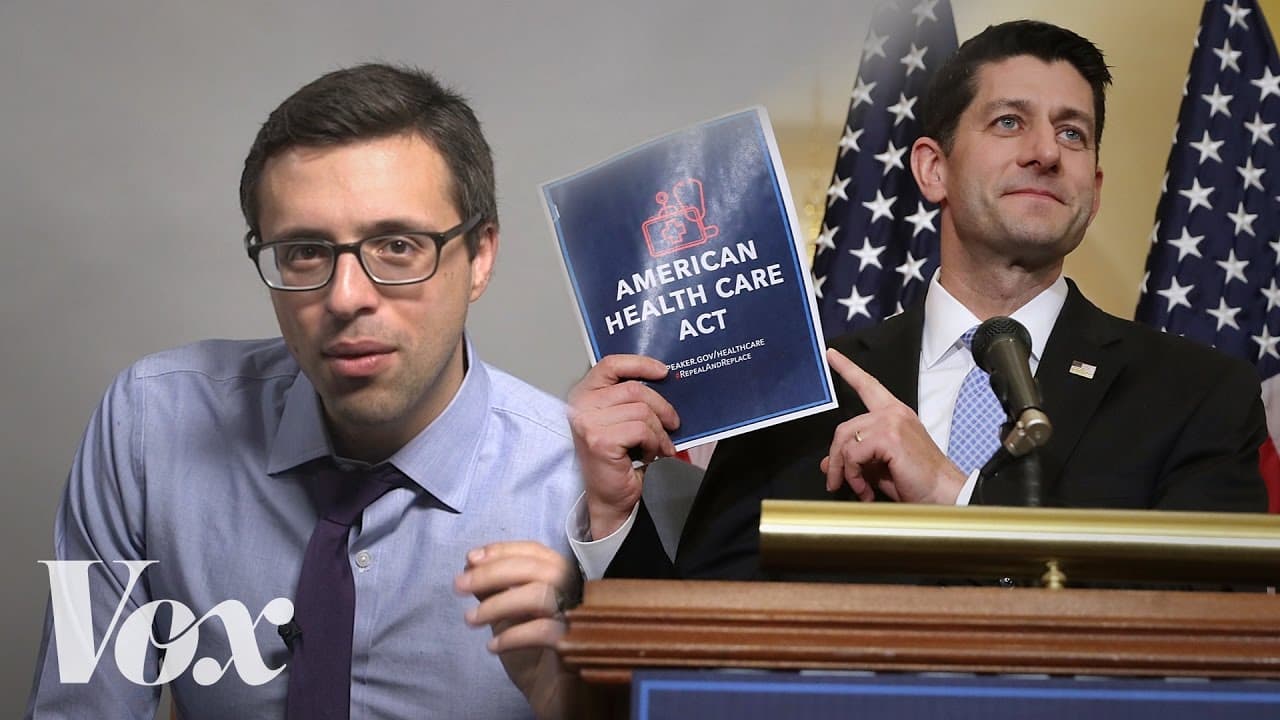
The GOP health care plan: The more you need, the less you get
TL;DR
GOP health bill increases uninsured, benefits rich, burdens poor.
Transcript
I have rarely seen a document in politics as completely devastating as the analysis the Congressional Budget Office just released of the Republican health care bill. We’re going to get into details in a minute, but here’s a one-sentence summary: Under the GOP bill, the more help you need, the less you get. It will make more people uninsured than li... Read More
Key Insights
- The GOP health care bill could result in more uninsured individuals than the population of New York state, indicating a significant increase in the uninsured rate.
- The proposed bill is particularly detrimental to older, poorer, and sicker populations while favoring the young, healthy, and wealthy, showcasing a stark disparity in impact.
- Medicaid would be severely reduced under the bill, and insurance subsidies from Obamacare would be halved, reducing financial assistance for low-income individuals.
- Insurance companies would be allowed to charge older Americans significantly higher premiums, up to 500% more than younger individuals, exacerbating age-based financial burdens.
- The bill includes substantial tax cuts for the wealthy, amounting to hundreds of billions of dollars, reflecting a shift in financial priorities away from public health support.
- There is a significant decrease in the value of insurance subsidies for both the poor and the elderly, making it harder for these groups to afford necessary health coverage.
- The bill allows insurers to offer plans that cover fewer medical expenses, increasing out-of-pocket costs for those who remain insured, further reducing the quality of coverage.
- Despite claims of improved access to affordable care, the bill effectively reduces affordability and accessibility, contradicting its stated goals and potentially betraying voter expectations.
Install to Summarize YouTube Videos and Get Transcripts
Explore YouTube Video Summarizer or Get YouTube Transcript Extractor
Questions & Answers
Q: What is the main criticism of the GOP health care bill?
The main criticism of the GOP health care bill is that it significantly increases the number of uninsured individuals, particularly affecting older, poorer, and sicker populations. It reduces Medicaid funding, cuts insurance subsidies, and allows for higher premiums for older Americans, while providing tax cuts for the wealthy.
Q: How does the bill impact older Americans specifically?
The bill impacts older Americans by allowing insurance companies to charge them up to 500% more than younger individuals. This substantial increase in premiums makes it difficult for older individuals to afford insurance, effectively driving many out of the market and increasing their financial burden.
Q: What changes does the bill propose for Medicaid?
The bill proposes significant cuts to Medicaid, reducing the financial support available for low-income individuals who rely on this program for health coverage. This reduction in funding is expected to lead to a decrease in Medicaid enrollment and access to essential health services for vulnerable populations.
Q: What are the financial implications of the bill for the wealthy?
The bill provides substantial tax cuts for the wealthy, amounting to hundreds of billions of dollars. This shift in financial priorities reflects a focus on benefiting higher-income groups at the expense of reducing public health support and increasing the uninsured rate among lower-income individuals.
Q: How does the bill affect insurance coverage quality?
The bill allows insurers to offer plans that cover fewer medical expenses, which increases out-of-pocket costs for those who remain insured. This reduction in coverage quality means that even those with insurance may face significant financial barriers to accessing necessary health care services.
Q: What is the expected political impact of the bill's implementation?
The implementation of the bill is expected to lead to significant political repercussions, as it contradicts promises made by Republican leaders to improve health care access and affordability. The bill's negative impact on vulnerable populations may lead to voter dissatisfaction and potential electoral consequences for those who supported it.
Q: How does the bill's approach to health care differ from previous policies?
The bill's approach differs from previous policies by reducing financial assistance for low-income individuals and allowing for greater disparities in insurance costs based on age. It shifts the focus from expanding coverage and affordability to providing financial benefits for the wealthy, marking a significant departure from previous health care priorities.
Q: What are the contradictions in the bill's stated goals and actual effects?
The bill's stated goals of improving access to affordable care are contradicted by its actual effects, which include making insurance less affordable and accessible. By increasing premiums for older individuals and cutting subsidies, the bill reduces rather than enhances access to health care, failing to meet its purported objectives.
Summary & Key Takeaways
-
The GOP health care bill is projected to increase the number of uninsured Americans significantly, surpassing the population of New York state. It disproportionately affects older, poorer, and sicker individuals while benefiting the young, healthy, and wealthy, highlighting a major shift in policy priorities.
-
Key elements of the bill include substantial cuts to Medicaid, reduced insurance subsidies, and increased premiums for older Americans. The bill also provides significant tax cuts for the wealthy, suggesting a focus on financial benefits for higher-income groups over health coverage for vulnerable populations.
-
The bill's purported goal of improving access to affordable care is contradicted by its actual effects, which include making insurance less affordable and accessible. This has raised concerns about the bill's alignment with voter expectations and promises made by Republican leaders, suggesting potential political repercussions.
Read in Other Languages (beta)
Share This Summary 📚
Summarize YouTube Videos and Get Video Transcripts with 1-Click
Try YouTube Summary with ChatGPT & Claude or YouTube Transcript Generator
Explore More Summaries from Vox 📚


Summarize YouTube Videos and Get Video Transcripts with 1-Click
Try YouTube Summary with ChatGPT & Claude or YouTube Transcript Generator