Can we edit memories? | Amy Milton
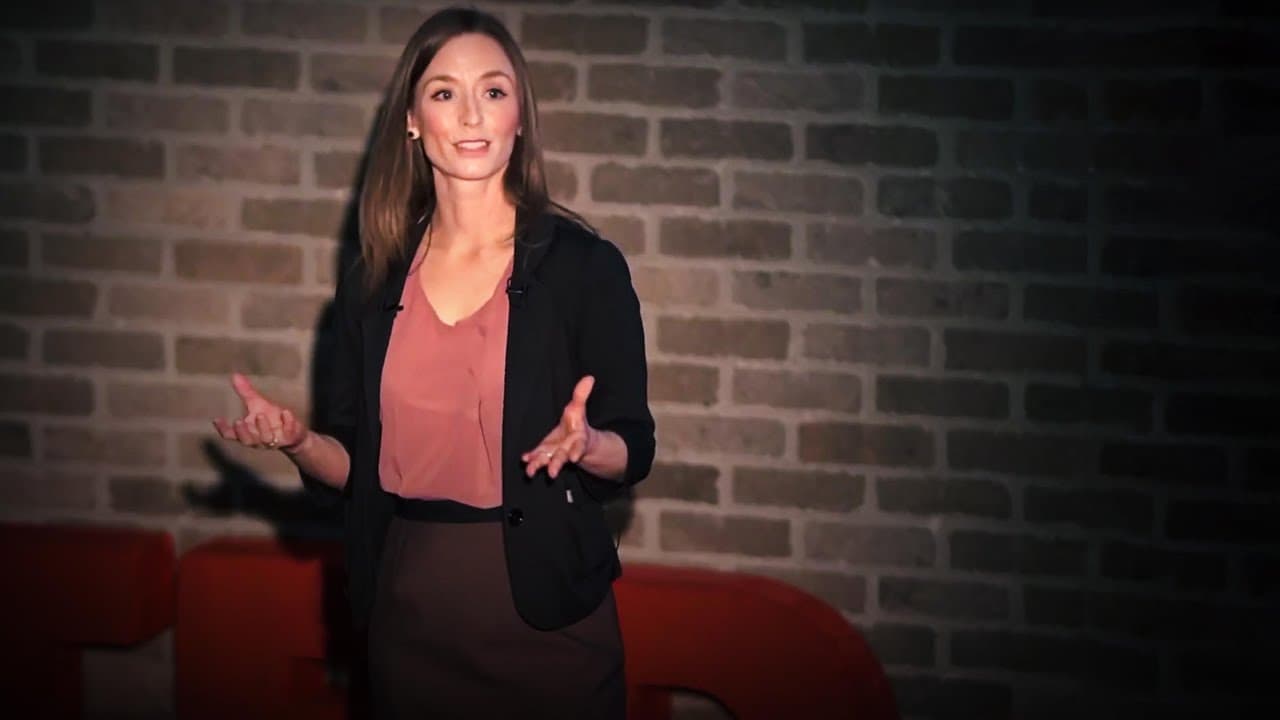
TL;DR
Memory editing could transform PTSD treatment by targeting maladaptive memories.
Transcript
Transcriber: Joseph Geni Reviewer: Camille Martínez Memory is such an everyday thing that we almost take it for granted. We all remember what we had for breakfast this morning or what we did last weekend. It's only when memory starts to fail that we appreciate just how amazing it is and how much we allow our past experiences to define us. B... Read More
Key Insights
- Memory is complex, with different types such as declarative and non-declarative, each involving distinct brain regions like the hippocampus and amygdala.
- PTSD is characterized by maladaptive memories that cause fear and anxiety, affecting a person's quality of life significantly.
- Recent research suggests memories can be edited under specific conditions, challenging the traditional view of memory permanence.
- Propranolol, a beta-blocker, has shown promise in disrupting fear memories in both animals and humans when administered during memory retrieval.
- Memory editing focuses on reducing emotional responses without erasing the declarative aspects of traumatic memories, maintaining ethical considerations.
- Non-pharmacological interventions, such as playing Tetris, may interfere with memory reconsolidation by introducing competing cognitive tasks.
- Clinical trials have shown promising results for memory editing techniques in reducing PTSD symptoms in trauma survivors.
- Ethical considerations remain a concern, but memory editing aims to alleviate emotional distress rather than completely erase traumatic experiences.
Install to Summarize YouTube Videos and Get Transcripts
Explore YouTube Video Summarizer or Get YouTube Transcript Extractor
Questions & Answers
Q: What is the main focus of the video content?
The main focus of the video is on understanding the complexities of memory, particularly in relation to PTSD, and exploring innovative treatment approaches that involve editing maladaptive memories. The video discusses how recent research has challenged traditional views of memory permanence, offering potential new methods for alleviating PTSD symptoms by targeting emotional memories.
Q: How does the reconsolidation view differ from the traditional consolidation view of memory?
The reconsolidation view differs from the traditional consolidation view by proposing that memories are not permanently fixed once formed. Instead, they can be edited or altered under certain conditions. This challenges the idea that memories are like ink in a notebook, unchangeable once set, and suggests they are more like files in a word processor, capable of being opened and modified.
Q: What role does Propranolol play in memory editing for PTSD treatment?
Propranolol, a beta-blocker, plays a crucial role in memory editing by disrupting the reconsolidation of fear memories when administered during memory retrieval. It selectively targets non-declarative emotional memories, reducing the fear response associated with traumatic cues while leaving declarative memory intact. This makes it a promising tool in treating PTSD by alleviating emotional distress linked to trauma.
Q: Can non-pharmacological interventions aid in memory editing?
Yes, non-pharmacological interventions like playing Tetris can aid in memory editing. These interventions work by introducing competing cognitive tasks during memory retrieval, which interferes with the reconsolidation process. By engaging the same brain regions, these tasks can reduce the emotional impact of memories, offering a drug-free alternative for treating symptoms of PTSD.
Q: What ethical considerations arise from memory editing techniques?
Ethical considerations in memory editing include the potential impact on eyewitness testimony and the broader implications of altering memories. The focus is on reducing emotional distress without erasing declarative memories, maintaining ethical integrity. The aim is not to create a 'spotless mind' but to alleviate the emotional burden of trauma, making the approach more ethically acceptable.
Q: How do stress levels affect different types of memory during trauma?
During trauma, high stress levels can have opposing effects on different types of memory. The hippocampus, responsible for declarative memory, may shut down under extreme stress, impairing the storage of specific details. In contrast, the amygdala, which supports emotional memory, becomes more active, strengthening emotional responses. This imbalance contributes to the maladaptive memories seen in PTSD.
Q: What promising results have been observed in clinical trials for memory editing?
Clinical trials for memory editing have shown promising results in reducing PTSD symptoms in trauma survivors. Techniques involving Propranolol and behavioral interventions like Tetris have demonstrated efficacy in alleviating emotional distress associated with traumatic memories. These trials indicate potential for new treatment options that can improve mental health outcomes for those affected by PTSD.
Q: What is the potential impact of memory editing on PTSD treatment?
Memory editing holds significant potential for transforming PTSD treatment by targeting maladaptive emotional memories. By reducing the emotional impact of traumatic cues without erasing the declarative memory, this approach can alleviate the distress associated with PTSD. It offers a novel therapeutic avenue that could improve the quality of life for individuals suffering from trauma-related disorders.
Summary & Key Takeaways
-
Memory is a multifaceted concept involving different types and brain regions. PTSD is linked to maladaptive memories causing significant distress. Recent advances suggest memories can be edited, challenging traditional views of memory permanence.
-
Propranolol, a beta-blocker, has shown potential in disrupting fear memories during memory retrieval, offering a novel approach to PTSD treatment. Non-pharmacological interventions like Tetris may also aid memory editing by introducing competing tasks.
-
Ethical considerations are crucial, as memory editing aims to reduce emotional distress without erasing declarative memories. Clinical trials indicate promising results for memory editing in alleviating PTSD symptoms, offering hope for improved mental health outcomes.
Read in Other Languages (beta)
Share This Summary 📚
Summarize YouTube Videos and Get Video Transcripts with 1-Click
Try YouTube Summary with ChatGPT & Claude or YouTube Transcript Generator
Explore More Summaries from TED 📚
Summarize YouTube Videos and Get Video Transcripts with 1-Click
Try YouTube Summary with ChatGPT & Claude or YouTube Transcript Generator