8 Scary Animals That Are Totally Harmless
TL;DR
Animals have developed defense mechanisms to appear dangerous and scare off predators, despite being harmless themselves.
Transcript
Claws. Scales. Horns. Teeth. Lots of animals are equipped to look, and act, downright terrifying. But a lot of the time, these appearances are deceiving. And they’re deceiving on purpose! Defense mechanisms exist, after all, to help animals evade predators when they really don’t have much else going for them. If you’re the kind of creature that jus... Read More
Key Insights
- 🫱 Animals have evolved various defense mechanisms that make them appear scary to ward off predators.
- ❓ Batesian mimicry is a common strategy employed by harmless species to mimic the appearance of harmful species.
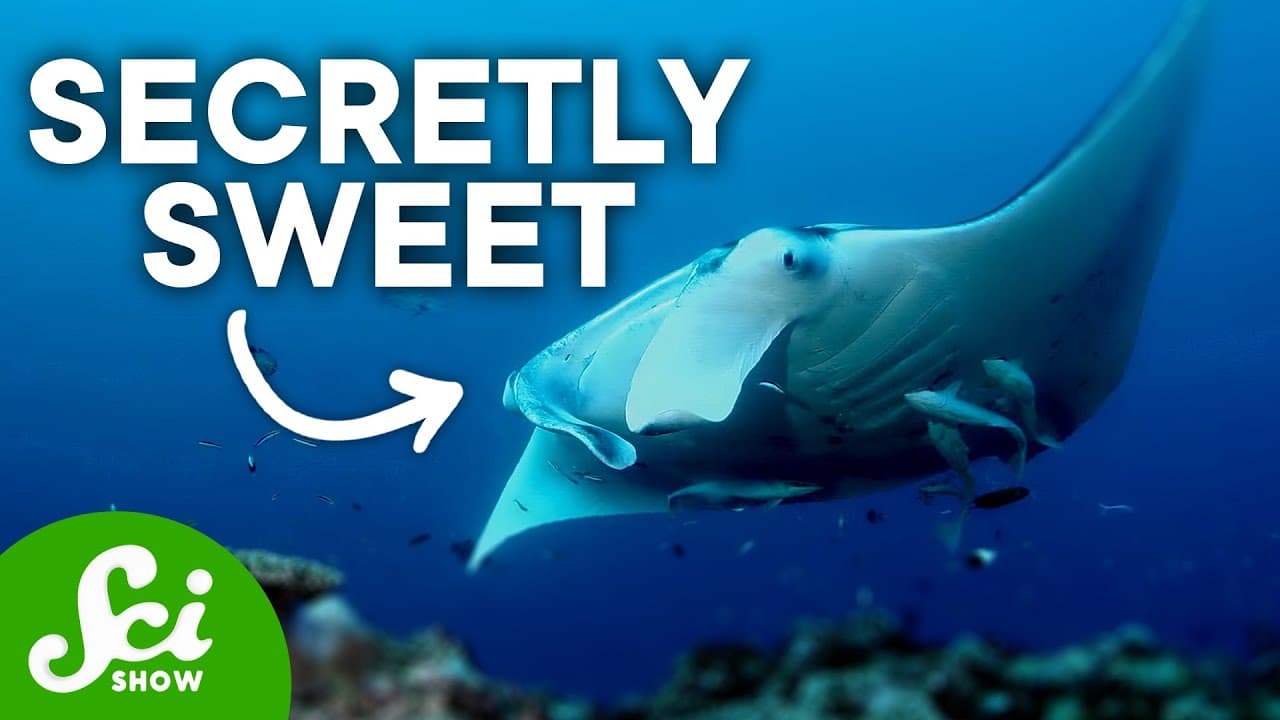
- 📿 Despite their terrifying appearances, creatures such as the aye-aye, hoverfly, mimic octopus, basking shark, manta ray, Goliath birdeater spider, whip scorpion, and thorny dragon lizard are harmless to humans.
- 🆘 Many of these harmless creatures have been hunted extensively due to their fearsome appearance, but conservation efforts are helping protect them.
Install to Summarize YouTube Videos and Get Transcripts
Explore YouTube Video Summarizer or Get YouTube Transcript Extractor
Questions & Answers
Q: Why do harmless animals develop scary appearances?
Harmless animals develop scary appearances as a defense mechanism to scare off predators and avoid being preyed upon.
Q: How does the aye-aye use its creepy appearance to its advantage?
The aye-aye uses its long middle finger, which is its creepiest feature, to tap on tree trunks and startle insects living inside. It then uses its finger to dig into the trunk and scoop out its prey.
Q: What is Batesian mimicry?
Batesian mimicry is when a harmless species imitates the appearance and behavior of a harmful species. An example is the hoverfly, which mimics the appearance of wasps and hornets but cannot sting.
Q: How does the mimic octopus deceive its predators?
The mimic octopus can change its color pattern and body shape to mimic various poisonous predators, such as lionfish, banded sea snakes, jellyfish, and sea anemones. It uses this deception to deter potential predators.
Summary & Key Takeaways
-
Animals have evolved various physical features and behaviors to appear terrifying, despite being harmless.
-
Examples include the aye-aye, which has a creepy appearance but is actually a nocturnal primate that eats bugs, and the hoverfly, which mimics the appearance and behavior of wasps to ward off predators.
-
The mimic octopus, basking shark, manta ray, Goliath birdeater spider, whip scorpion, and thorny dragon lizard are also creatures that look scary but are harmless in reality.
Read in Other Languages (beta)
Share This Summary 📚
Summarize YouTube Videos and Get Video Transcripts with 1-Click
Try YouTube Summary with ChatGPT & Claude or YouTube Transcript Generator
Explore More Summaries from SciShow 📚



Summarize YouTube Videos and Get Video Transcripts with 1-Click
Try YouTube Summary with ChatGPT & Claude or YouTube Transcript Generator