The magic ingredient that brings Pixar movies to life | Danielle Feinberg
TL;DR
This speaker shares her journey from wanting to be an artist to becoming a lighting artist at Pixar Animation Studios, combining art and science to create magical worlds.
Transcript
When I was seven years old, some well-meaning adult asked me what I wanted to be when I grew up. Proudly, I said: "An artist." "No, you don't," he said, "You can't make a living being an artist!" My little seven-year-old Picasso dreams were crushed. But I gathered myself, went off in search of a new dream, eventually settling on being a scientist, ... Read More
Key Insights
- 🎨 The speaker's childhood dream of becoming an artist was discouraged by others, but she found a love for computer programming and animation, ultimately working at Pixar Animation Studios.
- 💡 Lighting plays a vital role in bringing animated worlds to life, with the speaker explaining the process of placing lights in a three-dimensional computer-generated environment.
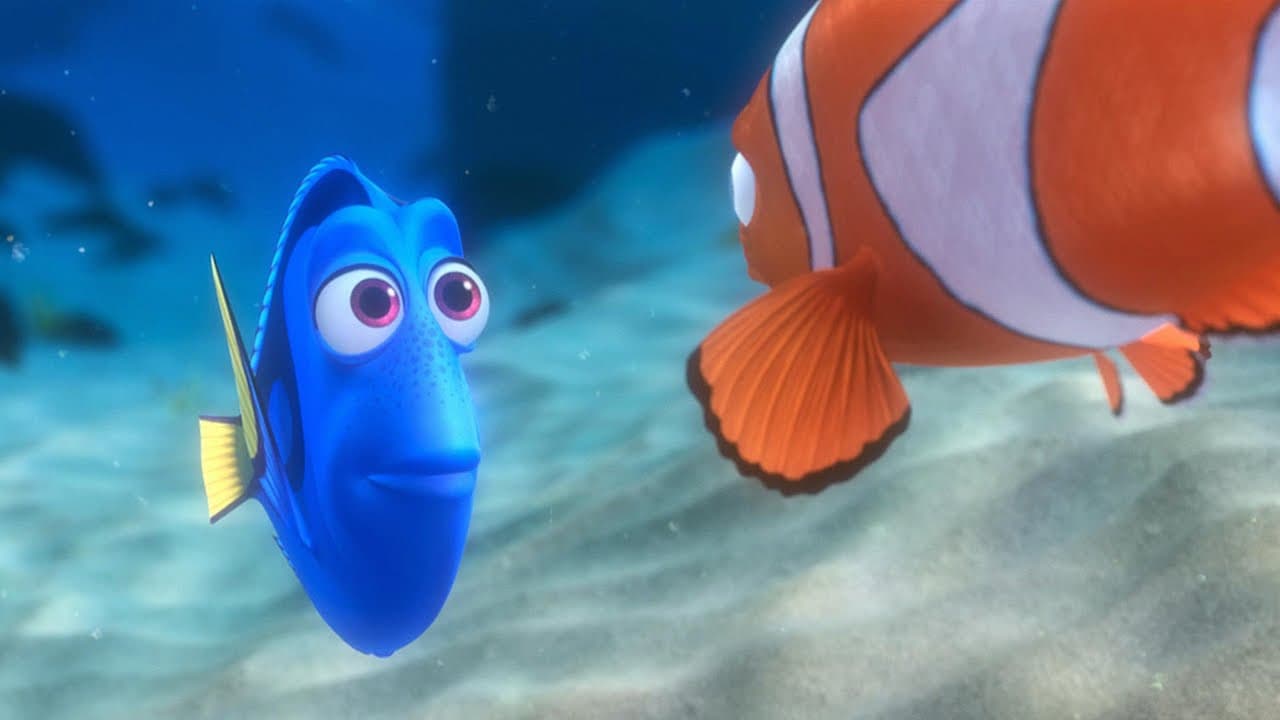
- 🌊 In the movie "Finding Nemo," the team used research and coding to recreate the underwater environment realistically, including the behavior of light, visibility, and the movement of particles.
- 🔬 While science provides a backbone for creating believable animated worlds, artistic freedom is still essential, allowing for creative interpretations and alterations for storytelling and mood.
- 💡 The importance of attention to detail is highlighted, as the team focused on resolving a reflection problem in WALL-E's binoculars to bring the character to life and convey emotion.
- 🎥 The speaker emphasizes the beauty of unexpected moments, such as unlocking a robot's soul or discovering the key to a visually challenging scene, like the jellyfish scene in "Finding Nemo."
- ✨ The combination of math, science, and code with storytelling and art elevates animated worlds to a place of wonder and believability, allowing imagination to become reality.
- 🔬 The speaker concludes by embracing her identity as both a scientist and an artist, highlighting the power and fulfillment of merging art and science in the world of animation.
Install to Summarize YouTube Videos and Get Transcripts
Explore YouTube Video Summarizer or Get YouTube Transcript Extractor
Questions & Answers
Q: What career did the speaker originally dream of pursuing when they were seven years old?
The speaker originally dreamed of being an artist when they were seven years old.
Q: Who discouraged the speaker from pursuing their dream of being an artist?
A well-meaning adult discouraged the speaker from pursuing their dream of being an artist, claiming that one cannot make a living as an artist.
Q: How did the speaker's interest in computer programming come about?
The speaker's interest in computer programming developed during their college years, specifically in their junior year when their computer graphics professor introduced them to computer animation.
Q: What made the speaker fall in love with lighting?
The speaker fell in love with lighting when they saw how it could transform a three-dimensional computer-generated world into a lifelike and immersive environment.
Q: How does the speaker use science in their work at Pixar Animation Studios?
The speaker uses scientific principles, such as the physics of light and movement, to create a believable world in their animated films. However, they also acknowledge the importance of artistic touch and storytelling in achieving this goal.
Q: How did the speaker solve the reflection problem with WALL-E's binoculars?
To solve the reflection problem with WALL-E's binoculars, the speaker added a light that accidentally leaked into his eyes, causing his gray aperture blades to be visible. This created a sense of depth and emotion, making WALL-E feel more like a character with a soul.
Q: How did the speaker approach the challenge of creating a beautiful jellyfish scene in "Finding Nemo"?
Despite struggling to bring the scene together initially, the speaker believed it could be beautiful and focused on balancing the blues and pinks, along with incorporating caustics and fog beams. Their dedication paid off when the director and production designer applauded the final result.
Q: What does the speaker believe the interweaving of art and science can achieve in creating animated worlds?
The speaker believes that the combination of art and science can elevate animated worlds to a place of wonder and soul, where the audience can believe in and be immersed in the stories. It allows for the realization of imagined concepts and blurs the boundaries between being a scientist and an artist.
Summary & Key Takeaways
-
The speaker initially wanted to be an artist but was discouraged from pursuing it as a career. They then became interested in science, coding, and computer graphics, leading them to work at Pixar Animation Studios.
-
Lighting plays a crucial role in creating a believable and immersive world in animation. The speaker describes how they use science and artistic touch to create visually stunning scenes, such as underwater and robot reflections.
-
The speaker emphasizes the importance of the interweaving of art and science in creating incredible worlds that evoke wonder and bring stories to life. They conclude by recognizing themselves as both a scientist and an artist.
Read in Other Languages (beta)
Share This Summary 📚
Summarize YouTube Videos and Get Video Transcripts with 1-Click
Try YouTube Summary with ChatGPT & Claude or YouTube Transcript Generator
Explore More Summaries from TED 📚
Summarize YouTube Videos and Get Video Transcripts with 1-Click
Try YouTube Summary with ChatGPT & Claude or YouTube Transcript Generator