How to Avoid Mistakes and Raise a Perfect Dog
TL;DR
The most common mistake new dog owners make is selecting the wrong breed for their lifestyle, leading to unmet needs and behavioral issues. Owners should research breed characteristics and ensure they can meet the dog's energy and engagement needs. Training should focus on teamwork and fulfilling the dog's biological instincts, using positive reinforcement and clear boundaries.
Transcript
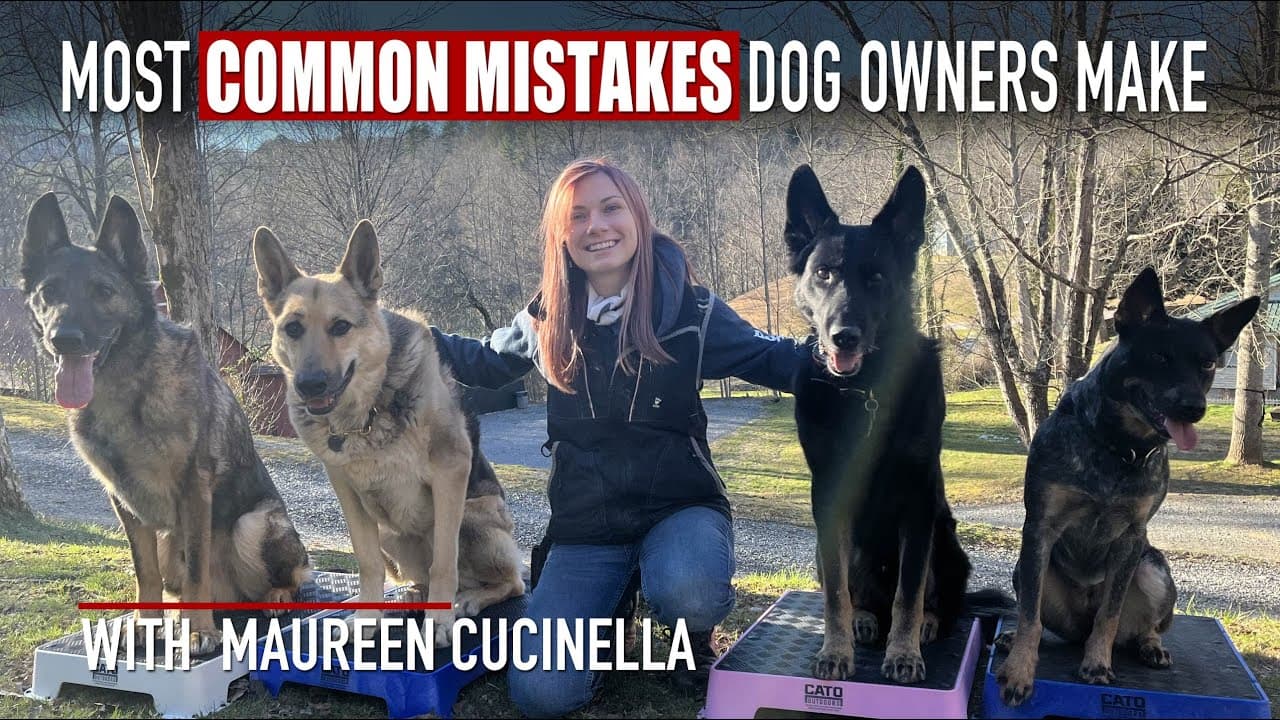
maureen cuccinello's journey as a dog trainer started at the young age of 16 when she brought home her very first german shepherd puppy eager to raise her new puppy properly she began to research how to train and effectively communicate with dogs training her personal dog sparked a passion for which she ended up turning into a career where she bega... Read More
Key Insights
- Choosing the wrong dog breed for a lifestyle is a common mistake among new dog owners.
- High-energy breeds require specific engagement and exercise to meet their needs.
- Training should focus on teamwork and not dominance to build a strong owner-dog relationship.
- Dogs need clear boundaries and consistent communication to understand expectations.
- Preventing unwanted behaviors is as important as training desired ones.
- Short, frequent training sessions are more effective than long, exhaustive ones.
- Pattern training can be beneficial if it helps establish positive habits.
- Owners should avoid overfeeding and encourage dogs to work for their food.
Install to Summarize YouTube Videos and Get Transcripts
Explore YouTube Video Summarizer or Get YouTube Transcript Extractor
Questions & Answers
Q: How to choose the right dog breed for your lifestyle?
Selecting the right dog breed involves researching breed characteristics and understanding your own lifestyle needs. Consider factors like energy level, exercise requirements, and temperament. High-energy breeds like German Shepherds or Australian Shepherds need active owners who can provide ample exercise and mental stimulation. Make sure the breed's needs align with your daily routine and living situation.
Q: What are the consequences of choosing the wrong dog breed?
Choosing the wrong dog breed can lead to unmet needs and behavioral issues such as anxiety, aggression, or destructive behavior. High-energy breeds require specific engagement and exercise, and failing to provide this can result in frustration for both the dog and owner. It's crucial to match a dog's characteristics with the owner's lifestyle to ensure a harmonious relationship.
Q: How can you meet a high-energy dog's needs?
Meeting a high-energy dog's needs involves providing ample exercise, mental stimulation, and engagement. Activities like frisbee, agility training, or scent work can channel their energy positively. Establishing a routine that includes structured play and training sessions helps fulfill their biological instincts and prevents boredom and destructive behavior.
Q: Why is teamwork important in dog training?
Teamwork in dog training fosters a strong relationship between the owner and the dog, emphasizing cooperation over dominance. It involves clear communication, mutual respect, and fulfilling the dog's needs. This approach builds trust and encourages the dog to follow commands willingly, resulting in a more harmonious and effective training experience.
Q: How to prevent unwanted dog behaviors?
Preventing unwanted behaviors involves consistent management and supervision. Use tools like crates, playpens, and leashes to control the environment. Redirect undesirable actions and reinforce positive behaviors through training and rewards. Establishing clear boundaries and routines helps the dog understand expectations and reduces the likelihood of developing bad habits.
Q: What are the benefits of short, frequent training sessions?
Short, frequent training sessions keep the dog engaged and prevent boredom. They allow for focused learning and help reinforce positive behaviors without overwhelming the dog. Ending sessions on a positive note ensures the dog remains interested and eager to train in the future. This approach is more effective than long, exhaustive sessions.
Q: How can pattern training benefit dogs?
Pattern training establishes predictable routines that help dogs understand expectations and develop good habits. For example, teaching a dog to sit before going through a door can prevent door darting. These patterns create a sense of security and consistency, making it easier for dogs to learn and follow commands in various situations.
Q: Why should dogs work for their food?
Encouraging dogs to work for their food prevents overfeeding and promotes engagement and mental stimulation. It helps establish a reward-based training system, where the dog associates positive behavior with earning food. This approach enhances the training process, reinforces desired behaviors, and prevents obesity and related health issues.
Summary & Key Takeaways
-
Selecting the wrong breed is a frequent mistake, often leading to unmet needs and behavioral issues. Owners should thoroughly research breed characteristics to ensure compatibility with their lifestyle.
-
Training should emphasize teamwork and fulfilling the dog's instincts. Positive reinforcement and clear boundaries are crucial for effective communication and behavior management.
-
Preventing unwanted behaviors through management techniques is essential. Short, frequent training sessions are more effective, and pattern training can help establish positive habits.
Read in Other Languages (beta)
Share This Summary 📚
Summarize YouTube Videos and Get Video Transcripts with 1-Click
Try YouTube Summary with ChatGPT & Claude or YouTube Transcript Generator
Explore More Summaries from Nate Schoemer 📚





Summarize YouTube Videos and Get Video Transcripts with 1-Click
Try YouTube Summary with ChatGPT & Claude or YouTube Transcript Generator