Day in the Life of a Typical Japanese Office Worker in Tokyo
TL;DR
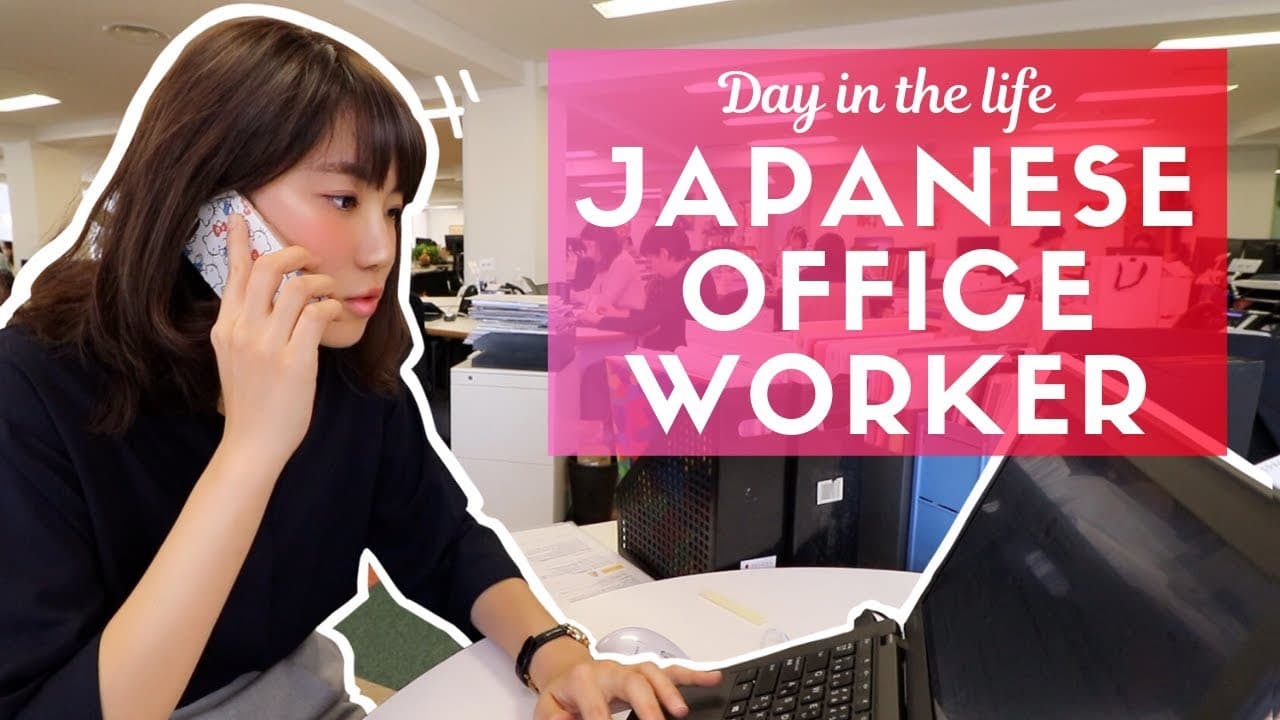
Emi, a 24-year-old Japanese woman working in Tokyo, takes us through her daily routine and gives us insights into the culture and practices of a Japanese office.
Transcript
So in this video I'm going to show you guys what it's like to work in a Japanese office. This is Emi, a 24 year old Japanese woman working in Tokyo, and she's just waking up. This is her morning routine - she doesn't take a shower to get ready for work, as some may assume. Like many Japanese, she prefers taking a bath in the evening before she goes... Read More
Key Insights
- 👹 Many Japanese people prefer bathing in the evening instead of taking a morning shower.
- 🧑💼 Japanese offices tend to have open and colorful layouts, unlike traditional office settings.
- ⌛ Commuting times in Tokyo can be long, with average train rides lasting 45 minutes to an hour.
- 🧑💼 Japanese office culture emphasizes respect, quietness, and dedication to work.
- 👹 Bringing back souvenirs from vacations is a common practice in Japanese offices.
- 🤗 The CEO of Emi's company sits in the center of the office, promoting accessibility and open communication.
- 🧑💼 Japanese offices may have on-site gyms and allow employees to work out during the day.
Install to Summarize YouTube Videos and Get Transcripts
Explore YouTube Video Summarizer or Get YouTube Transcript Extractor
Questions & Answers
Q: Do many Japanese people live with their families even after graduating from university?
Yes, it is common for Japanese individuals to continue living with their families even after completing their education.
Q: What is the atmosphere like in a Japanese office?
Japanese offices tend to be quiet and respectful, with minimal loud voices. This allows for a productive work environment. It is also common for people not to wear headphones.
Q: What is the purpose of the morning assembly meeting in Japanese offices?
The morning assembly meeting, called "chourei", serves as a way to share important company news from different departments and is equivalent to a company-wide email newsletter blast.
Q: Why do Japanese office workers bring back souvenirs from their vacations for their colleagues?
Bringing back souvenirs, known as "omiyage" in Japanese, is a way to show gratitude to colleagues for covering their work while they were away and to express appreciation for the opportunity to take a break.
Key Insights:
- Many Japanese people prefer bathing in the evening instead of taking a morning shower.
- Japanese offices tend to have open and colorful layouts, unlike traditional office settings.
- Commuting times in Tokyo can be long, with average train rides lasting 45 minutes to an hour.
- Japanese office culture emphasizes respect, quietness, and dedication to work.
- Bringing back souvenirs from vacations is a common practice in Japanese offices.
- The CEO of Emi's company sits in the center of the office, promoting accessibility and open communication.
- Japanese offices may have on-site gyms and allow employees to work out during the day.
- Japanese office cafeterias often provide discounts to employees and offer a variety of food options, including bakery items and traditional dishes.
Summary & Key Takeaways
-
Emi follows a morning routine that includes a bath instead of a shower and grabbing a small breakfast from a convenience store on her way to work.
-
She commutes by train, which takes about an hour, to her office located in Tokyo's premier business district.
-
Emi's office is open and colorful, different from traditional Japanese offices. She works in the PR department and starts her day by reading newspapers to stay updated on current events.
Read in Other Languages (beta)
Share This Summary 📚
Summarize YouTube Videos and Get Video Transcripts with 1-Click
Try YouTube Summary with ChatGPT & Claude or YouTube Transcript Generator
Explore More Summaries from Paolo fromTOKYO 📚





Summarize YouTube Videos and Get Video Transcripts with 1-Click
Try YouTube Summary with ChatGPT & Claude or YouTube Transcript Generator