What Is the Difference Between a Tidal Wave and a Tsunami?
TL;DR
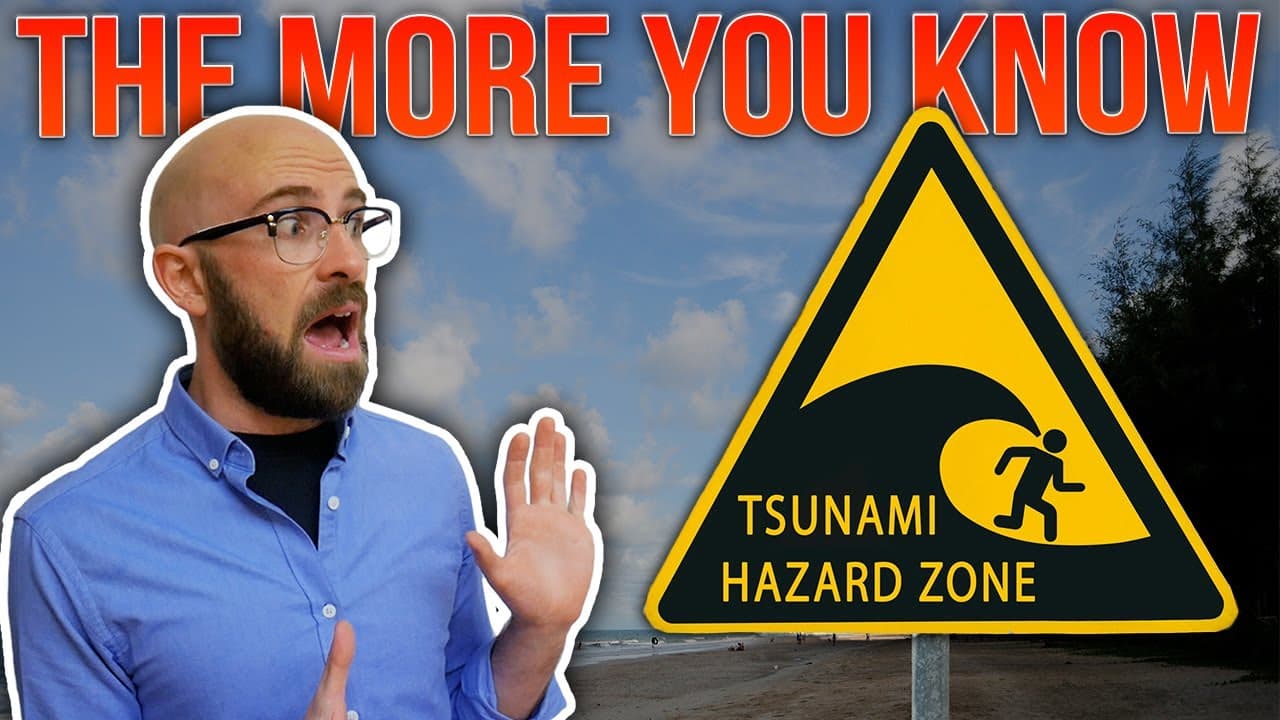
A tidal wave, or tidal bore, is caused by rapidly rising tides in specific locations and is much smaller than a tsunami, which results from underwater geological displacements. While tidal bores can occur in rivers and be surfed, tsunamis are larger and more destructive, as seen during events like the Tohoku disaster.
Transcript
fall is just around the corner and you know what that means busy schedules back to school chaos and the need for quicker delicious meals but fear not because I have the perfect solution to keep your taste buds happy and your tummy satisfied say hello to today's sponsor hellofresh they're here to save the day delivering delicious Chef crafted recipe... Read More
Key Insights
- 🐕🦺 HelloFresh offers a convenient meal kit delivery service that eliminates the need for meal planning and grocery shopping.
- ✊ The Tohoku earthquake and tsunami in Japan in 2011 caused significant damage and loss of life, as well as a radiological disaster at the Fukushima Daiichi nuclear power plant.
- 😮 Tidal bores, or tidal waves, are caused by rapidly rising tides and occur in specific locations, while tsunamis are caused by underwater geological displacements and occur in the open ocean.
- 🏄 Tidal bores are smaller and can be surfed, while tsunamis are much larger and more destructive.
- 💁 Tidal bores form during flood tide, while tsunamis can occur at any time due to underwater geological activity.
- 😋 Tidal bores can be a valuable part of the local ecosystem, stirring up sediment and providing food for predators and scavengers.
- 👯 Tidal bores can be dangerous and cause damage to infrastructure and endanger people along riverbanks.
Install to Summarize YouTube Videos and Get Transcripts
Explore YouTube Video Summarizer or Get YouTube Transcript Extractor
Questions & Answers
Q: What is the difference between tidal waves and tsunamis?
Tidal waves, or tidal bores, are caused by rapidly rising tides and occur in narrow bays and rivers. Tsunamis, on the other hand, are caused by underwater geological displacements and occur in the open ocean.
Q: How are tidal bores formed?
Tidal bores are formed when there is a rapid change in water level in the river mouth during flood tide. This causes a hydraulic jump, resulting in a wave that flows upstream against the river current.
Q: What are the conditions needed for tidal bore formation?
Tidal bores form in rivers that are relatively shallow, with a narrow mouth and a wide, flat estuary where it meets the ocean. The tidal range at the river mouth must be large, usually around 6 meters or more.
Q: Are tidal bores dangerous?
While tidal bores can be dangerous, reaching heights of up to 9 meters and speeds of up to 40 kilometers per hour, they are smaller and less destructive than tsunamis. Tidal bores can capsize ships, destroy infrastructure, and sweep people off riverbanks.
Summary & Key Takeaways
-
HelloFresh is a meal kit delivery service that offers convenient and delicious meal options, saving customers time on meal planning and grocery shopping.
-
The Tohoku earthquake and tsunami in Japan on March 11, 2011, caused significant damage and loss of life, including the meltdown of three reactors at the Fukushima Daiichi nuclear power plant.
-
Tidal bores, also known as tidal waves, are caused by rapidly rising tides in narrow bays and rivers, while tsunamis are caused by underwater geological displacements and occur in the open ocean.
Read in Other Languages (beta)
Share This Summary 📚
Summarize YouTube Videos and Get Video Transcripts with 1-Click
Try YouTube Summary with ChatGPT & Claude or YouTube Transcript Generator
Explore More Summaries from Today I Found Out 📚






Summarize YouTube Videos and Get Video Transcripts with 1-Click
Try YouTube Summary with ChatGPT & Claude or YouTube Transcript Generator