How Did State Responses to COVID-19 Vary?
TL;DR
The COVID-19 pandemic revealed significant differences in state responses, with factors like health equity, interpersonal trust, and political nuances playing critical roles. States like New Hampshire performed well due to strong vaccination strategies and community trust. Addressing disparities and fostering trust are crucial for future health crises.
Transcript
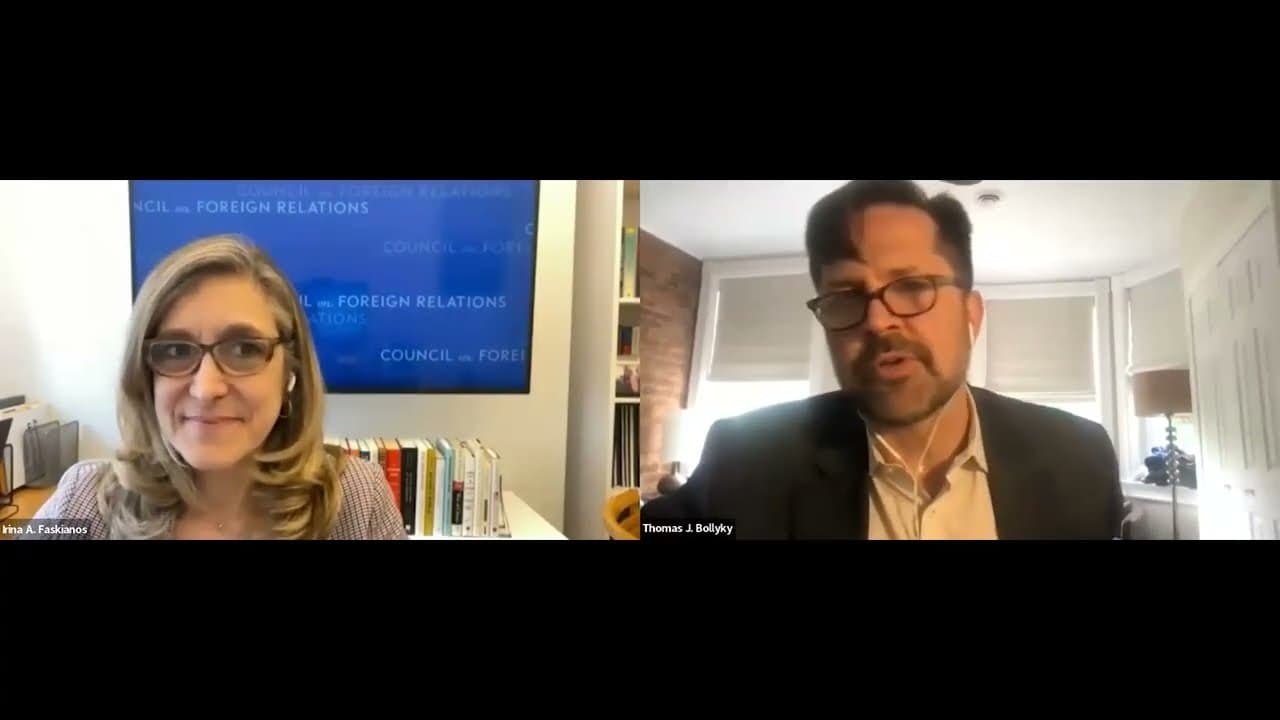
FASKIANOS: Thank you and welcome to the Council on Foreign Relations State and Local Officials Webinar. I’m Irina Faskianos, vice president for the National Program and Outreach here at CFR. We’re delighted to have participants from fifty-one states and U.S. territories for today’s conversation. Thank you for taking the time to join us for th... Read More
Key Insights
- Health equity, including socioeconomic and racial disparities, significantly influenced state COVID-19 outcomes.
- Interpersonal trust is crucial in public health responses; higher trust correlates with better health outcomes.
- Political affiliation of state leaders did not directly correlate with COVID-19 death rates.
- Vaccine mandates were most effective in reducing COVID-19 deaths, more so than other mandates.
- States with higher uninsured rates and lower educational attainment faced worse COVID-19 outcomes.
- Economic impacts of the pandemic were more related to population behavior than state mandates.
- Community engagement and local partnerships are vital for effective health crisis responses.
- Transparency and trust in communication are essential for maintaining public trust during health crises.
Install to Summarize YouTube Videos and Get Transcripts
Explore YouTube Video Summarizer or Get YouTube Transcript Extractor
Questions & Answers
Q: How did health equity affect state COVID-19 outcomes?
Health equity, including socioeconomic and racial disparities, played a significant role in state COVID-19 outcomes. States with lower educational attainment, limited access to high-quality healthcare, and higher poverty rates experienced higher infection and death rates. Addressing these disparities is crucial for improving future health crisis responses.
Q: What role did interpersonal trust play in state COVID-19 responses?
Interpersonal trust was a key factor in state COVID-19 responses. Higher levels of trust among community members correlated with higher vaccination rates and better adoption of health-protective behaviors, leading to improved health outcomes. Building and maintaining trust is essential for effective public health strategies.
Q: Did political affiliation influence state COVID-19 outcomes?
Political affiliation of state leaders did not directly correlate with COVID-19 death rates. Both Republican and Democratic-led states were among the top performers. However, political factors influenced health-protective behaviors and vaccination rates, highlighting the nuanced role of politics in pandemic responses.
Q: What was the impact of vaccine mandates on COVID-19 outcomes?
Vaccine mandates were the most effective in reducing COVID-19 deaths compared to other mandates. They had a significant impact on lowering mortality rates without negatively affecting state GDP or employment. This underscores the importance of vaccine mandates in managing pandemic health outcomes.
Q: How did economic factors influence state COVID-19 responses?
Economic impacts of the pandemic were more related to population behavior than state mandates. While mandates like restaurant closures affected specific sectors, overall economic activity shifted rather than declined. States with higher uninsured rates faced worse COVID-19 outcomes, emphasizing the need for accessible healthcare.
Q: What are the recommendations for improving future health crisis responses?
Recommendations include addressing health disparities, fostering interpersonal trust, and enhancing community engagement. Transparent communication and strong local partnerships are vital. States should also consider policies that expand healthcare access and support vulnerable populations to improve future health crisis outcomes.
Q: How can communication strategies impact public trust during health crises?
Transparent and detailed communication strategies help maintain public trust during health crises. Providing complete information about health measures and trusting the public to understand them are crucial. Effective communication can slow the erosion of trust and improve public adherence to health guidelines.
Q: What lessons can be learned from New Hampshire's COVID-19 response?
New Hampshire's success in managing COVID-19 was due to proactive vaccination strategies, addressing social vulnerabilities, and fostering community trust. The state's approach highlights the importance of targeted health interventions and strong partnerships between state and local entities for effective pandemic responses.
Summary & Key Takeaways
-
The COVID-19 pandemic highlighted the importance of health equity, interpersonal trust, and political nuances in state responses. States like New Hampshire succeeded by prioritizing vulnerable populations and fostering community trust. Future health crises require addressing disparities and enhancing trust to improve outcomes.
-
Interpersonal trust played a significant role in state COVID-19 responses, affecting vaccination rates and health behaviors. States with higher trust levels saw better outcomes, emphasizing the need for strong community relationships and transparent communication in public health strategies.
-
Vaccine mandates proved most effective in reducing COVID-19 deaths, while other mandates showed varying impacts on infections and economic factors. Addressing uninsured rates and educational disparities can improve state responses in future health emergencies.
Read in Other Languages (beta)
Share This Summary 📚
Summarize YouTube Videos and Get Video Transcripts with 1-Click
Try YouTube Summary with ChatGPT & Claude or YouTube Transcript Generator
Explore More Summaries from Council on Foreign Relations 📚


Summarize YouTube Videos and Get Video Transcripts with 1-Click
Try YouTube Summary with ChatGPT & Claude or YouTube Transcript Generator