How Officials are Responding to Immigration Influx in the United States
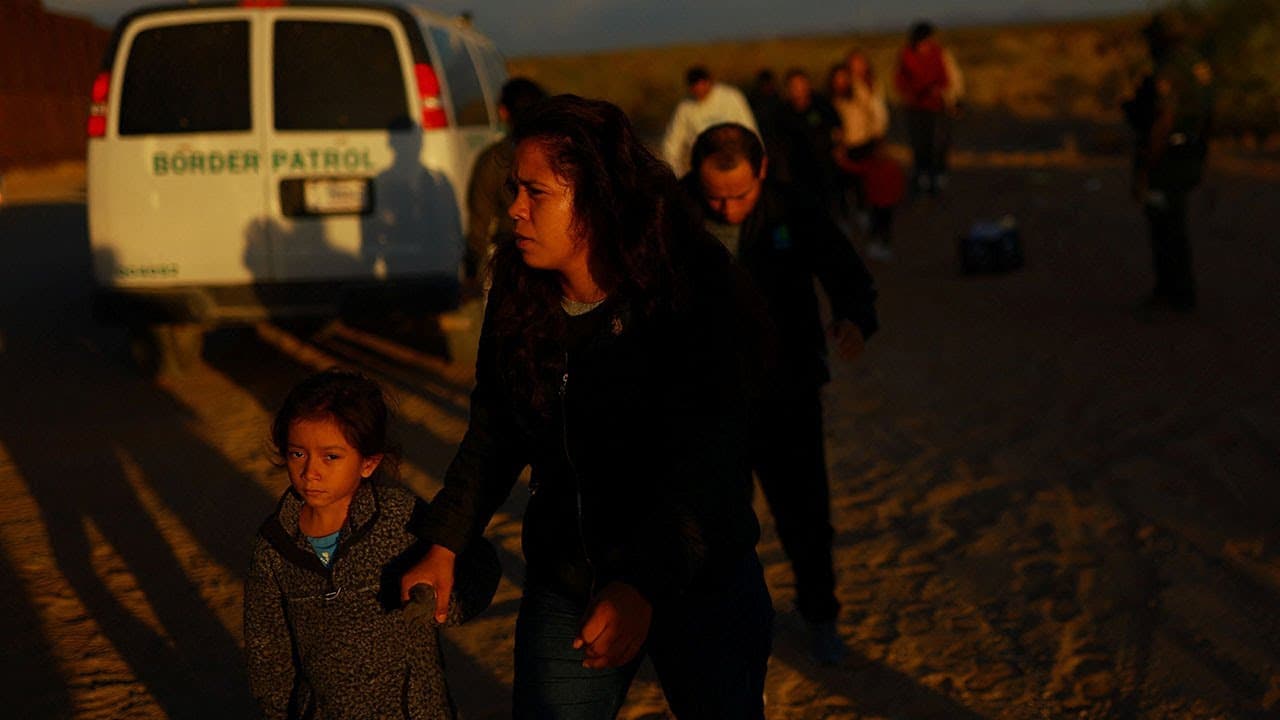
TL;DR
Discussion on U.S. immigration policy challenges and potential solutions.
Transcript
FASKIANOS: OK. Good afternoon and welcome to the Council on Foreign Relations State and Local Officials Webinar. I’m Irina Faskianos, vice president for the National Program and Outreach here at CFR. CFR is an independent and nonpartisan membership organization, think tank, and publisher focused on U.S. foreign policy. CFR is also the publish... Read More
Key Insights
- The U.S. immigration system has not seen major reform since the 1980s, despite several attempts at bipartisan legislation.
- The nature of migration at the U.S.-Mexico border has shifted from primarily Mexican economic migrants to diverse groups seeking asylum from various countries.
- The U.S. immigration infrastructure is overwhelmed, lacking the resources and legal frameworks to handle the current volume and nature of arrivals.
- Smuggling networks have become sophisticated and are now integrated with criminal cartels, exacerbating border management challenges.
- The U.S. faces a long-term demographic challenge, with future population growth expected to rely heavily on immigration.
- Foreign policy and international cooperation are crucial for addressing root causes of migration, but results are long-term and complex.
- Local and state governments bear the brunt of immigration impacts, necessitating federal support and resources.
- Congressional inaction on immigration reform has intensified the crisis, with the need for bipartisan solutions becoming more urgent.
Install to Summarize YouTube Videos and Get Transcripts
Explore YouTube Video Summarizer or Get YouTube Transcript Extractor
Questions & Answers
Q: What has hindered U.S. immigration reform since the 1980s?
U.S. immigration reform has been hindered by political polarization and the inability of Congress to reach bipartisan agreements. Despite several attempts, including efforts by Presidents Bush and Obama, comprehensive reform has failed due to disagreements between parties and within Congress. This has left the immigration system outdated and unable to address current challenges effectively.
Q: Why have encounters at the southwest border increased?
Encounters at the southwest border have increased due to various factors, including economic instability, violence, and political unrest in countries like Venezuela and Central America. Additionally, smuggling networks have become more sophisticated, exploiting desperate migrants and spreading misinformation. The U.S. immigration system's inability to quickly process and return individuals has also contributed to the rise in numbers.
Q: What role do smuggling networks play in current migration trends?
Smuggling networks play a significant role in current migration trends by facilitating the movement of people across borders for profit. These networks have become highly organized and are often linked to criminal cartels, making the journey more dangerous for migrants. They exploit migrants' desperation and spread misinformation to increase their clientele, further complicating border management efforts.
Q: How can foreign policy help address migration issues?
Foreign policy can help address migration issues by tackling root causes such as poverty, violence, and political instability in migrants' home countries. Long-term investments in development aid, governance, and security can improve conditions, reducing the need for people to migrate. However, aligning interests with other countries and ensuring effective implementation of aid programs are challenges that need to be addressed.
Q: What challenges do local governments face with immigration?
Local governments face challenges such as strained resources and services due to the influx of migrants. Many migrants lack family ties or support networks, increasing their reliance on local services for housing, food, and legal assistance. This places a financial and logistical burden on local governments, which often lack the necessary federal support to manage these challenges effectively.
Q: What is the impact of political polarization on immigration reform?
Political polarization has significantly impacted immigration reform by creating a deadlock in Congress, where bipartisan cooperation is essential for passing comprehensive legislation. This polarization has led to a lack of consensus on immigration policy, preventing necessary updates to the system and leaving it ill-equipped to handle current challenges. The inability to compromise has stalled meaningful progress.
Q: How does the U.S. compare to other countries in terms of immigration?
While the U.S. admits more immigrants than most countries in absolute numbers, it ranks lower in terms of immigration as a percentage of its population. Other countries, such as Canada, have more structured immigration systems and integrate immigrants more effectively. The U.S. lacks a formal integration policy, relying on community-level efforts, which can be insufficient for current migration volumes.
Q: What is the role of Congress in solving immigration issues?
Congress plays a crucial role in solving immigration issues by enacting legislation that addresses the current system's deficiencies. It is responsible for passing laws that allocate resources, update immigration policies, and provide a framework for managing migration effectively. Congressional inaction has exacerbated the crisis, highlighting the need for bipartisan cooperation to achieve meaningful reform.
Summary & Key Takeaways
-
The U.S. immigration system is under significant strain due to outdated policies and increasing numbers of asylum seekers from diverse countries. This has overwhelmed the existing infrastructure and resources, leading to calls for comprehensive reform.
-
Migration trends have shifted, with more people arriving from Central America, Venezuela, and other regions, driven by economic hardship, political instability, and violence. This has changed the dynamics at the U.S.-Mexico border, challenging traditional enforcement strategies.
-
Local and state governments are struggling to manage the influx of migrants, which is straining resources and services. There is a pressing need for federal support and a coordinated response to address both immediate and long-term immigration challenges.
Read in Other Languages (beta)
Share This Summary 📚
Summarize YouTube Videos and Get Video Transcripts with 1-Click
Try YouTube Summary with ChatGPT & Claude or YouTube Transcript Generator
Explore More Summaries from Council on Foreign Relations 📚


Summarize YouTube Videos and Get Video Transcripts with 1-Click
Try YouTube Summary with ChatGPT & Claude or YouTube Transcript Generator