How EVE Online's Mega Projects Impact Economy
TL;DR
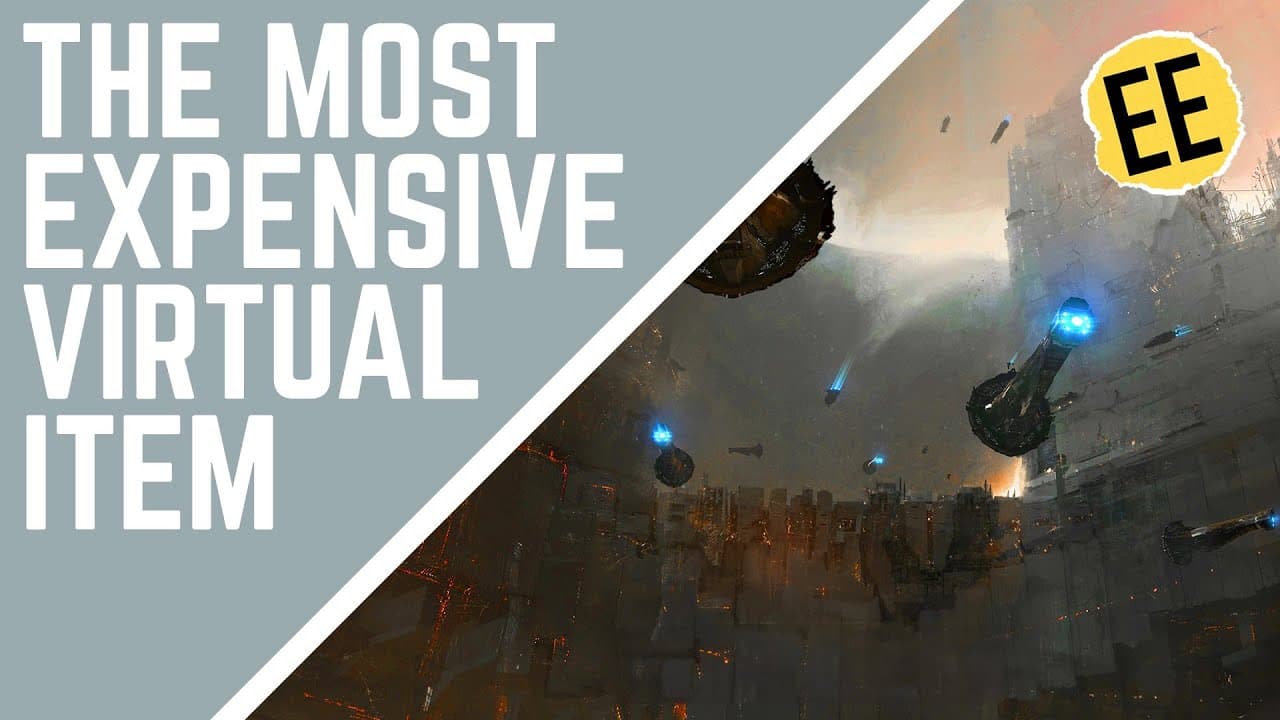
Titans, the largest ships in EVE Online, were once rare but are now mass-produced, affecting the in-game economy significantly. The Upwell Palatine Keepstar, a massive space station, remains unbuilt due to its colossal resource demands, illustrating the game's complex economic dynamics.
Transcript
welcome to the third part of a three-part series on the economy of EVE Online if you have not already played EVE Online or have not seen the first two videos in this series I would advise watching those first so you can get up to speed with the basics of the game and its ultra realistic virtual economy shameless plug / this is a Titan it is the big... Read More
Key Insights
- Titans in EVE Online are the largest player-controlled ships, initially rare but now mass-produced.
- The economic impact of building Titans is significant, involving hundreds of man-hours and vast resources.
- Modern production efficiency has reduced the cost of Titans, making them more accessible.
- The Upwell Palatine Keepstar is a hypothetical project requiring immense resources, illustrating extreme economic challenges.
- Building a Keepstar would require nearly a million man-hours of resource gathering.
- The Keepstar project would drain the in-game market supply multiple times over.
- The Keepstar's estimated cost is 300 trillion ISK, equivalent to 2.4 million USD, making it the most expensive virtual item.
- EVE's economy mirrors real-world economics, with inflation and industrial scaling affecting production costs.
Install to Summarize YouTube Videos and Get Transcripts
Explore YouTube Video Summarizer or Get YouTube Transcript Extractor
Questions & Answers
Q: How are Titans produced in EVE Online?
Titans, the largest ships in EVE Online, are produced through extensive player collaboration, requiring hundreds of man-hours and vast amounts of virtual resources. Initially rare, Titans are now mass-produced by player coalitions, illustrating the game's industrial scaling and economic complexity.
Q: What is the economic impact of building Titans in EVE Online?
Building Titans significantly impacts EVE Online's economy, involving extensive resources and time. Initially, a Titan's production was a monumental task, but modern efficiencies have reduced costs. Titans now represent a smaller percentage of economic output, reflecting industrial advancements and inflation adjustments in the game.
Q: What is the Upwell Palatine Keepstar in EVE Online?
The Upwell Palatine Keepstar is a hypothetical space station in EVE Online, representing the game's largest construction challenge. Its immense resource demands and production complexity make it unbuilt, serving as an example of the extreme economic challenges and collaborative efforts required in the game's virtual economy.
Q: Why is the Upwell Palatine Keepstar considered expensive?
The Upwell Palatine Keepstar is considered expensive due to its colossal resource requirements and production complexity. Estimated to cost 300 trillion ISK, or 2.4 million USD, it would be the most expensive virtual item, highlighting the extreme economic challenges and collaborative efforts needed in EVE Online.
Q: How does EVE Online's economy mirror real-world economics?
EVE Online's economy mirrors real-world economics through principles like inflation, industrial scaling, and resource management. The game's complex economic dynamics are exemplified by the production of Titans and the hypothetical Keepstar project, showcasing the intricate balance of resources and player collaboration.
Q: What challenges are involved in building a Keepstar in EVE Online?
Building a Keepstar in EVE Online involves immense challenges, requiring nearly a million man-hours for resource gathering and potentially costing 300 trillion ISK. The project would drain the in-game market supply multiple times, highlighting the extreme economic challenges and collaborative efforts needed in the game's economy.
Q: How have production efficiencies affected Titan costs in EVE Online?
Production efficiencies in EVE Online have significantly reduced Titan costs, making them more accessible to players. Initially, Titans were rare and expensive, but advancements in production techniques and industrial scaling have lowered costs, reflecting the game's evolving economy and resource management strategies.
Q: What role do player coalitions play in EVE Online's economy?
Player coalitions play a crucial role in EVE Online's economy, driving the mass production of ships like Titans. These coalitions manage extensive resource gathering and production efforts, illustrating the game's collaborative dynamics and industrial scaling, which significantly impact the virtual economy and its complex interactions.
Summary & Key Takeaways
-
Titans, once rare in EVE Online, are now mass-produced by player coalitions, significantly impacting the game's economy. Their production requires extensive resources and time, but modern efficiencies have reduced costs. Titans now represent a smaller percentage of economic output compared to their introduction.
-
The Upwell Palatine Keepstar, a massive space station, remains unbuilt due to its immense resource demands. It highlights the extreme economic challenges within EVE Online, requiring close to a million man-hours for resource gathering and potentially costing 300 trillion ISK, or 2.4 million USD.
-
EVE Online's economy reflects real-world economic principles, with inflation and industrial scaling affecting production costs. The game's complex economic dynamics are exemplified by the challenges of producing Titans and the hypothetical Keepstar project, showcasing the intricate balance of resources and player collaboration.
Read in Other Languages (beta)
Share This Summary 📚
Summarize YouTube Videos and Get Video Transcripts with 1-Click
Try YouTube Summary with ChatGPT & Claude or YouTube Transcript Generator
Explore More Summaries from Economics Explained 📚






Summarize YouTube Videos and Get Video Transcripts with 1-Click
Try YouTube Summary with ChatGPT & Claude or YouTube Transcript Generator